

Aquaculture: Fish Farming, Aquascaping & Koi Ponds
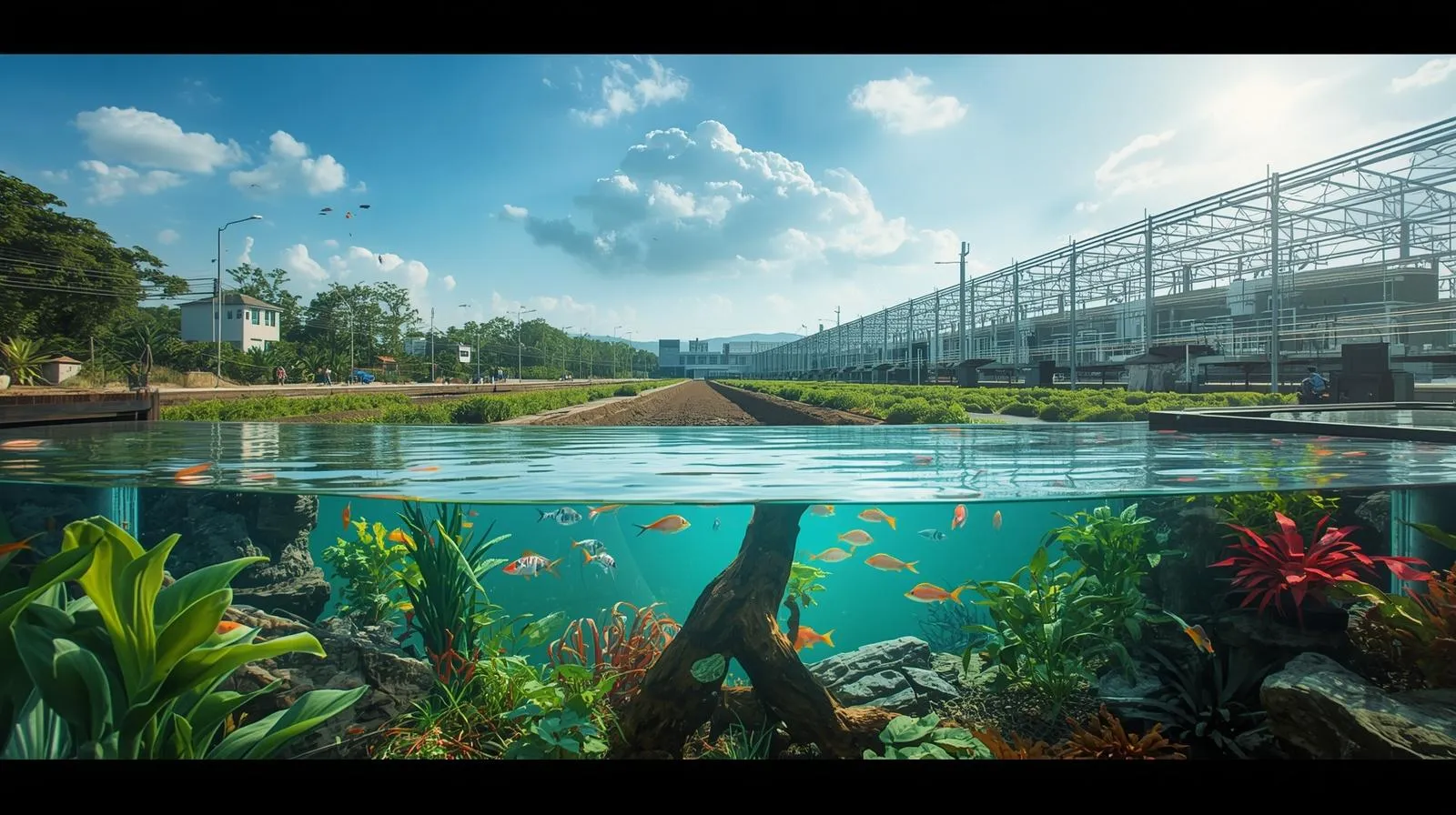
Aquaculture: From Aquariums to Commercial Fish Farming
Many people first discover aquaculture through a small aquarium at home. They learn how to care for fish, keep water clean, and create a healthy environment inside a tank. What starts as a simple hobby often becomes a deeper interest in how aquatic life grows and survives.
Aquaculture is the practice of raising fish, shellfish, and other aquatic species in managed environments. These environments can range from small indoor systems to large outdoor ponds and commercial production facilities. No matter the size, every successful operation depends on the same basic principle: healthy water supports healthy aquatic life.
The journey usually begins with simple observation. Fish need clean water, stable temperatures, proper oxygen levels, and balanced conditions to grow. Hobbyists quickly learn that water is not just a place where fish live—it is the entire environment that determines their health and survival.
As knowledge grows, many enthusiasts move beyond decorative aquariums and experiment with larger systems at home. Some raise fish in backyard tanks, while others combine fish production with vegetable growing. These smaller projects help people gain practical experience before making larger investments.
The next step requires a different mindset. Commercial fish farming focuses on production, efficiency, and long-term sustainability. Farmers must monitor water conditions closely, manage feeding programs, protect stock from disease, and maintain consistent growth throughout the production cycle. Every decision affects both fish health and business performance.
Today, aquaculture includes a wide range of production methods. Some farms use earthen ponds, while others operate tanks that continuously clean and reuse water. Certain systems support high fish densities, while others rely on natural water bodies such as lakes or coastal areas. Each approach serves different species, climates, and market needs.
Despite these differences, the foundation remains the same. The skills learned in a home aquarium, such as water quality management, fish care, biological balance, and daily observation are the same skills used across the aquaculture industry. The scale changes, but the principles do not.
This connection between the hobbyist, the small-scale producer, and the commercial farmer is what makes aquaculture unique. Every stage builds on the one before it, creating a path that can begin with a single aquarium and grow into a full-scale food production enterprise.
What Is Aquaculture?
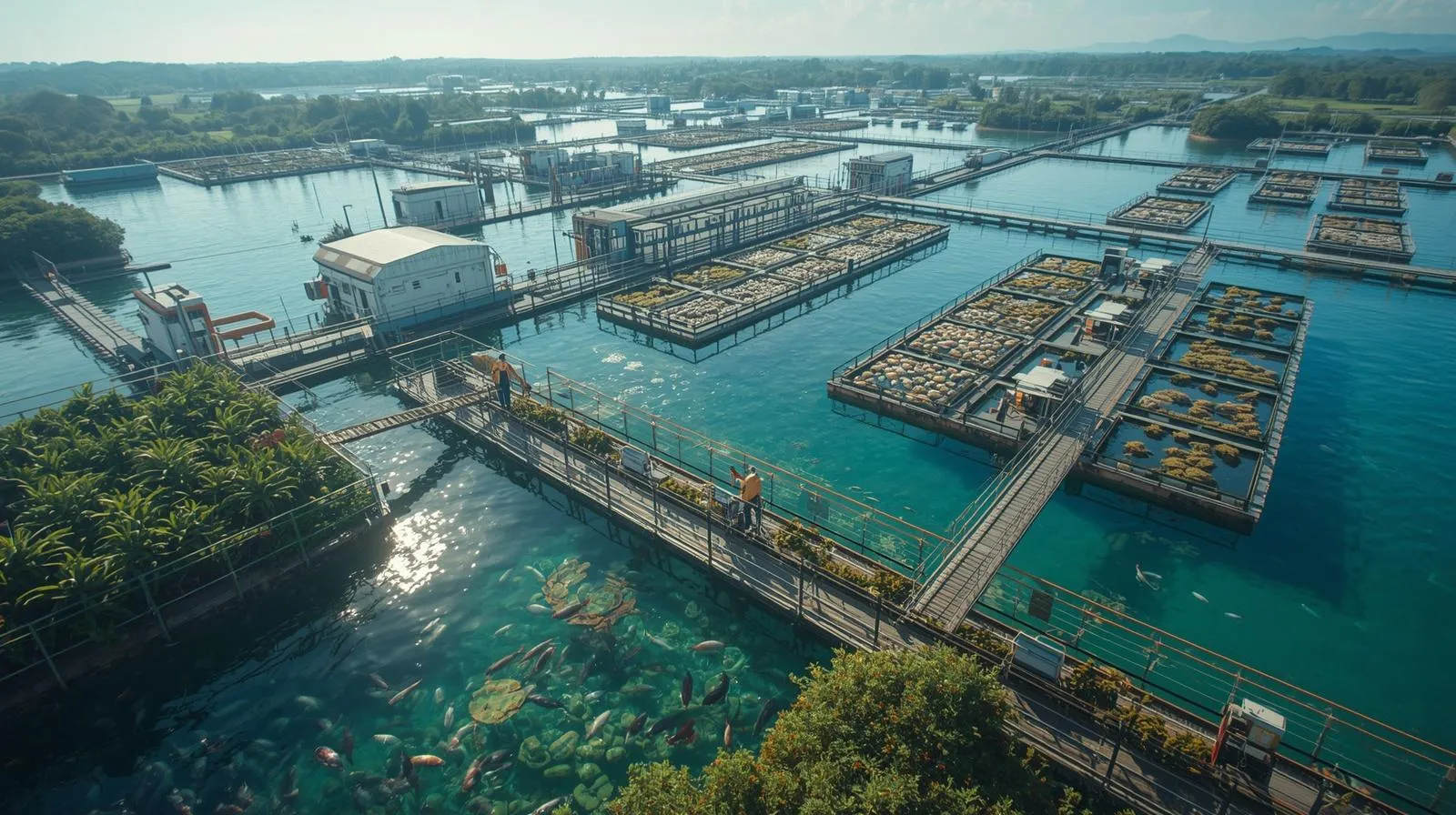
Aquaculture is the practice of raising aquatic plants and animals in managed water environments. People grow fish, shellfish, seaweed, and other aquatic species in both freshwater and saltwater systems. In many ways, it works like farming on land. The difference is that the crops and livestock grow in water instead of fields or pastures.
Today, aquaculture supports communities, businesses, and food systems around the world. It takes place in ponds, tanks, lakes, rivers, coastal waters, and offshore environments. From small family operations to large production facilities, aquaculture plays an important role in supplying aquatic products for everyday use.
At its core, aquaculture involves the breeding, growing, and harvesting of aquatic organisms under controlled conditions. Farmers manage water quality, feeding programs, growth rates, and overall health to create stable environments where aquatic life can thrive.
Aquaculture includes many different species. Fish remain the most common, but the industry also produces shrimp, oysters, mussels, clams, seaweed, algae, and other aquatic resources. Some systems focus on food production, while others support conservation programs, research projects, and ornamental species.
Want to learn more about aquaculture?
Explore different farming methods, aquatic species, and water management practices to build a stronger understanding before starting your own aquaculture journey.
Why Aquaculture Matters Today
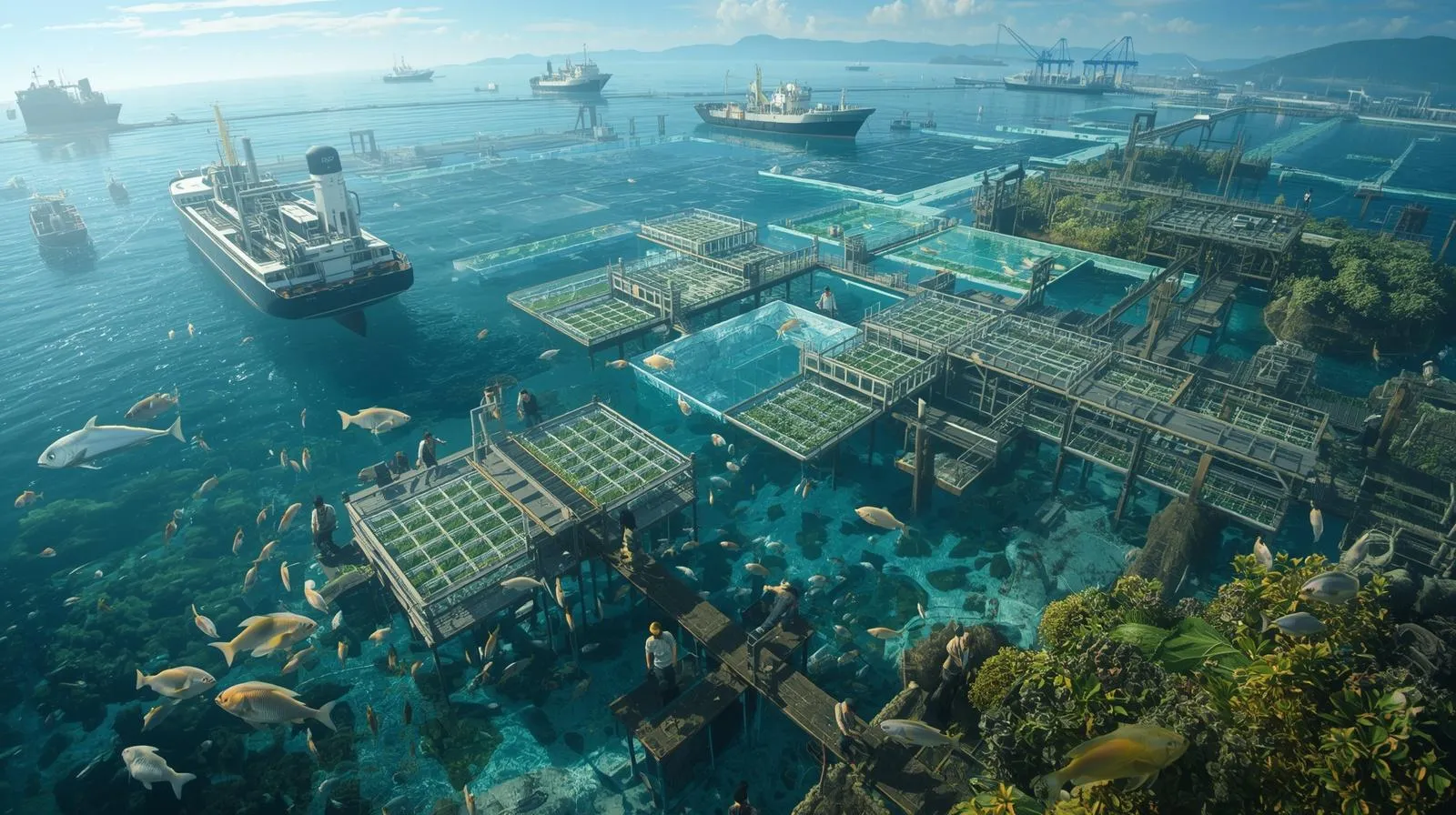
As the global population continues to grow, the demand for seafood grows with it. Aquaculture helps meet this demand by providing a reliable source of aquatic protein. Today, farm-raised seafood supplies more than half of the seafood consumed worldwide, making aquaculture one of the most important food-producing sectors in the world.
Its value extends beyond food production. Many aquatic plants are used in health products, biotechnology research, renewable energy development, and industrial applications. Seaweed and algae, for example, contribute to products used in medicine, food processing, and sustainable manufacturing.
Aquaculture also supports conservation efforts. Responsible farming practices can help reduce harvesting pressure on wild fish populations and support programs that rebuild threatened aquatic species.
Aquaculture vs Wild Fishing
| Aspect | Aquaculture | Wild Fishing |
| Where it happens | In managed water environments | In natural oceans, rivers, and lakes |
| How it works | Farmers raise fish and other aquatic species under controlled conditions | Fishers catch fish and other aquatic species from the wild |
| Water control | Water quality is monitored and managed | Water conditions depend on nature |
| Feeding | Feeding schedules are planned | Fish feed naturally in the wild |
| Stock control | Stocking levels are managed | Fish numbers depend on natural populations |
| Health care | Animal health is checked during the full cycle | Fish health cannot be controlled in the same way |
| Supply | Seafood can be produced all year | Catch depends on seasons and natural limits |
| Consistency | More stable and predictable | Less stable because it depends on the weather and fish movement |
| Main role | Helps meet growing seafood demand | Adds seafood from natural waters |
Understanding Aquaculture at Every Scale
Aquaculture works at many different levels. Some people raise fish in a small backyard tank, while others manage large production systems that supply seafood to national and international markets. No matter the size, every operation depends on the same essentials: clean water, healthy stock, proper feeding, and daily management.
The scale may change, but the goal remains the same—to create the right conditions for aquatic life to grow and thrive. From hobby aquariums to large commercial farms, aquaculture connects people to water, food production, and aquatic ecosystems.
Hobby Aquariums
For many people, the journey begins with a home aquarium. A small tank teaches important lessons about water quality, fish behavior, filtration, and biological balance. Hobbyists learn how temperature, oxygen levels, and water chemistry affect aquatic life every day.
Keeping an aquarium also develops observation skills. Small changes in fish activity, feeding habits, or water clarity often provide early signs of problems. These lessons build a strong foundation for anyone interested in larger aquaculture systems later on.
Many successful fish farmers first gained experience through aquariums because they learned how to maintain healthy environments before working with larger volumes of water and higher fish populations.
Aquascaping and Ornamental Fish Keeping
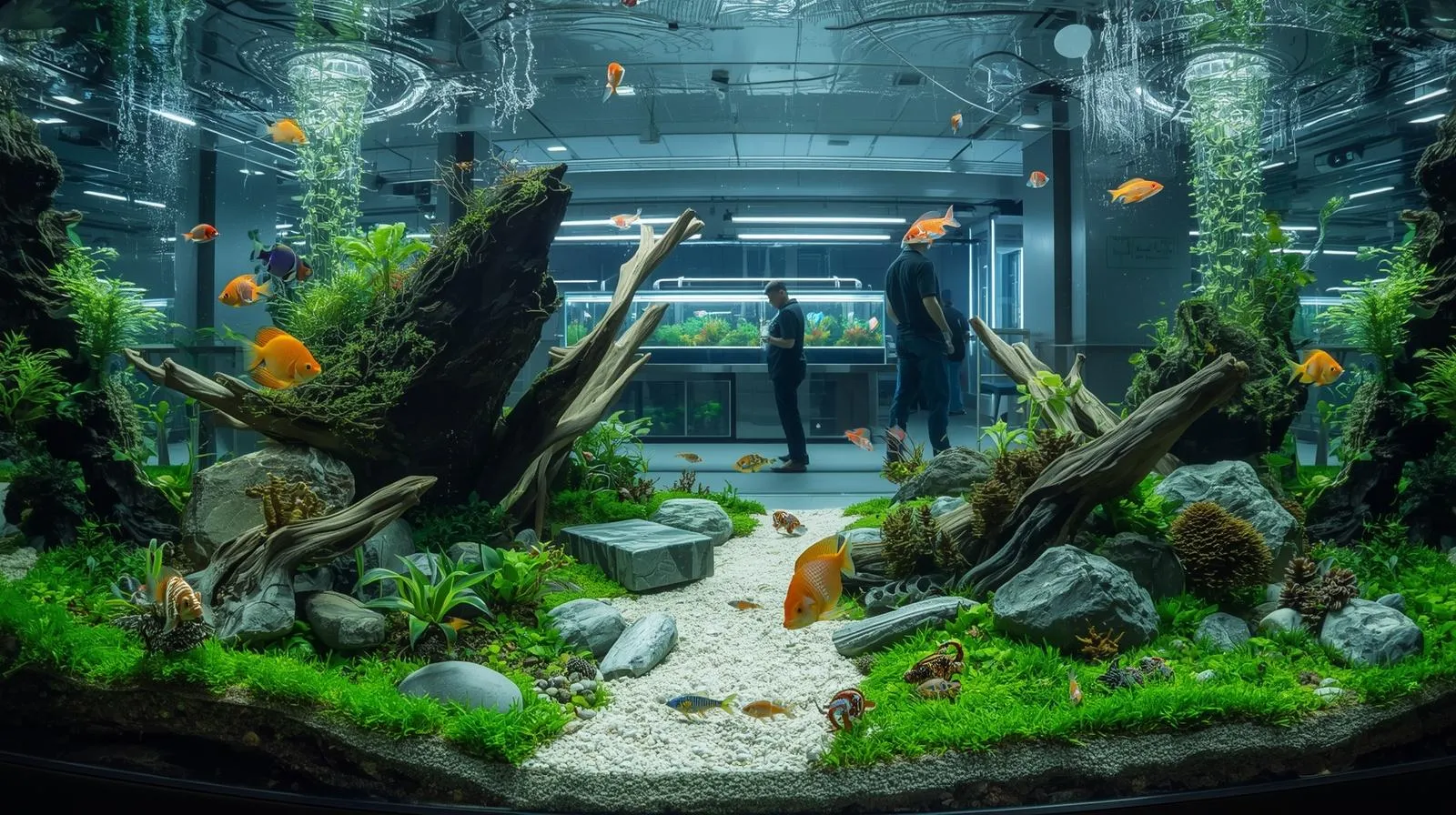
Some aquarium enthusiasts move beyond basic fishkeeping and focus on creating underwater landscapes. This practice combines aquatic plants, decorative materials, and ornamental fish to create visually balanced environments.
Ornamental fish keeping supports a large part of the aquaculture sector. Species raised for home aquariums and decorative ponds are bred, transported, and sold through specialized production networks around the world.
Aquatic plants, colorful fish, freshwater shrimp, snails, and other ornamental species all play a role in this segment of aquaculture. While appearance is important, successful ornamental systems still depend on the same principles used throughout the industry: stable water quality, healthy stock, and responsible care.
Commercial Aquaculture Operations
As production expands, aquaculture becomes a structured business. Commercial operations focus on producing seafood for markets, restaurants, processors, and distributors. These systems require careful planning, consistent management, and strong biosecurity practices.
Farmers use different production methods depending on the species and environment. Some rely on earthen ponds, while others use floating cages, flow-through systems, or recirculating systems that clean and reuse water. Each system offers different levels of control, efficiency, and production capacity.
Commercial farms often raise species such as tilapia, catfish, trout, salmon, shrimp, oysters, and mussels. Operators monitor water conditions closely, manage feeding schedules, and track growth throughout the production cycle.
At the largest scale, aquaculture becomes part of global supply chains. Hatcheries, grow-out facilities, processing centers, and distribution networks work together to supply seafood to consumers around the world. Even at this level, success still depends on the same principles learned in a small aquarium: healthy water, healthy animals, and careful daily management.
Ready to move beyond the basics?
The right knowledge and practical experience can help you choose an aquaculture system that matches your goals, available space, and budget.
The Science Behind Successful Aquaculture
Every successful aquaculture system depends on science. Fish, shellfish, and aquatic plants need stable conditions to grow, stay healthy, and reach their full potential. Farmers must understand how water works, how aquatic species respond to their environment, and how different systems support growth.
While equipment and production methods may vary, the basic goal remains the same: create a balanced environment where aquatic life can thrive. Good water quality, proper filtration, healthy nutrition, and careful monitoring all play an important role in daily operations.
Water Quality Management
Water is the most important resource in aquaculture. Fish and other aquatic species live, feed, breathe, and grow in it every day. Even small changes in water conditions can affect growth, health, and survival.
Successful farms monitor water quality throughout the production cycle. They check water clarity, waste levels, oxygen availability, and other environmental conditions to reduce stress and maintain healthy stock. Clean and stable water helps aquatic species grow faster and lowers the risk of disease outbreaks.
Whether production takes place in a small tank, a pond, or a large commercial facility, water management remains the foundation of every aquaculture system.
The Nitrogen Cycle Explained
The nitrogen cycle is one of the most important natural processes in aquaculture. Fish release waste into the water, which creates ammonia. Ammonia can become harmful when it builds up in high amounts.
Helpful bacteria naturally break this waste down through a series of biological steps. First, they convert ammonia into nitrite. Then, another group of bacteria changes nitrite into nitrate, which is much less harmful to aquatic life.
This process helps keep water safe and stable. Without it, waste would quickly accumulate and create unhealthy conditions. Every successful aquaculture system depends on this natural cycle to support long-term water quality.
Biological Filtration
Biological filtration supports the nitrogen cycle by providing a home for beneficial bacteria. These bacteria live on filter materials and other surfaces inside the system.
As water moves through the filtration process, the bacteria help remove harmful waste compounds before they reach dangerous levels. This natural cleaning process improves water quality and creates a healthier environment for fish and shellfish.
Many modern production systems use advanced filtration methods that continuously clean and reuse water. These systems reduce water consumption while maintaining stable growing conditions throughout the year.
Oxygen, pH, and Temperature Control
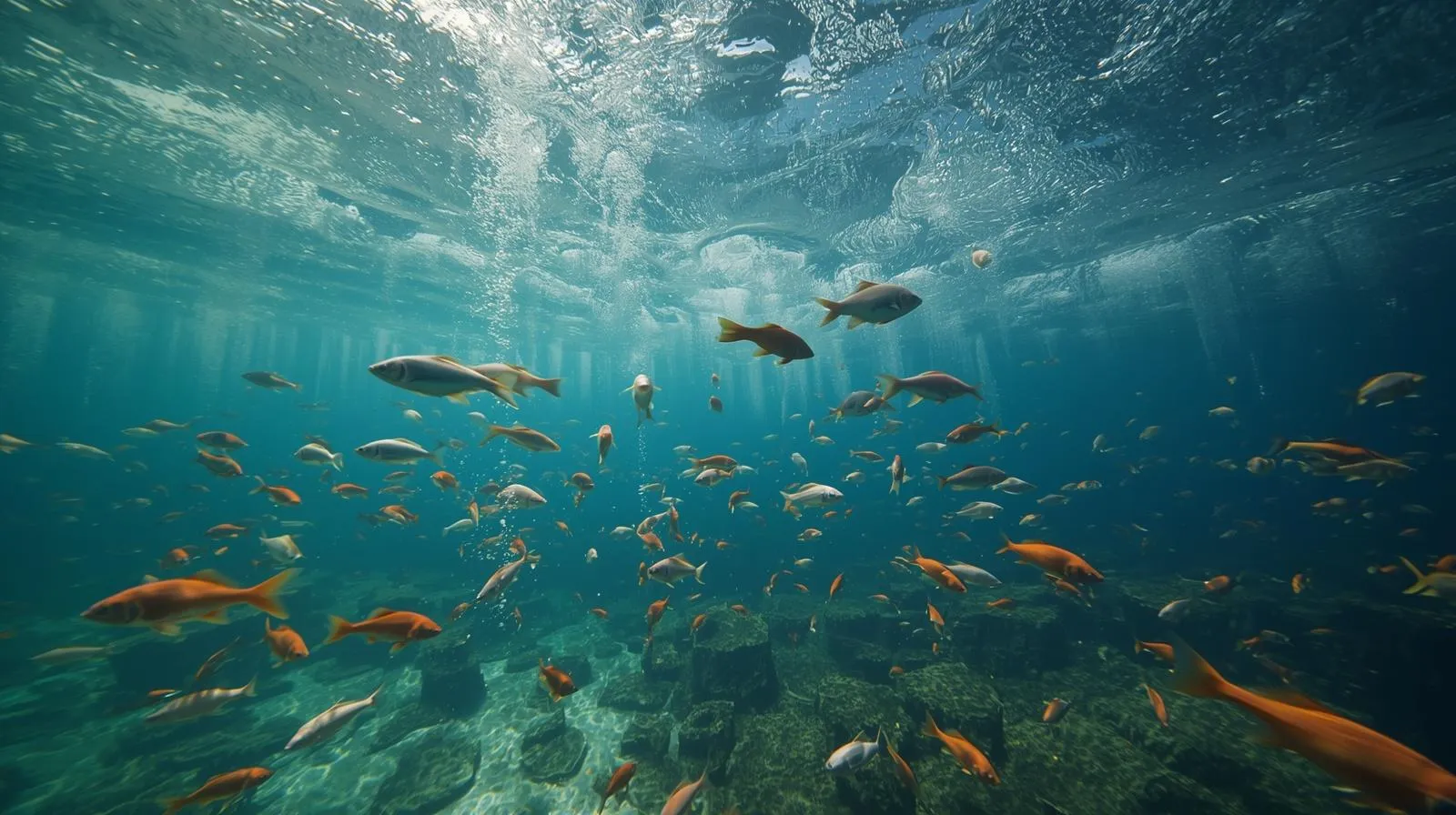
Fish rely on dissolved oxygen in the water to breathe. When oxygen levels drop, fish become stressed, eat less, and grow more slowly. Farmers often use aeration systems to keep oxygen levels within a healthy range.
pH also affects aquatic health. Water that becomes too acidic or too alkaline can create stress and interfere with normal biological functions. Regular monitoring helps maintain balance and prevents sudden changes.
Temperature is another key factor. Different species thrive within specific temperature ranges. Tilapia prefer warmer water, while species such as trout perform better in cooler environments. Stable temperatures support feeding activity, growth, and overall health.
When oxygen, pH, and temperature remain balanced, aquatic species can use energy more efficiently, resist stress, and achieve better growth throughout the production cycle.
Strong water management creates healthy aquaculture systems.
Keep learning about filtration, water quality, and fish health to improve growth, reduce losses, and support long-term success.
Types of Aquaculture Systems
Aquaculture takes place in many different environments. Some systems use natural water bodies, while others operate in carefully managed tanks on land. The right system depends on the species being raised, the available water source, local conditions, and production goals.
Each method offers different levels of control, efficiency, and investment. Some focus on simplicity and lower costs, while others provide greater control over water quality and fish health.
Pond Culture
Pond culture is one of the oldest and most widely used forms of aquaculture. Farmers create large earthen ponds where fish grow in a semi-natural environment. These ponds support aquatic life by providing space, natural food sources, and stable growing conditions.
Many freshwater species perform well in pond systems, including tilapia, catfish, and carp. Because stocking levels are often lower than in intensive systems, fish experience less stress and fewer health problems.
Pond culture remains popular because it is relatively simple to manage. However, it requires significant land space and depends heavily on weather conditions, water availability, and environmental changes.
Cage Culture
Cage culture uses mesh enclosures placed in lakes, reservoirs, rivers, or coastal waters. These cages allow water to flow freely through the system while keeping fish contained within a defined area.
Natural water movement continuously supplies oxygen and helps remove waste. This reduces the need for complex filtration equipment and makes cage culture a cost-effective option for many producers.
Species such as salmon, sea bass, and mussels are commonly raised in cage systems. While this method supports efficient production, operators must carefully manage environmental impacts, fish health, and interactions with surrounding ecosystems.
Recirculating Aquaculture Systems (RAS)
Recirculating Aquaculture Systems, often called RAS, use tanks and advanced filtration equipment to clean and reuse water throughout the production cycle. Instead of constantly replacing water, the system removes waste and returns treated water back to the growing tanks.
Mechanical filtration captures solid waste, while biological filtration helps maintain water quality by supporting beneficial bacteria. This approach gives farmers greater control over temperature, water chemistry, and biosecurity.
RAS systems can operate in areas with limited water resources because they use water efficiently. They are commonly used for trout, shrimp, and ornamental fish production. Although these systems offer excellent control, they require higher investment and ongoing operational management.
Aquaponics Systems
Aquaponics combines fish farming with plant production in a single connected system. Fish release nutrients into the water, and those nutrients support the growth of vegetables and herbs. The plants then help clean the water before it returns to the fish tanks.
This natural cycle creates a productive use of resources while reducing water consumption. Many small-scale producers use aquaponics to grow crops such as lettuce, basil, and tomatoes alongside fish.
Aquaponics demonstrates how aquaculture and agriculture can work together to produce food within the same system.
Offshore Aquaculture
Offshore aquaculture takes place in deeper coastal and ocean waters away from the shoreline. Farmers use large cages and marine structures designed to operate in open-water environments.
These locations often provide stronger water movement, which improves oxygen exchange and helps disperse waste naturally. Offshore systems can support larger production volumes while reducing pressure on nearshore environments.
Marine species such as salmon and other finfish are commonly raised in offshore operations. Successful management requires careful planning, specialized equipment, and continuous monitoring of ocean conditions.
Shrimp Farming Systems
Shrimp farming is one of the most important sectors within global aquaculture. Producers raise shrimp in ponds, tanks, and intensive production systems designed to support fast growth and efficient harvesting.
Water quality management plays a major role in shrimp production because shrimp are sensitive to environmental changes. Farmers closely monitor oxygen levels, temperature, and water conditions throughout the growing cycle.
Modern shrimp farms often use improved filtration, biosecurity measures, and controlled production practices to maintain healthy stock and support consistent harvests. As global demand for shrimp continues to grow, this sector remains an important part of the aquaculture industry.
Every aquaculture system offers different advantages.
Compare your options carefully before choosing the one that best fits your species, production goals, and available resources.
Aquarium Keeping: The First Step into Aquaculture
Many people enter the world of aquaculture through a home aquarium. A fish tank may look simple, but it teaches the same basic skills used in larger aquaculture systems. Every aquarium needs clean water, healthy fish, proper filtration, and regular care.
Looking after an aquarium also helps people understand how aquatic ecosystems work. As experience grows, many hobbyists become interested in fish breeding, water management, and larger production systems. This makes aquarium keeping an excellent starting point for anyone who wants to learn more about aquaculture.
Freshwater Aquariums
Freshwater aquariums are often the first choice for beginners because they are easier to manage than many other aquarium systems. They provide a practical way to learn about water quality, biological filtration, fish nutrition, and routine maintenance.
A larger aquarium usually creates more stable water conditions than a very small tank. Stable water makes it easier to manage changes in temperature, pH, and waste levels while reducing stress on fish.
Before adding fish, the aquarium should complete the nitrogen cycle. This process allows beneficial bacteria to grow naturally and build a healthy biological filter. Regular water testing and proper filtration help maintain safe conditions as the aquarium matures.
Saltwater Reef Tanks
Saltwater reef tanks create a more complex aquatic environment. Along with fish, they often include corals, marine invertebrates, and other reef organisms that depend on stable water conditions.
These systems require close attention to salinity, temperature, pH, and water quality. Small changes can affect the health of the entire aquarium. Regular monitoring and careful maintenance help create a balanced environment where marine species can grow and thrive.
Many of the skills learned from managing a reef tank, including water testing, filtration, and environmental control, also apply to commercial aquaculture systems.
Benefits of Fishkeeping
Fishkeeping offers much more than an enjoyable hobby. It teaches responsibility, patience, and daily observation while helping people understand aquatic life more closely.
Keeping fish also builds practical knowledge of water chemistry, biological filtration, feeding schedules, and fish behavior. These skills form the foundation of aquaculture and prepare hobbyists for larger projects such as fish breeding, aquaponics, or small-scale fish farming.
As confidence grows, many people begin raising fish fry, improving water management, or exploring sustainable food production through aquaculture.
Common Beginner Mistakes
Most beginners make a few common mistakes during their first aquarium setup. One of the biggest is adding fish before the biological filter is fully established. Without beneficial bacteria, harmful waste can build up quickly and affect fish health.
Overfeeding is another common problem. Uneaten food increases waste and reduces water quality. Skipping regular water tests or ignoring changes in fish behavior can also lead to avoidable problems.
Successful aquarium keeping depends on patience and consistent care. Regular maintenance, stable water conditions, proper filtration, and careful observation create a healthy environment that supports fish throughout every stage of growth.
Aquascaping: The Art of Underwater Landscaping
Aquascaping turns a simple aquarium into a living underwater landscape. Instead of focusing only on fish, it combines aquatic plants, rocks, driftwood, and other natural materials to create scenes inspired by nature. Every element works together to form a balanced environment that looks beautiful and supports healthy aquatic life.
A successful aquascape combines creativity with proper aquarium care. Healthy plants, clean water, good lighting, and regular maintenance all help create an underwater ecosystem that continues to grow over time.
Who Was Takashi Amano?
Takashi Amano was a Japanese photographer, nature lover, and aquascaping designer who changed the way people viewed planted aquariums. He introduced the idea of creating aquariums that reflected natural landscapes instead of simple decorative fish tanks.
His work encouraged hobbyists to study rivers, forests, mountains, and wetlands before designing an aquarium. By using natural layouts and living plants, he inspired aquascapers around the world to create peaceful and balanced underwater environments.
Today, many modern aquascaping ideas continue to follow the natural design principles he introduced.
Popular Aquascaping Styles
Aquascaping includes many design styles, each with its own appearance and layout. While every style looks different, they all depend on healthy plants, stable water quality, and thoughtful planning.
Nature Aquarium Style
The Nature Aquarium Style recreates natural landscapes inside an aquarium. It often reflects forests, valleys, rivers, or mountain scenery by combining plants, rocks, and driftwood in a balanced way.
This style values open space, natural flow, and an organic appearance rather than perfect symmetry. Fish support the overall scene instead of becoming the main attraction.
Iwagumi Style
Iwagumi is a simple and peaceful style that uses carefully arranged rocks as the main design feature. Aquatic plants remain low and create a green carpet around the stones.
Every rock has a purpose, and the layout follows a clean, uncluttered design. Although it looks simple, creating balance in an Iwagumi aquarium requires careful planning.
Dutch Style
The Dutch Style focuses on aquatic plants instead of rocks or wood. Different plant species are arranged in colorful groups to create layers, depth, and contrast throughout the aquarium.
Regular trimming and plant care help maintain the shape of the layout. This style often resembles an underwater garden filled with texture and color.
Biotope Style
A Biotope Style aquarium recreates a specific natural habitat as closely as possible. The plants, fish, rocks, wood, sand, and water conditions all match the environment found in nature.
This style gives hobbyists a better understanding of natural aquatic ecosystems while providing fish with surroundings that closely resemble their original habitat.
Aquascaping Competitions and Trends
Aquascaping has grown into an international hobby with competitions that celebrate creativity, plant care, and aquarium design. Participants spend months planning layouts, growing healthy plants, and maintaining perfect water conditions before presenting their finished aquascapes.
Today, many aquascapers focus on natural-looking layouts, healthy plant growth, and balanced ecosystems instead of overly decorative designs. This approach creates aquariums that are both visually attractive and biologically stable.
Whether someone builds a small planted aquarium at home or enters an international competition, every successful aquascape begins with the same foundation: healthy water, careful planning, and respect for nature.
Koi Ponds and Water Gardens
Koi ponds and water gardens both bring beauty to outdoor spaces, but they serve different purposes. A koi pond focuses on keeping ornamental fish healthy, while a water garden highlights aquatic plants and natural scenery. Both create peaceful environments, but each requires a different design and maintenance approach.
Before building either system, it is important to understand how they differ and which one best matches your space, goals, and level of care.
The Cultural Importance of Koi
Koi have been admired for generations because of their bright colors, graceful movement, and long life. Many people see koi as symbols of strength, patience, harmony, and good fortune. Their calm swimming also makes ponds feel peaceful and relaxing.
Today, koi ponds are popular in homes, gardens, parks, and public spaces. They combine ornamental fishkeeping with landscape design to create attractive outdoor environments that people can enjoy throughout the year.
Designing a Koi Pond
A well-designed koi pond provides enough space for fish to grow while keeping water clean and healthy. Every pond should support both fish health and easy maintenance.
When planning a koi pond, consider these important features:
- Build the pond deep enough to help maintain stable water temperatures.
- Use smooth pond walls and a clean bottom to reduce waste buildup.
- Install biological and mechanical filtration to keep the water clear.
- Add bottom drains to remove waste more efficiently.
- Include aquatic plants where possible to improve water quality and provide natural beauty.
- Leave enough swimming space so koi can move freely.
Unlike koi ponds, water gardens usually include shallow planting shelves, decorative rocks, gravel, water lilies, lotus, and other aquatic plants. These features create a natural appearance while supporting a balanced ecosystem.
A thoughtful pond design improves water circulation, protects fish health, and makes long-term maintenance much easier.
Koi Care and Maintenance
Healthy koi depend on clean water and regular care. Daily observation helps owners notice changes before they become serious problems.
Good koi care includes:
- Check water quality on a regular schedule.
- Maintain healthy oxygen levels throughout the pond.
- Clean filters and remove excess waste when needed.
- Feed koi the correct amount without overfeeding.
- Watch fish for signs of stress, illness, or unusual behavior.
- Trim aquatic plants to keep the pond balanced and clean.
Seasonal care is also important. Warm weather can lower oxygen levels, while cold weather may slow fish activity. Regular maintenance throughout the year helps create a stable environment where koi can grow, stay healthy, and display their natural beauty.
Whether you choose a koi pond or a water garden, long-term success depends on thoughtful planning, proper filtration, balanced water quality, and consistent care. These simple practices create an outdoor aquatic space that remains healthy and enjoyable for years.
Aquaculture as a Business Opportunity
Aquaculture has become one of the fastest-growing sectors in agriculture and plays an important role in meeting the rising demand for seafood around the world. It offers opportunities for people who want to start a small business or build a large commercial operation over time. Many farmers begin with a few ponds or tanks to gain practical experience before expanding their production.
The choice of species depends on local climate, water availability, market demand, and available resources. Freshwater species such as tilapia, carp, and catfish are common choices for small farms, while larger commercial operations may also produce salmon, shrimp, oysters, mussels, and seaweed using different farming systems. As production increases, farmers invest in better filtration, biosecurity, water quality management, feeding programs, and efficient production methods to improve fish health and increase output. Many successful businesses also expand into hatcheries, seafood processing, packaging, and direct sales to create additional sources of income.
Value-added products such as fish fillets, smoked seafood, and ready-to-cook products can also increase profits. Before starting an aquaculture business, it is important to understand production costs, local regulations, environmental requirements, and potential markets. Careful planning, practical knowledge, and responsible farming practices help reduce risks and support long-term business growth while contributing to a reliable supply of sustainable seafood.
The Aquaculture Value Chain
Every aquaculture product follows a series of connected steps before it reaches the consumer. Each stage adds value, improves product quality, and supports a safe and efficient seafood supply chain.
Genetics and Breeding → Hatcheries → Nursery Operations → Grow-Out Systems → Harvesting → Processing → Packaging → Cold Storage → Distribution → Retail and Food Service → Export Markets → Consumers
The value chain begins with genetics and breeding, where healthy broodstock produce high-quality eggs, fry, and fingerlings. Hatcheries raise these young aquatic species until they are ready for nursery operations, where they continue to grow under controlled conditions. Farmers then transfer them to grow-out systems such as ponds, cages, tanks, or recirculating aquaculture systems until they reach market size. After harvesting, seafood moves through processing, where it is cleaned, sorted, chilled, frozen, or prepared as value-added products such as fillets or ready-to-cook meals. The products are then packaged, stored in temperature-controlled facilities, and transported through distribution networks to wholesalers, retailers, restaurants, and export markets before reaching consumers. A well-managed aquaculture value chain improves product quality, reduces waste, strengthens food safety, and creates better business opportunities from farm to market.
Benefits of Aquaculture
Aquaculture provides many environmental, economic, and social benefits. It supports food production, creates jobs, protects natural ecosystems, and helps meet the growing demand for seafood. With responsible farming practices, aquaculture contributes to healthier communities and a more sustainable food supply.
Food Security
Aquaculture plays an important role in global food security by providing a reliable supply of seafood throughout the year. Farmed fish, shellfish, and other aquatic species help meet the growing demand for nutritious food as the world's population continues to increase. Seafood also provides lean protein, vitamins, minerals, and other essential nutrients that support a healthy diet.
Sustainable Protein Production
Aquaculture is one of the most efficient ways to produce high-quality protein. Compared with many land-based farming systems, it often requires less land, freshwater, and other natural resources. Some species, such as oysters, mussels, and seaweed, need very few external inputs while making efficient use of natural aquatic environments.
Job Creation
The aquaculture industry creates employment in farming, hatcheries, feed production, processing, packaging, transportation, marketing, and seafood distribution. These activities support local businesses and provide year-round income for many rural and coastal communities. As the industry grows, it also creates new opportunities for skilled workers, researchers, and entrepreneurs.
Reduced Pressure on Wild Fisheries
Aquaculture helps reduce the demand for seafood harvested from natural waters. By producing fish and shellfish in managed systems, it allows many wild fish populations to recover and supports healthier aquatic ecosystems. Responsible aquaculture also reduces the need for intensive fishing practices that can damage marine habitats and affect other aquatic species.
Challenges Facing the Aquaculture Industry
Aquaculture offers many benefits, but it also comes with challenges that farmers must manage every day. Healthy fish, clean water, efficient feeding, and responsible farming practices all require careful planning. As the industry continues to grow, producers must balance higher seafood production with environmental protection and long-term sustainability.
Disease Management
Disease is one of the biggest risks in aquaculture. Fish and shellfish raised in high-density systems can spread diseases quickly if water quality or farm management declines. Regular health checks, clean production systems, strong biosecurity measures, and early disease prevention help reduce losses and protect aquatic species. Many farms now focus on preventive health practices instead of relying heavily on chemical treatments.
Feed Costs
Feed is often the largest operating expense in aquaculture. Farmers must provide balanced nutrition to support healthy growth while keeping production costs under control. Rising feed prices can reduce profits, especially for farms raising carnivorous species. To improve sustainability, the industry continues to explore alternative feed ingredients, including plant-based proteins, algae, and insect-based sources.
Water Quality Issues
Water quality affects every stage of aquaculture production. Poor oxygen levels, waste buildup, unstable pH, or sudden temperature changes can slow growth and increase stress among aquatic species. Regular monitoring, biological filtration, and proper water management help maintain healthy conditions and reduce the risk of disease outbreaks.
Environmental Concerns
Poorly managed aquaculture systems can affect nearby aquatic environments through excess nutrients, waste discharge, and escaped farmed species. Responsible farming practices help reduce these risks by improving waste management, protecting natural habitats, and using production methods that support healthier ecosystems. Sustainable aquaculture also encourages efficient resource use while reducing pressure on natural marine environments.
Regulatory Compliance
Aquaculture businesses must follow environmental laws, water use regulations, food safety requirements, and local permits before starting or expanding production. Meeting these requirements takes time, planning, and financial investment. Farmers who understand and follow these regulations can build safer, more responsible, and more sustainable aquaculture operations while maintaining public trust and market access.
Universal Principles of Successful Aquaculture
No matter the size of an aquaculture system, some basic principles always lead to better results. Whether you manage a home aquarium, a backyard fish farm, or a commercial operation, healthy aquatic species depend on clean water, proper nutrition, careful management, and responsible farming practices.
Water Quality is Everything
Water quality is the foundation of every successful aquaculture system. Fish and other aquatic species need clean, stable water to grow and stay healthy. Farmers should monitor dissolved oxygen, pH, temperature, ammonia, and nitrite levels on a regular basis. Good filtration, proper aeration, and routine water testing help create a safe environment and reduce the risk of disease.
Biosecurity First
Disease prevention always starts with strong biosecurity. New fish should be checked before entering existing systems, and equipment should remain clean to prevent the spread of harmful organisms. Daily observation also helps farmers identify unusual fish behavior early, making it easier to solve problems before they affect the entire stock.
Market Before Production
A successful aquaculture business starts with market research. Farmers should understand customer demand before choosing a species or production system. Selling products becomes much easier when buyers, prices, and market opportunities are identified before production begins. Careful planning also helps reduce financial risk and supports long-term business growth.
Feed Efficiency
Feed plays a major role in fish growth and farm profitability. Providing the right amount of balanced feed helps fish grow faster while reducing waste. Overfeeding lowers water quality and increases production costs, while underfeeding slows growth. Efficient feeding supports healthy aquatic species and improves overall farm performance.
Sustainability and Traceability
Responsible aquaculture protects natural resources while producing safe seafood. Sustainable farming practices include efficient water use, responsible waste management, healthy aquatic habitats, and careful record keeping. Traceability also helps farmers monitor production, maintain product quality, and build customer confidence by showing where and how seafood was produced.
By following these principles, farmers can improve fish health, increase production efficiency, and build a more sustainable aquaculture operation. At Landscaping Globe, we share practical guides and helpful information to support hobbyists, farmers, and businesses looking to grow with confidence.
Ready to Start Your Aquaculture Journey?
Every successful aquaculture project starts with careful planning. Whether you want to keep a small home aquarium, build a backyard fish farm, or develop a commercial operation, choosing the right system and maintaining healthy water conditions are the first steps toward long-term success.
Continue learning about aquaculture systems, fish care, water quality, and sustainable farming practices to make informed decisions and build a productive operation.
Conclusion
Aquaculture is much more than fish farming. It includes aquarium keeping, aquascaping, koi ponds, commercial production, and sustainable seafood farming. Whether you are caring for a small home aquarium or managing a large aquaculture farm, the same basic principles always matter. Clean water, healthy aquatic species, proper nutrition, and regular monitoring create the foundation for long-term success.
As the demand for seafood continues to grow, aquaculture plays an important role in food production, environmental responsibility, and economic development. At the same time, farmers must manage challenges such as water quality, disease prevention, feed costs, and environmental protection through responsible farming practices.
Learning how aquaculture works helps hobbyists, students, farmers, and business owners make better decisions at every stage. With careful planning, the right production system, and consistent management, aquaculture can support healthy aquatic ecosystems while providing a reliable source of seafood for communities around the world.
Frequently Asked Questions
What is aquaculture?
Aquaculture is the practice of raising fish, shellfish, seaweed, and other aquatic species in managed water environments. Farmers control water quality, feeding, and animal care to support healthy growth. Aquaculture takes place in freshwater, saltwater, and coastal environments and helps supply seafood throughout the year.
What are the different types of aquaculture?
Aquaculture uses several production systems, including pond culture, cage culture, recirculating aquaculture systems (RAS), aquaponics, offshore aquaculture, and shrimp farming systems. The best system depends on the species being raised, water availability, production goals, and local environmental conditions.
Is aquaculture profitable?
Yes, aquaculture can be profitable when it is managed properly. Success depends on choosing the right species, maintaining good water quality, controlling feed costs, preventing disease, and understanding market demand. Careful planning and responsible management help improve long-term business performance.
How much does it cost to start fish farming?
The cost of starting a fish farm depends on the production system, farm size, location, and species. A small backyard setup requires a much lower investment than a commercial farm with ponds or recirculating systems. Equipment, water management, feed, and permits also affect the total cost.
What is the difference between aquaculture and fish farming?
Fish farming is one part of aquaculture. Fish farming focuses only on raising fish, while aquaculture also includes shellfish, shrimp, seaweed, algae, and other aquatic species. In simple terms, all fish farming is aquaculture, but not all aquaculture is fish farming.
Is aquaculture environmentally friendly?
Aquaculture can support the environment when farmers follow responsible practices. Good water management, waste control, disease prevention, and sustainable production methods help protect natural ecosystems. Well-managed aquaculture also reduces pressure on wild fish populations by producing seafood in controlled environments.
What species are commonly farmed in aquaculture?
Many aquaculture farms raise species such as tilapia, catfish, carp, trout, salmon, shrimp, oysters, mussels, clams, seaweed, and algae. Farmers choose species based on climate, water conditions, market demand, and the type of aquaculture system they use.