Why Aquaculture is Key to Ending Overfishing | Sustainable Fisheries
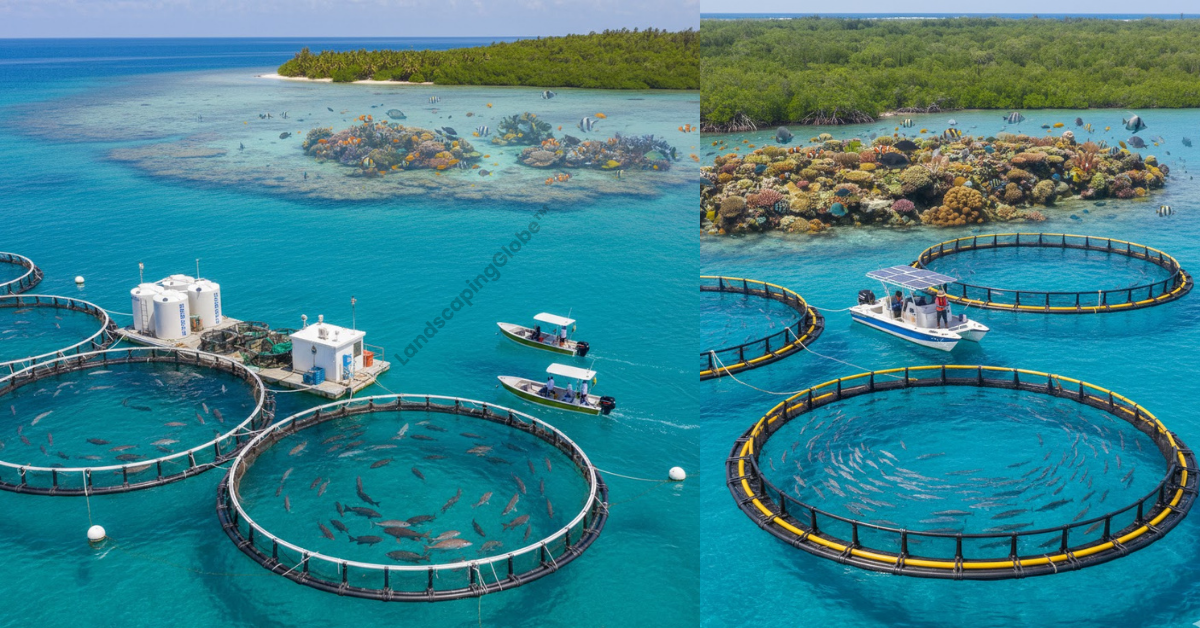
Overfishing is a serious problem today, shrinking wild fish populations and making seafood harder to find. Aquaculture offers a sustainable solution by farming fish in controlled environments, letting people enjoy seafood without harming wild stocks.
It allows species to recover naturally and protects fragile ecosystems like coral reefs and mangroves. By choosing farm-raised fish, you help reduce bycatch and support safer, smarter fishing methods. Aquaculture also meets the rising global demand for seafood, as noted by Alpha-Purify, providing alternatives to destructive wild fishing.
Hatchery-raised fish can restore threatened or endangered populations, helping oceans recover. Organizations like Bow Seat Creative Action for Conservation and NOAA Fisheries highlight how responsible fish farming supports sustainable practices. While not perfect, aquaculture helps oceans breathe, wild populations thrive, and people enjoy seafood safely. Every choice, like buying farm-raised fish, contributes to ocean conservation and a healthier planet.
How Aquaculture Supports Sustainable Fisheries
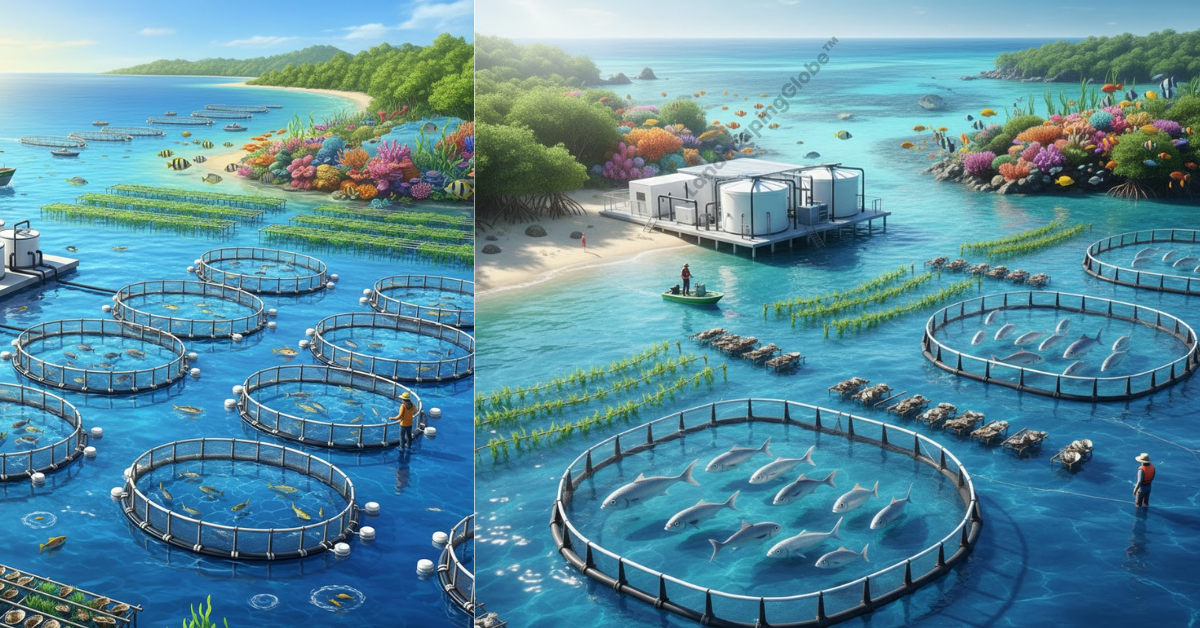
Aquaculture plays a key role in supporting sustainable fisheries by reducing pressure on overexploited wild stocks and protecting marine life. By farming fish and shellfish in controlled environments, communities can enjoy consistent seafood without harming oceans. Shellfish like oysters filter water and improve ecosystems, while responsible aquaculture helps restore endangered populations.
Alternative feeds made from plants, insects, and algae reduce reliance on wild fish, supporting more eco-friendly. Technologies such as Recirculating Aquaculture Systems (RAS) and open-ocean pens minimize waste, prevent disease, and stop farmed fish from escaping into the wild. Sustainable practices, including seaweed and shellfish, enhance coastal ecosystems and protect habitats naturally. Experts from NOAA Fisheries, The Nature Conservancy, and UBC Institute for the Oceans and Fisheries highlight how aquaculture ensures food security while maintaining ocean health.
The Academy of Nutrition and Dietetics notes that aquaculture increases seafood accessibility and affordability, giving people more options to eat healthily. Responsible aquaculture also complements wild fisheries, letting them recover and thrive, as confirmed by the National Sea Grant College Program and The Ocean Foundation. When managed carefully, aquaculture creates a balance where people, nature, and industry can all benefit together.
Reducing Pressure on Wild Fish Populations Through Farming
- Reduced Overfishing: Farming fish like tilapia and carp provides a steady seafood source, letting wild fish populations recover naturally.
- Sustainable Feed Alternatives: Using insects, algae, and plant-based feeds instead of fishmeal and fish oil protects oceans and reduces pressure on wild fisheries.
- Species Selection: Choosing herbivorous and omnivorous fish, as well as mollusks, lowers dependency on wild fish and supports a healthier ecosystem.
- Technological Innovations (RAS): Recirculating Aquaculture Systems (RAS) on land prevent water pollution, reduce habitat damage, and limit the need for antibiotics.
- Habitat Restoration: Farming seaweed and bivalves improves water quality, restores marine habitats, and provides ecosystem services without harming wild populations.
- Responsible Management: Following guidance from Seafood Watch, Monterey Bay Aquarium, and Science | AAAS ensures farming is sustainable and protects wild species.
Technological Advances in Aquaculture for Sustainable Fishing
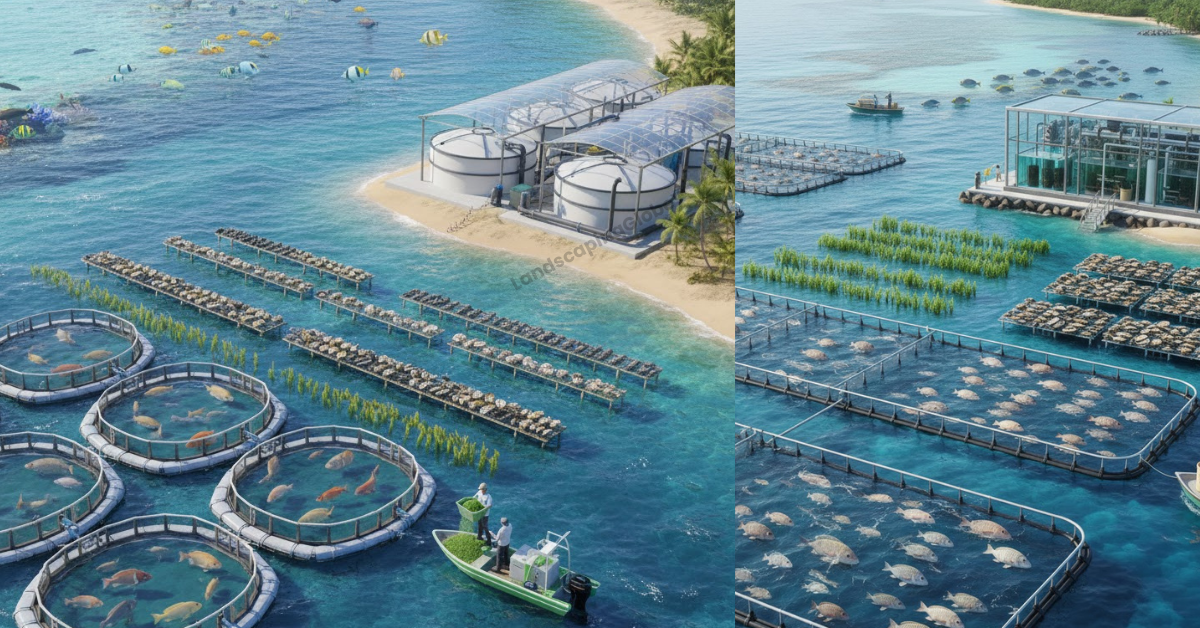
- Recirculating Aquaculture Systems (RAS): These land-based systems reduce water use, prevent nutrient runoff, and stop farmed fish from escaping into wild habitats.
- AI-Driven Monitoring: Artificial intelligence and machine learning track water quality, oxygen, temperature, and fish behavior for precise feeding and waste reduction.
- Open Ocean Aquaculture: Submersible pens with sensors provide optimal water flow, improve fish health, and support sustainable seafood production, notes Oceans Research.
- Alternative Feeds and Nutrition: Using plants, insects, and algae reduces reliance on fishmeal and fish oil, lowering pressure on wild fish populations.
- Health Monitoring and Disease Prevention: Advanced sensors, underwater cameras, satellites, and drones detect problems early, reduce antibiotics, and maintain fish welfare.
- Automation and Electrification: Electric feeders and cleaning equipment reduce labor, lower energy consumption, and decrease the carbon footprint of aquaculture, says Danfoss.
How Fish Farming Can Prevent Depletion of Endangered Species
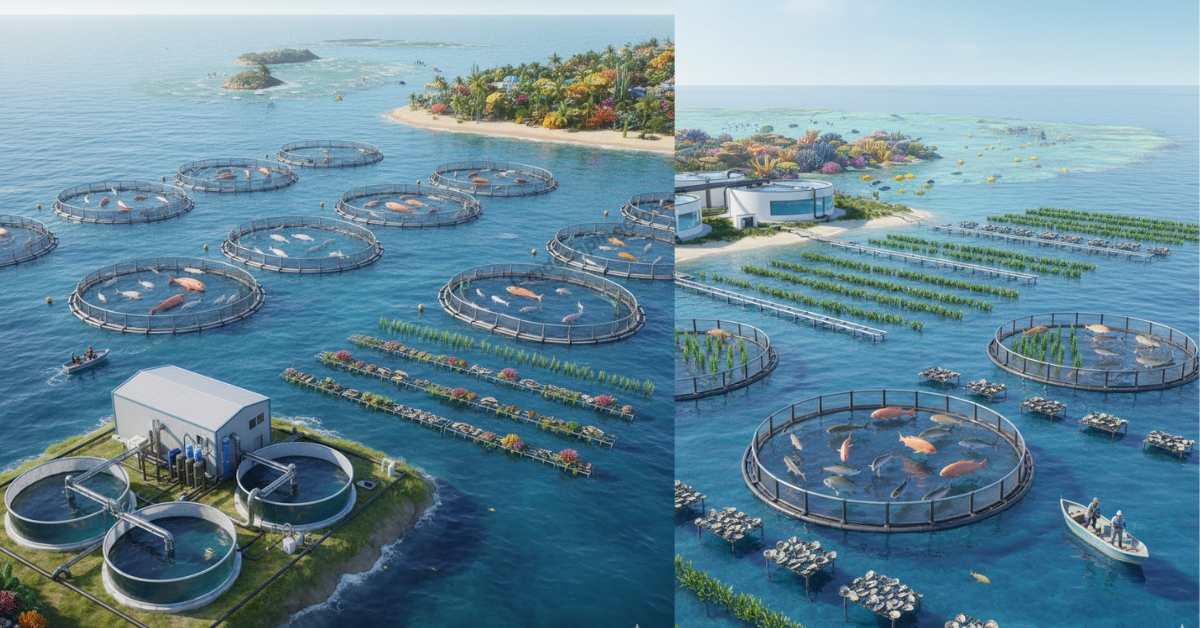
Fish farming, also known as aquaculture, provides a controlled, sustainable alternative to wild harvesting, helping prevent the depletion of endangered species naturally. By raising fish in hatcheries and land-based systems, aquaculture reduces intense fishing pressure, allowing wild populations and fragile ecosystems to recover over time.
Species like salmon and tilapia provide a reliable seafood supply, reducing reliance on destructive fishing methods that harm habitats and endangered species. Coastal aquaculture of seaweed and shellfish improves water quality, creates reef-like habitats, and supports the protection of local biodiversity effectively.
Technologies such as onshore recirculating systems and offshore pens minimize pollution, prevent disease, and ensure safe, healthy growth of farmed fish. Experts from Open Blue Cobia, UBC Oceans and Fisheries, The Happy Turtle Straw, NOAA Fisheries, and Bow Seat highlight sustainable aquaculture supporting ecosystems and global seafood demand.
Environmental Advantages of Sustainable Aquaculture Practices
- Habitat Restoration: Shellfish and seaweed farming improve water quality and create homes for marine life.
- Protect Wild Stocks: Farmed seafood reduces pressure, helping wild populations recover.
- Low Carbon Footprint: Sustainable aquaculture uses less water and emits fewer greenhouse gases than livestock.
- Water Quality: RAS systems capture waste and prevent pollution.
- Less Bycatch: Responsible methods reduce accidental catch and preserve biodiversity, notes Seafood Watch.
- Efficient Land Use: Deep-water ocean farming protects sensitive coastal ecosystems.
- Tech Support: NOAA Fisheries, Finnforel, and Open Blue Cobia improve farm monitoring and efficiency.
Challenges and Solutions in Sustainable Fish Farming
- Disease & Parasites: High-density fish farms often spread pathogens quickly, requiring careful disease management, vaccines, and guidance from the Monterey Bay Aquarium.
- Environmental Pollution: Uneaten feed and waste can harm waterways; RAS systems and Open Blue Cobia offshore farms help reduce pollution.
- Unsustainable Feed: Reliance on wild-caught fish like anchovies or sardines threatens ecosystems; alternative feeds from algae, insects, or soy provide solutions, notes Finnforel.
- Energy & Resource Use: Maintaining land-based farms needs energy; NOAA Fisheries recommends efficient RAS systems and smart tech to lower the carbon footprint.
- Escapees & Ecosystem Impact: Farmed fish can interbreed with wild populations, affecting biodiversity; offshore and controlled containment reduce risks, per Seafood Watch.
- Advanced Feed Technology: Innovations using microbial proteins, algae, and soy reduce dependency on wild fish, supporting sustainable seafood production.
- Integrated Aquaculture: Combining species like sea cucumbers, shellfish, and seaweed recycles waste and creates balanced ecosystems for healthy growth.
- Smart Farming Technologies: AI, sensors, and analytics monitor fish health, feeding, and water quality to prevent losses and environmental damage.
Community and Local Fisheries Benefits from Aquaculture
- Economic Opportunities: Aquaculture creates year-round jobs in farming, processing, and equipment manufacturing, boosting local economies, says NOAA Fisheries (.gov).
- Food Security & Safety: Local fish farming provides a consistent, affordable supply of nutritious seafood, reducing import reliance, notes Sea Grant Michigan.
- Support for Local Fisheries: By complementing traditional fishing, aquaculture reduces pressure on wild stocks and helps communities diversify income, according to Oxford Academic.
- Environmental Benefits: Bivalves and seaweed filter water and improve ecosystem health, restoring habitats, and highlighting the Great Lakes Echo.
Innovations to Protect Wild Fish Stocks
The future of aquaculture is centered on innovations that safeguard wild fish populations while meeting the growing global seafood demand. Technologies such as Recirculating Aquaculture Systems (RAS), AI-powered monitoring, and automated feeding improve efficiency, reduce waste, and minimize environmental impacts, according to Oceans Research.
- Recirculating Aquaculture Systems (RAS): Land-based systems control water, prevent escapes, and reduce wild fish use (Finnforel).
- AI & Smart Sensors: Monitor fish health and water for precise feeding and disease prevention (ScienceDirect.com).
- Alternative Feeds: Plant, insect, and algae-based feeds lower reliance on wild forage fish (The Nature Conservancy).
- Offshore & Open Ocean Aquaculture: Deep-water pens improve water flow, fish welfare, and reduce environmental impact (Open Blue Cobia).
- Genetic & Hatchery Innovations: Selective breeding replenishes wild populations without overfishing (UBC Institute for the Oceans and Fisheries).
Conclusion
Aquaculture provides a sustainable alternative to wild fish populations, reducing overfishing while meeting growing global seafood demand efficiently and responsibly. Technologies like Recirculating Aquaculture Systems (RAS) and alternative feeds minimize reliance on forage fish, protecting marine ecosystems, as noted by Seafood Watch.
Innovations such as AI-powered monitoring, offshore aquaculture, and hatchery programs support fish welfare and prevent depletion of endangered species, according to Oceans Research. Responsible aquaculture strengthens local fisheries and coastal economies, while promoting biodiversity, sustainability, and long-term food security, according to The Nature Conservancy. By combining technology, practices, and careful management, aquaculture ensures a viable seafood supply while preserving wild fish stocks for future generations.
FAQs
1. How does aquaculture reduce overfishing?
By providing an alternative source of seafood, aquaculture decreases the demand on wild fish populations, allowing them to recover.
2. Which types of fish are commonly farmed?
Commonly farmed species include salmon, tilapia, shrimp, catfish, and carp, depending on local demand and ecosystem.
3. Can aquaculture help endangered species?
Yes, farming threatened species in controlled environments reduces hunting pressure in the wild and supports conservation efforts.
4. Does aquaculture affect the ecosystem?
Poorly managed farms can harm ecosystems, but modern sustainable methods ensure minimal impact on natural habitats.
5. How can consumers support sustainable aquaculture?
Look for certifications like ASC (Aquaculture Stewardship Council) or MSC (Marine Stewardship Council) labels when buying seafood.