Top Biochar Tips for Farms & Gardens | USDA & CharGrow
What is Biochar?
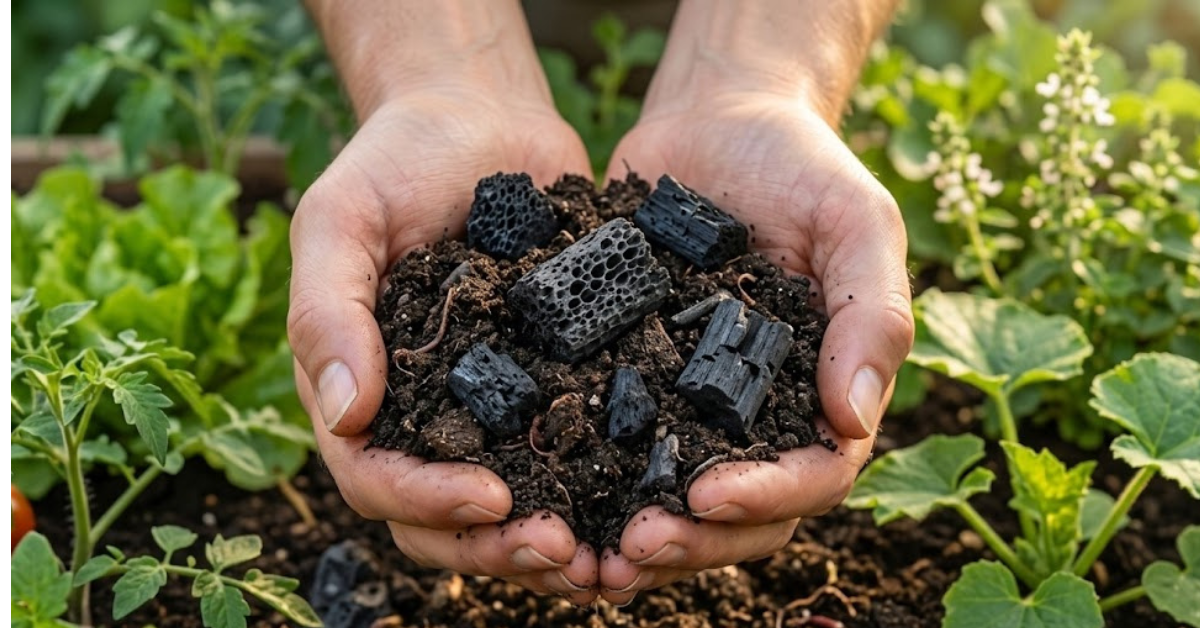
Biochar is a carbon-rich, porous material made by heating organic waste through pyrolysis, acting like a sponge for soil. It improves soil structure, aeration, and water retention, helping crops survive drought while reducing irrigation needs. Biochar increases cation exchange capacity (CEC), holds nutrients like nitrogen and phosphorus, and balances soil pH for healthier plants.
Its porous nature provides a safe habitat for soil microorganisms, boosting nutrient cycling and root growth. By locking carbon, biochar fights climate change and lowers greenhouse gas emissions, while binding heavy metals in polluted soils. Mixing biochar with compost enhances results, but effectiveness depends on feedstock, production temperature, and soil type. Overall, biochar supports soil fertility, crop productivity, and carbon sequestration, making it an essential tool for sustainable farming and gardening.
How Biochar Enhances Soil Fertility and Structure
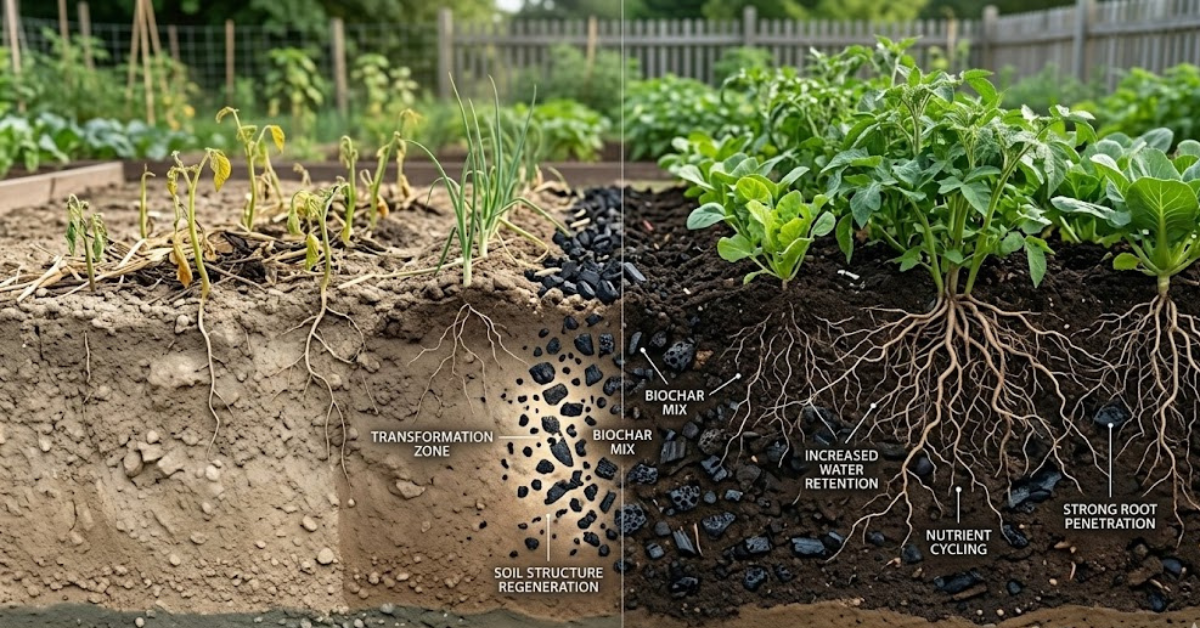
Biochar, a carbon-rich material made via pyrolysis, boosts soil fertility and structure like a natural helper for tired, nutrient-poor soils. Its high cation exchange capacity (CEC) traps nutrients such as nitrogen, phosphorus, and potassium, preventing them from washing away and keeping them available for plants. By raising the pH of acidic soils, biochar reduces aluminum toxicity and creates a friendlier environment for roots to grow.
Its porous design hosts beneficial soil microorganisms, which improve nutrient cycling and enzyme activity, making soil biologically active. Biochar also increases water retention by up to 28.5%, reduces bulk density, and encourages soil aggregation, improving drainage, aeration, and stability, especially in degraded or sandy soils. Mixing biochar with compost or organic fertilizers amplifies results, making it a smart choice for gardeners and farmers seeking healthier soil and resilient crops.
Biochar Benefits: Boosting Soil Nutrients Naturally
- Enhanced Nutrient Retention: Biochar traps nutrients like nitrogen (N), phosphorus (P), and potassium (K), keeping them available in the root zone.
- Increased Microbial Activity: Its porous structure provides habitat for beneficial microbes, which break down organic matter and boost nutrient cycling.
- Improved Soil Fertility: Biochar enriches soil fertility, promoting stronger plant growth and higher crop productivity over time.
- Reduced Fertilizer Dependence: By holding nutrients longer, biochar reduces the need for frequent chemical fertilization.
- pH Balance & Soil Amendment: It neutralizes acidic soils, acting like a liming agent while improving soil structure and aeration.
- Water Retention & Drought Support: Biochar holds water effectively, especially in sandy or degraded soils, helping plants survive dry conditions.
- Long-Term Soil Health: It remains stable in soil for centuries, sustaining plant growth and supporting sustainable agriculture.
- Compost Synergy: Mixing biochar with compost or organic fertilizers amplifies benefits, creating a healthy, nutrient-rich ecosystem.
A Beginner’s Guide to Using Biochar in Your Garden
- Charge It First: Always pre-soak raw biochar with compost, manure, or liquid nutrients (like worm tea) for 10–30 days to prevent it from stealing soil nutrients.
- Application Rates: Use about 1 quart of biochar per square foot of garden soil. Blend it into the top 4–6 inches for best results.
- Soil Incorporation: Mix biochar into new beds during spring prep, or around plant roots in established beds to enhance nutrient availability.
- Compost Additive: Add biochar to your compost pile throughout the season. It enriches compost with nutrients and microbes by harvest time.
- Top Dressing: Sprinkle charged biochar on top of soil and lightly rake it in for a simple nutrient boost.
- Water Saving: Its porous structure increases soil water-holding capacity, supporting plants during dry spells and reducing watering frequency.
- Soil Structure: Improves aeration, reduces compaction, and enhances overall soil structure, especially in clay or degraded soils.
- Safety Tips: Crush biochar into small particles before use. Avoid using grill briquettes as they contain chemicals.
The Science Behind Biochar and Soil Improvement
Biochar, produced by pyrolyzing biomass, is a stable, porous carbon material that acts like a sponge, improving soil health, fertility, and water retention while reducing irrigation needs. Its high surface area provides a safe home for beneficial microbes, including bacteria and fungi, which boost nutrient cycling and enhance plant growth.
With a high cation exchange capacity (CEC), biochar traps essential nutrients such as potassium, magnesium, and calcium, preventing them from leaching out and keeping them available for plants. Its alkaline properties help neutralize acidic soils, reduce aluminum toxicity, and improve overall soil structure, making it easier for roots to grow. Being highly stable, biochar sequesters carbon for centuries, acting as a long-term carbon sink.
When combined with compost or other organic amendments, biochar retains nutrients released by decomposition, boosting crop yields by around 10% and creating a resilient, sustainable ecosystem for both garden and farmland. Its effectiveness depends on feedstock, soil type, and proper application, but once incorporated, biochar provides lasting benefits for healthier, more productive soils.
Biochar vs. Traditional Fertilizers: Which is Better for Soil?
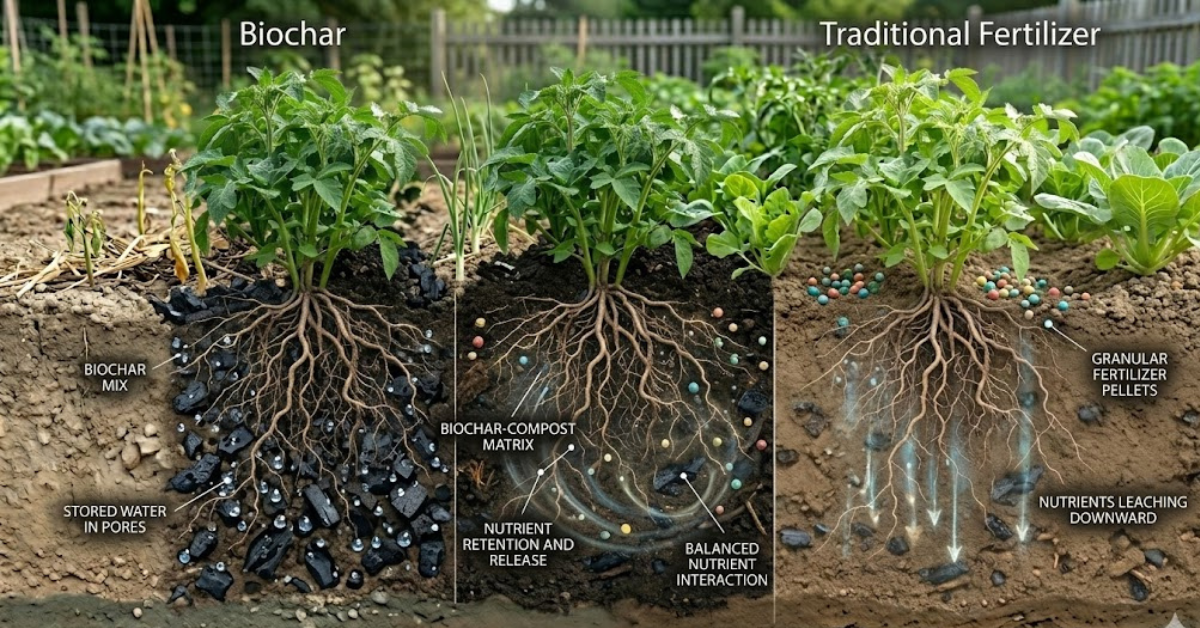
| Feature / Aspect | Biochar | Traditional Fertilizers | Combined Approach |
| Type | Permanent soil amendment | Quick-release nutrient input | Biochar + organic fertilizers or chemical inputs |
| Nutrient Retention | Traps nitrogen (N), phosphorus (P), potassium (K), prevents leaching | Provides nutrients quickly but leaches fast | Reduces fertilizer use by 20–40%, increases nutrient efficiency |
| Soil Structure | Improves soil structure, aeration, and texture | No improvement in structure | Enhances both structure and nutrient availability |
| Water Retention | Increases water retention, drought resilience | Minimal effect on water holding | Boosts water retention while supplying nutrients |
| Microbial Activity | Promotes beneficial microbes for nutrient cycling | Does not support microbial life | Supports microbes while delivering nutrients |
| pH Management | Raises soil pH, reduces acidity | No significant effect | Balances pH while feeding plants |
Eco-Friendly Soil Management with Biochar
A highly porous, carbon-rich soil amendment produced via pyrolysis, biochar plays a vital role in eco-friendly soil management. It enhances soil health by increasing water retention, improving nutrient availability, and supporting beneficial microbial activity, making crops more resilient and productive. Acting as a long-term carbon sink, it stores carbon for centuries, helping mitigate greenhouse gas emissions and supporting climate-friendly agriculture. Additionally, it improves soil structure by reducing bulk density and increasing aeration, decreases nutrient leaching (especially nitrogen and phosphorus), and raises soil pH in acidic soils.
Biochar can also immobilize contaminants, binding heavy metals and organic pollutants to reduce their bioavailability. Combined with organic amendments like compost or fertilizers, it serves as a sustainable, long-term soil amendment that aligns with circular bioeconomy practices. Research from USDA Climate Hubs, Food and Agriculture Organization, and National Institutes of Health (NIH) confirms that biochar-assisted agriculture enhances soil fertility, microbial interactions, and crop yields while promoting a climate-resilient farming system.
Why Biochar is Key to Sustainable Agriculture
Acting as a permanent soil amendment, biochar is a cornerstone of sustainable agriculture by enhancing soil fertility, increasing water retention, and providing a stable habitat for beneficial microorganisms. Produced through pyrolysis of organic waste, it transforms agricultural residues such as manure, nut shells, and logging residue into a productive input, reducing the need for chemical fertilizers while improving air quality.
Its high cation exchange capacity (CEC) prevents nutrient leaching, boosting nitrogen, phosphorus, and potassium availability, and supporting better crop nutrient uptake. By locking carbon in the soil for centuries, biochar serves as a long-term carbon sink, mitigating greenhouse gas emissions including CO₂, methane, and nitrous oxide, and contributing to climate-smart farming.
Studies from USDA Climate Hubs, ATTRA – Sustainable Agriculture, National Institutes of Health (NIH), Carbon Standards, and the International Biochar Initiative show that biochar-assisted agriculture improves soil structure, supports microbial interactions, and can increase crop yields by up to 30% in degraded or nutrient-poor soils.
Step-by-Step: Applying Biochar to Improve Soil Health
Step 1: Prepare Biochar: Use biochar (avoid charcoal briquettes), moisten it, and charge with compost, manure, or liquid nutrients.
Step 2: Determine Rate : Mix 5–10% by volume into garden soil; up to 20% for poor soils.
Step 3: Incorporate into Soil : Till or top-dress into the root zone (6–12 inches), or use vertical mulching for established plants.
Step 4: Water Thoroughly : Help biochar integrate and activate its water retention and microbial benefits.
Step 5: Maintain & Monitor : Combine with organic fertilizers, check pH and nutrients, and enjoy long-term soil improvement.
Biochar’s Role in Reducing Soil Pollution
- Immobilizing Heavy Metals: Binds Cd, Pb, Hg, As and reduces plant uptake.
- Adsorbing Organic Pollutants: Traps pesticides and DDT, lowering chemical mobility.
- Enhancing Microbial Degradation: Supports beneficial microbes to break down pollutants.
- Reducing Pesticide Mobility: Cuts 10–25% pesticide absorption by plants.
- Improving Soil Health: Boosts water retention, nutrient holding, and pH.
- Factors Affecting Efficacy: Depends on pyrolysis temperature, feedstock, soil type.
- Integrated Remediation: Works with plants, microbes, and fits USDA, NIH, ScienceDirect, Frontiers strategies.
Top Tips for Integrating Biochar Into Your Farm or Garden
- Always Charge or Inoculate: Mix biochar with compost, manure, worm tea, or fertilizer for 1–2 weeks. Prevents nutrient tie-up and enhances microbial activity.
- Apply to the Root Zone: Incorporate into top 4–6 inches of soil for best plant access. Works for garden beds, orchards, and farms.
- Use in Planting Holes: Add a handful of charged biochar when transplanting trees, shrubs, or seedlings. Boosts establishment and growth.
- Layer in Compost Piles: Mix biochar into compost to improve decomposition, reduce odor, and create fully charged soil amendment.
- Top-Dress Existing Beds: Sprinkle charged biochar on soil surface; lightly rake in for slow soil integration.
- Add to potting mixes: Mix 10–20% biochar into potting soil for containers. Improves aeration, water retention, and nutrient availability.
- Follow Targeted Application Rates: Approx 1 lb per 10 sq. ft. for garden beds, or follow product guidelines. Adjust based on USDA Climate Hubs, CharGrow, and Pacific Biochar recommendations.
- Water Well After Application: Keep soil moist for 5–10 days post-application to activate biochar and enhance soil microbial interactions.
Conclusion
Integrating biochar into your farm or garden is a powerful, sustainable practice that improves soil fertility, water retention, and microbial activity. By following best practices like charging biochar with compost or manure and applying it to the root zone, farmers and gardeners can reduce chemical fertilizer use and enhance long-term soil health. Trusted sources such as USDA Climate Hubs, CharGrow, Pacific Biochar, NextChar, International Biochar Initiative, and Wakefield BioChar highlight that proper biochar application not only boosts crop yields but also contributes to climate-friendly agriculture. Whether used in garden beds, orchards, potting mixes, or compost piles, biochar remains a permanent, eco-friendly soil amendment that ensures resilient, productive, and healthy soils for years to come.
FAQs
- Is biochar suitable for all types of soil?
Yes, but its effectiveness varies; it works best in sandy and degraded soils needing better nutrient and water retention.
- Can biochar replace chemical fertilizers?
Biochar complements fertilizers but usually does not completely replace them; it reduces the need for excessive chemical use.
- How much biochar should be added to soil?
Typically 5–20% by volume is recommended, depending on soil type and crop needs.
- Does biochar help with soil erosion?
Yes, by improving soil structure and water retention, it can reduce erosion risk.
- Can biochar be used in potted plants?
Absolutely! Small amounts mixed with potting soil improve aeration, water retention, and root growth.
- How long does biochar last in the soil?
Biochar is very stable and can persist in soil for hundreds to thousands of years, providing long-term benefits.
- Where can I get biochar for my garden or farm?
It’s available from garden centers, agricultural suppliers, or can be made at home from organic biomass.