

Fish Diseases in Aquaculture Farms: Causes, Types, Prevention & Control Guide
Fish Diseases in Aquaculture Farms
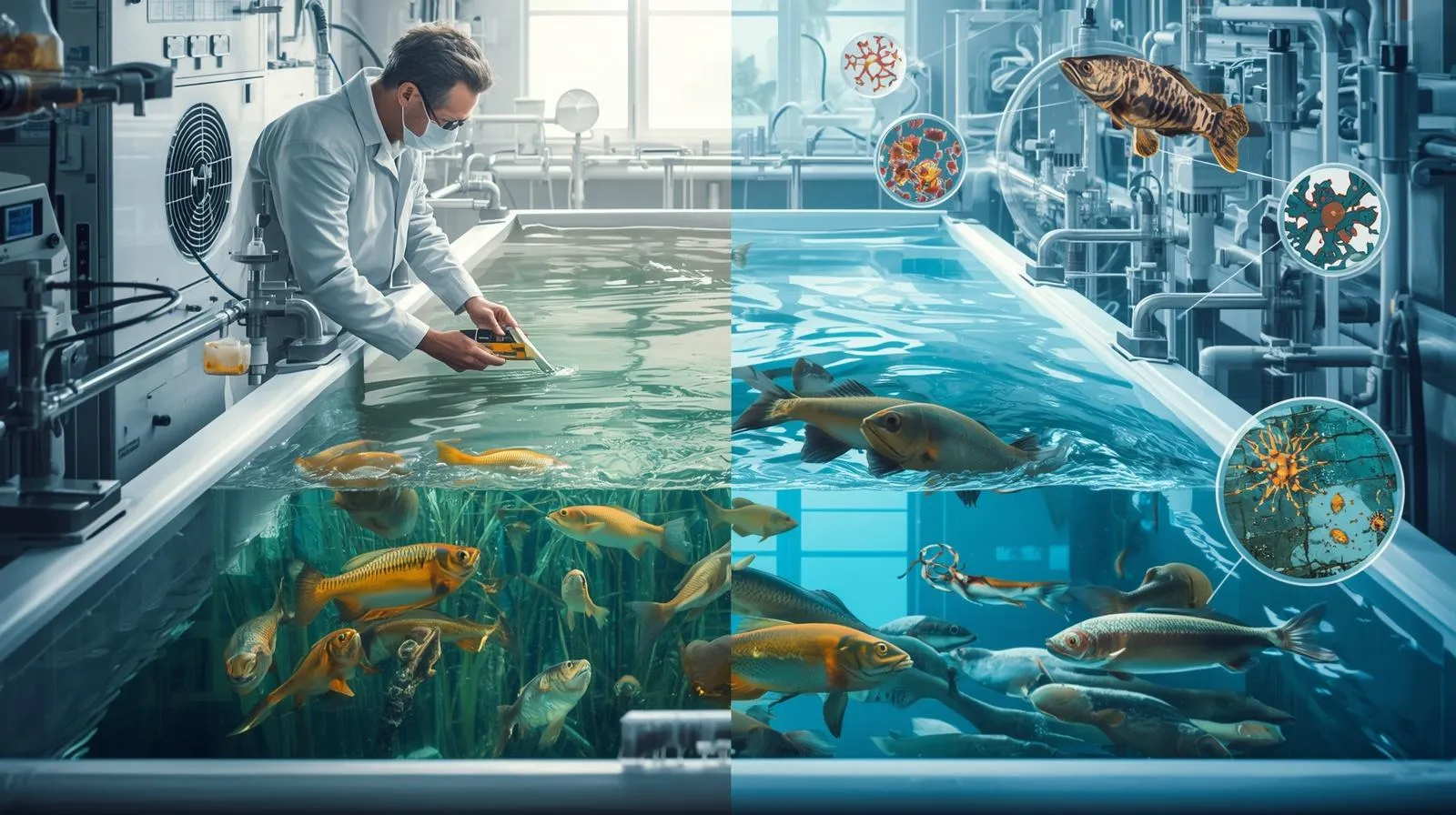
Fish diseases are a common problem in Aquaculture, especially when fish live in crowded and poor water conditions. You may notice slow movement or loss of appetite as early signs. These diseases are mainly caused by Bacterial infection, Viral infection, and Parasitic infection.
Stress from low oxygen or bad water makes fish weak and easy targets for pathogens like Aeromonas and Vibrio. Viral diseases such as Tilapia Lake Virus can spread fast and cause heavy loss. Parasites like Ichthyophthirius multifiliis also damage fish health.
Good practices like Biosecurity, clean water, and early testing with Polymerase Chain Reaction help you control these problems and keep your farm safe.
What Are Fish Diseases in Aquaculture Farms?
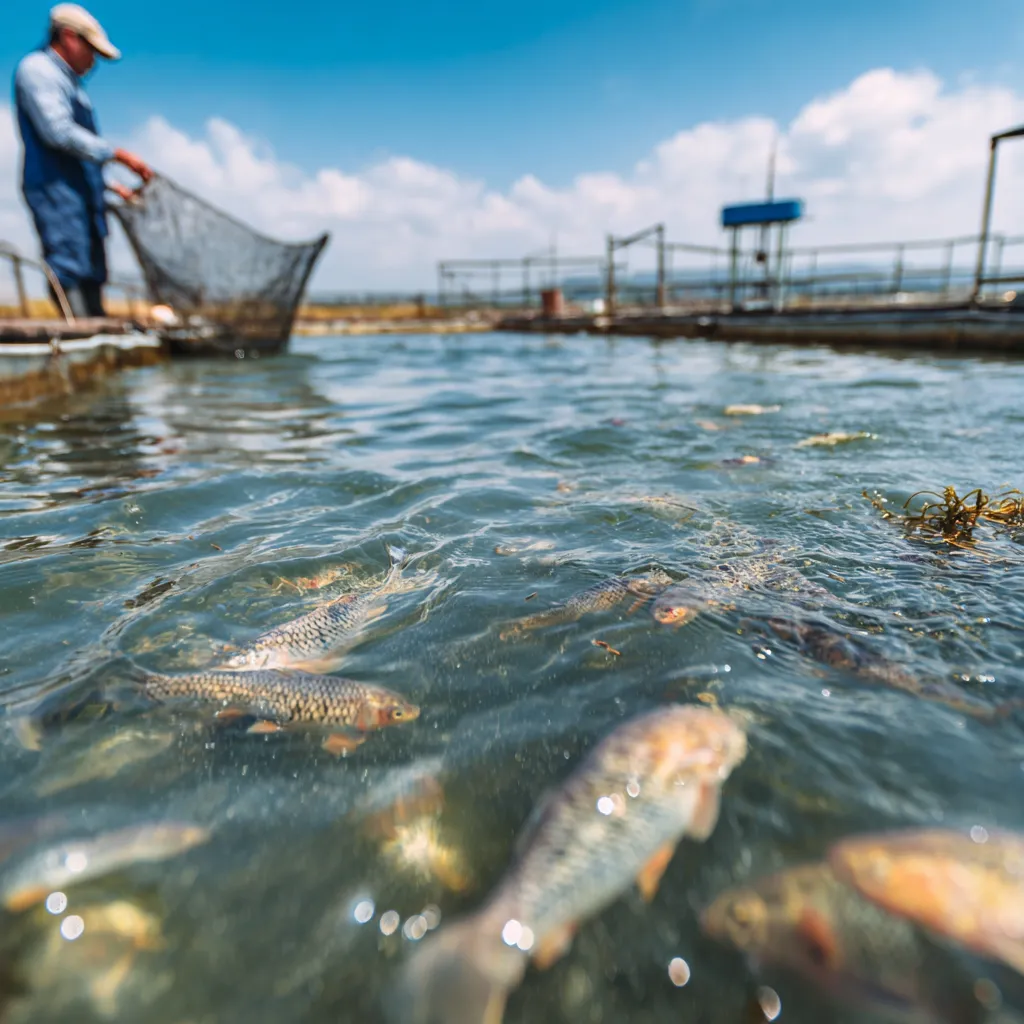
Fish diseases in Aquaculture are health problems caused by harmful organisms in farm environments. These include Bacterial infection, Viral infection, Parasitic infection, and fungal attacks.
You might see fish becoming weak, swollen, or inactive, which clearly shows something is wrong. Common diseases include Vibriosis, Infectious Salmon Anemia, and White Spot Disease, which spread fast in crowded ponds. Parasites like Dactylogyrus and Lernaea damage gills and skin.
Bacteria such as Aeromonas, Vibrio, and Edwardsiella are also major causes. These problems often happen due to stress, dirty water, and high stocking density. In simple words, fish diseases are serious Aquatic Animal Diseases that can harm your farm if not managed early.
Why Fish Health Management Is Important in Fish Farming
Fish health management in Aquaculture is very important to prevent losses from Bacterial infection, Viral infection, and Parasitic infection. Poor water, stress, and crowding can quickly spread disease in fish farms.
Good management helps you protect fish before problems start. It reduces risks using Biosecurity, clean water, and proper feeding. It also saves money by preventing outbreaks like Vibriosis, which can kill many fish at once. Healthy fish grow better and give higher profit.
It also protects the environment from spreading disease to wild fish. In simple words, fish health management keeps your farm safe, profitable, and stable in Aquaculture.
Common Signs of Disease in Farmed Fish
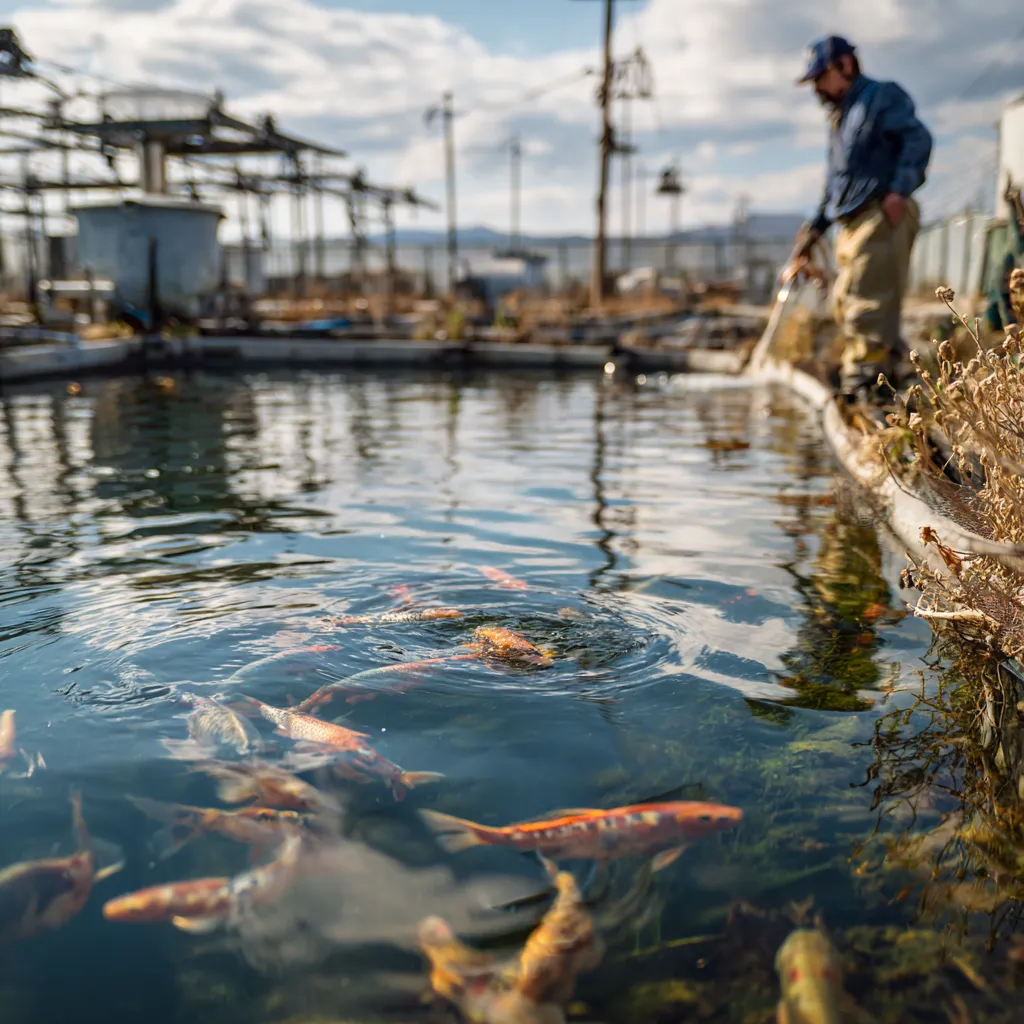
- Reduced Appetite: Fish suddenly stop eating, which is often the first warning sign of disease in Aquaculture.
- Erratic Swimming: Fish move in unusual ways like spiraling or fast darting, showing stress or infection from Parasitic infection.
- Surface Gasping: Fish come to the top of water and gasp for air, often due to low oxygen or gill damage.
- Lethargy: Fish become slow, weak, and stop moving actively in the pond.
- Flashing Behavior: Fish rub their bodies on walls or objects to remove parasites like Ichthyophthirius multifiliis.
- Isolation: Infected fish stay away from the group and look inactive.
- Loss of Balance: Fish may float upside down or swim in a tilted position, showing serious health issues.
Bacterial Diseases That Affect Aquaculture Fish
In Aquaculture, bacteria cause fast fish sickness. Fish get weak due to Aeromonas, Vibrio, and Flavobacterium columnare.
Common Bacterial Diseases
- Vibriosis: Fish bleed and get body sores.
- Aeromonas Infection: Fish get wounds and internal infection.
- Columnaris Disease: Fish fins rot and gills get damaged.
- Streptococcosis: Fish eyes swell and swimming becomes weak.
- Edwardsiellosis: Fish body gets deep internal infection.
Serious Long Diseases
- Bacterial Kidney Disease: Fish slowly become weak and die.
- Salmon Rickettsial Syndrome: Fish face high farm loss.
- Mycobacteriosis: Fish become thin and sick for a long time.
Viral Infections in Fish Farming Systems
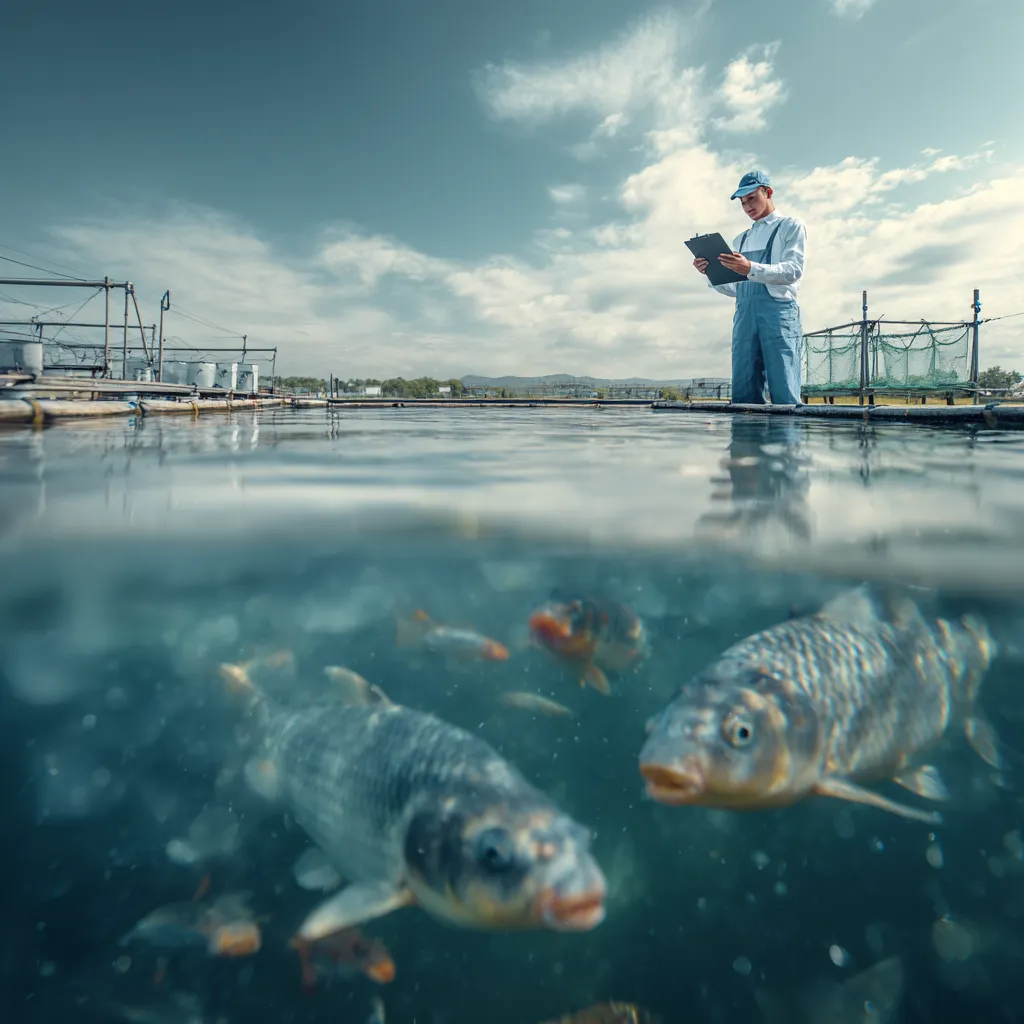
- Infectious Salmon Anemia: This disease affects salmon fish badly and spreads fast in farms. It causes a weak body, low energy, and very high death rates in Aquaculture.
- Viral Hemorrhagic Septicemia: This disease causes internal bleeding in fish bodies. Fish become weak, stop eating, and may die suddenly without clear warning signs.
- Koi Herpesvirus Disease: This disease mainly attacks koi and carp fish. Fish show stress, difficulty in breathing, and high mortality in warm water systems.
- Infectious Hematopoietic Necrosis: This disease attacks young fish like trout and salmon. It damages blood-forming organs and causes sudden death in infected fish groups.
- Viral Nervous Necrosis: This disease damages the fish nervous system. Fish start swimming in circles, lose balance, and show unusual movements before dying.
Parasitic Diseases in Aquaculture Farms
Parasitic diseases in Aquaculture are a serious problem because they spread quickly in crowded fish farms and directly affect fish health, growth, and survival. Common parasites like Ichthyophthirius multifiliis, Myxobolus cerebralis, and Lernaea attack fish skin, gills, and internal organs, making fish weak and stressed. You may notice fish rubbing their bodies, breathing fast, or showing white spots on the skin. These infections become worse in dirty water and high stocking conditions.
Parasites reduce fish growth, damage body tissues, and lower market value. They also increase the chance of secondary infections, which makes fish mortality higher. In many cases, farmers face heavy loss if control is not done early. Proper Biosecurity, clean water, and regular monitoring are very important to stop spread. Simple care can protect your fish and keep your farm stable and profitable.
Fungal Infections in Farmed Fish
- Saprolegniasis: White cotton-like growth appears on fish skin, fins, and eggs. It spreads fast in poor water in Aquaculture and weakens fish quickly.
- Epizootic Ulcerative Syndrome: Causes deep skin ulcers on fish bodies. Fish become weak and stop normal swimming.
- Aphanomyces invadans: Enters through wounds and damages fish skin and muscles deeply.
- Branchiomycosis: Attacks fish gills and makes breathing difficult. Fish gasp at the water surface.
- Ichthyophoniasis: Infects internal organs and slowly weakens fish body and survival.
Environmental Causes of Fish Diseases
- Heavy metals like copper and mercury make fish poisonous and weak in Aquaculture.
- Chemical runoff from farms and industries makes water unsafe for fish survival.
- Excess waste in water reduces oxygen and increases harmful bacteria growth.
- Sudden temperature changes stress fish and weaken their immune system.
- Overcrowding makes fish stressed and spreads disease very fast.
- Dirty water causes constant health problems and slow fish growth.
- Fish stop eating properly when water conditions become bad.
- Gills and skin get damaged due to long exposure to poor water quality.
- Diseases like Mycobacteriosis can develop in stressed fish.
- A weak environment always leads to low survival and poor fish production.
How Poor Water Quality Leads to Fish Health Problems
Poor water quality is one of the main reasons fish become sick in aquaculture farms. When water has low oxygen levels, fish struggle to breathe and often come to the surface for air, which shows clear stress. High ammonia and nitrite from waste or overfeeding damage fish gills and blood, making it hard for them to survive normally.
Extreme pH levels can burn fish skin and gills, which leads to irritation, weak health, and slow movement. Dirty and polluted water also increases harmful bacteria, parasites, and fungi that spread diseases quickly among fish. In such conditions, fish stop eating properly, grow slowly, and become weak over time.
Temperature changes in water also disturb fish body functions and reduce their strength to fight diseases. Heavy metals and chemicals in water can damage internal organs and increase death rates in farms. Overall, poor water quality creates stress in fish, weakens their immunity, and makes the whole system unsafe for healthy fish farming.
Most Common Fish Diseases Found in Aquaculture Farms
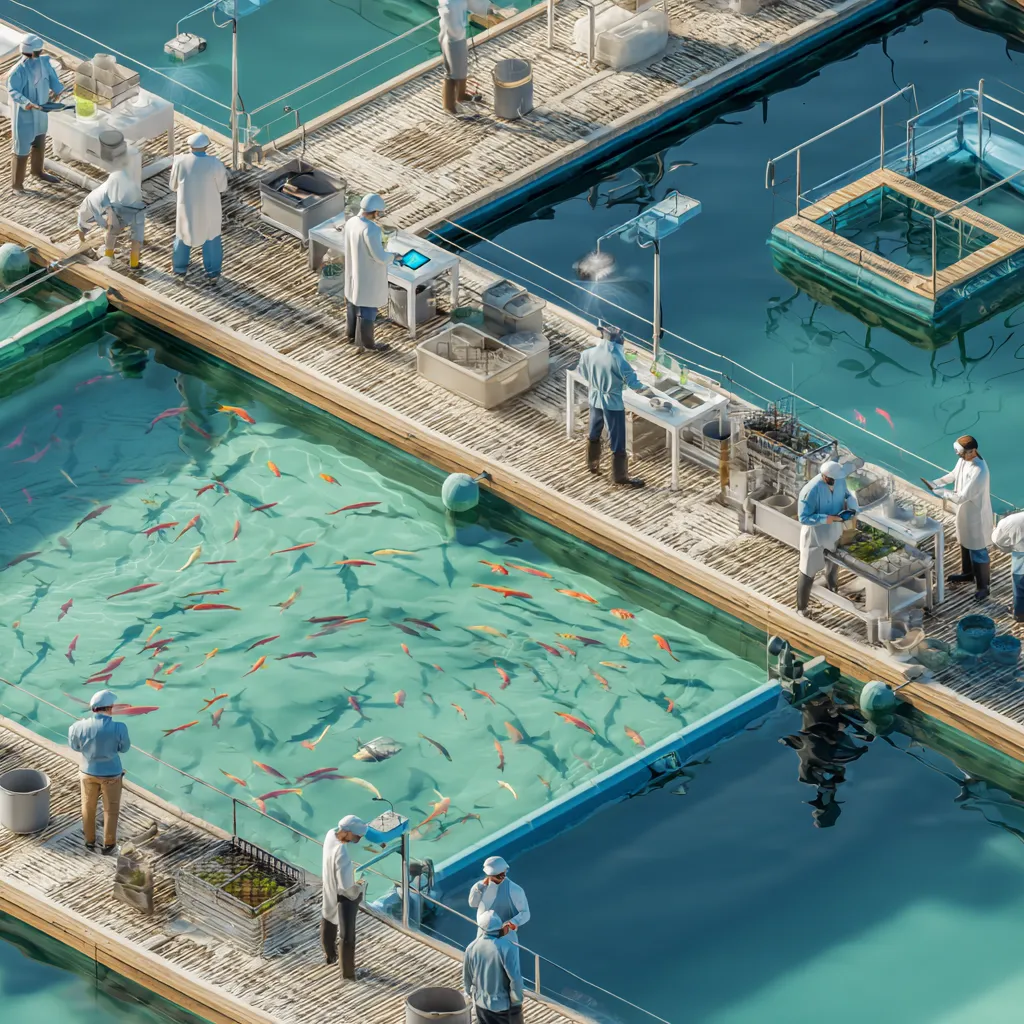
- Vibriosis: is a bacterial disease that affects marine and freshwater fish and can cause high death rates.
- Aeromonas Septicemia: spreads in freshwater fish and leads to body damage and fast fish deaths.
- Columnaris disease: causes fin rot, skin damage, and weak body condition in stressed fish.
- Streptococcosis: affects both freshwater and saltwater fish and can harm the brain and body.
- Enteric Red Mouth Disease (ERM): mainly attacks salmon fish and causes internal infection.
- Salmon Rickettsial Syndrome (SRS): is a serious bacterial infection seen in farmed salmon.
- White Spot Disease (Ichthyophthiriasis): creates white dots on fish skin and gills and spreads quickly.
- Trichodinosis and Chilodonelliosis: damage fish skin and gills and make breathing difficult.
- Gyrodactyliosis and Dactylogriosis: are parasites that attack fish skin and gills and weaken fish health.
- Infectious Salmon Anemia (ISA): is a viral disease that causes severe fish weakness and death.
- Tilapia Lake Virus (TiLV): affects tilapia fish and leads to high mortality in farms.
- Viral Hemorrhagic Septicemia (VHSV): damages the blood system and causes bleeding inside fish.
- Spring Viremia of Carp (SVC): mainly affects carp fish and spreads very fast in ponds.
- Saprolegniasis (fungal disease): appears as white cotton-like growth on fish body and eggs.
How Stress Affects Fish Immunity and Health
Stress has a strong negative effect on fish immunity and overall health in aquaculture systems. When fish experience stress, their body releases hormones like cortisol and adrenaline that help them survive short-term problems such as handling or changes in water quality. However, when stress continues for a long time, it weakens the immune system and reduces the fish’s ability to fight diseases.
Stressed fish produce fewer antibodies, which makes them more vulnerable to bacterial, viral, and parasitic infections. Stress also disturbs the salt and water balance in their bodies and damages the protective mucus layer on their skin, which normally acts as a shield against germs. In addition, energy that should be used for growth and reproduction is instead used to deal with stress, resulting in slow growth and poor production.
Factors like poor water quality, overcrowding, rough handling, and bad nutrition increase stress levels in fish. Overall, continuous stress reduces immunity, increases disease risk, and can lead to higher mortality in fish farms.
Disease Prevention Methods for Fish Farmers
- Biosecurity & Quarantine: Keep strict control on farm entry and equipment. Always quarantine new fish for a few weeks before adding them to the main system to prevent disease spread.
- Water Quality Management: Maintain stable oxygen, temperature, and pH levels. Regularly test water and filter or disinfect incoming water to avoid contamination.
- Stocking Density Control: Avoid overcrowding fish, as high density increases stress and disease transmission. Proper spacing supports healthier growth.
- Healthy Feeding Practices: Provide balanced, high-quality feed to strengthen immunity. Avoid overfeeding to prevent water pollution and health issues.
- Sanitation of Pond & Equipment: Regularly clean ponds and remove dead fish. Disinfect nets, tanks, and tools to reduce infection risk.
- Vaccination Use: Apply available vaccines where possible to protect fish from major bacterial and viral diseases.
- Water Exchange: Perform partial water changes (20–30%) during poor water conditions or disease outbreaks to dilute toxins.
- Salt Treatment: Use salt baths where needed to reduce stress, improve mucus protection, and control certain protozoan parasites.
- Regular Monitoring: Observe fish behavior and water conditions daily. Early signs like reduced feeding or unusual swimming should be addressed quickly.
- Emergency Action Plan: In case of disease outbreak, isolate infected areas immediately, remove dead fish, and seek expert guidance.
Role of Nutrition in Preventing Fish Diseases
Proper nutrition is essential for preventing fish diseases as it strengthens immunity, supports growth, and reduces stress. According to Longdom Publishing SL, balanced diets rich in vitamins, minerals, and amino acids improve immune defenses like lysozyme activity and mucosal protection, making fish more resistant to infections.
Key nutrients such as vitamins C, A, E, B6, and minerals like zinc and selenium (highlighted by ScienceDirect.com) play a major role in immune regulation. Omega-3 fatty acids and amino acids support tissue repair, reduce inflammation, and prevent deficiencies that lead to health disorders.
Functional feeds containing probiotics and prebiotics improve gut health and disease resistance, as noted in PubMed Central (PMC). High-quality diets also reduce waste and ammonia buildup, improving water quality and lowering infection risks, which Global Seafood Alliance links directly to better fish health and survival.
Conclusion
Keeping aquaculture farms healthy requires clean water, balanced feeding, strong biosecurity, and continuous monitoring of fish health conditions carefully. Disease prevention depends on stable environmental conditions, proper oxygen levels, and regular removal of waste from pond systems effectively always.
Quarantine procedures, disinfected equipment, and high-quality feed significantly reduce risk of bacterial, viral, and parasitic infections in aquaculture farms systems. Early detection of fish disease through behavior observation helps farmers respond quickly and reduce mortality rates effectively in production units.
Proper nutrition strengthens fish immunity, improves growth performance, and reduces stress-related diseases in intensive aquaculture production systems significantly overall health.
FAQs
1. What are the most common fish diseases in aquaculture farms?
Common diseases include bacterial infections, viral diseases, parasites, and fungal infections.
2. How can I tell if my fish are sick?
Signs include slow movement, loss of appetite, unusual swimming, spots on the body, or color changes.
3. What causes fish diseases in farms?
Poor water quality, overcrowding, stress, and weak nutrition are the main causes.
4. Can fish diseases spread quickly in ponds?
Yes, many fish diseases spread fast, especially in crowded or poorly managed ponds.
5. How can I prevent fish diseases in aquaculture?
Keep water clean, provide quality feed, avoid overcrowding, and check fish regularly.
6. Is water quality important for fish health?
Yes, clean and balanced water is essential for healthy fish and disease prevention.
7. Can fish diseases be treated?
Some diseases can be treated with proper medicines, but early detection is very important.
8. Do all fish diseases cause death?
No, many diseases can be controlled if identified and treated on time.