

Gabion Walls for Landscaping | Stylish, Durable, and Functional Outdoor Solutions
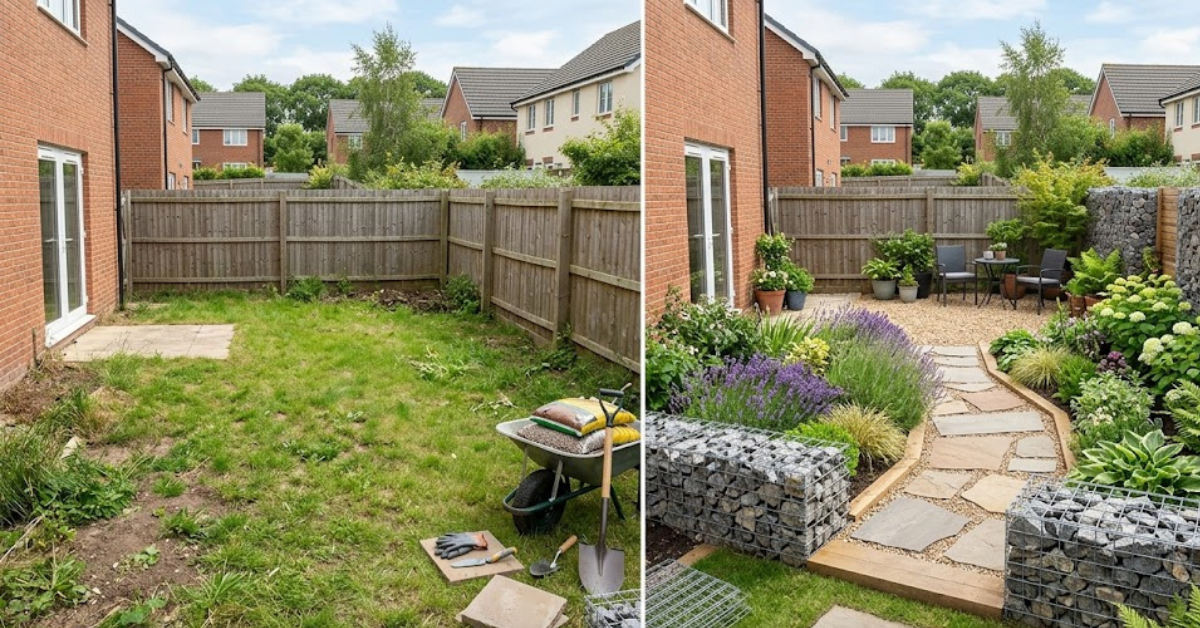
Creating a backyard with gabion walls brings both style and function, making your space feel structured like HGTV’s backyard ideas. These walls act like durable retaining walls while blending naturally with stone pathways, patios, and decks for modern or cottage-style gardens. You can combine softscaping like flowering shrubs, perennials, and annuals, such as roses and foxglove, with hardscaping features to create distinct zones for relaxation or play.
Adding lighting like string lights, solar lanterns, or spotlights enhances night usability and highlights your functional zoning areas beautifully. Many homeowners follow tips from Planner 5D or Bower & Branch to layer taller trees behind shorter shrubs, keeping spaces open yet cozy. Even beginners learning from Facebook landscaping groups or Quora gardening advice can install these walls for a stylish, low-maintenance backyard transformation.
What Are Gabion Walls and How Do They Work?
Gabion walls are strong structures made from wire mesh cages or gabion baskets, typically filled with rocks, stones, or broken concrete. They work using gravity retaining, where the massive weight resists soil pressure, keeping slopes safe and stable. Unlike rigid walls, their flexibility lets them settle on uneven ground without breaking, making them perfect for landscaping or civil engineering projects.
The permeability of these walls allows water to flow through, reducing hydrostatic pressure, preventing erosion, and protecting areas like riverbanks, shorelines, and steep slopes. Many contractors rely on Mainland Aggregates, Gabion Supply, or Hitech Gabion for durable, galvanized wire baskets that last for decades. Beyond function, they enhance aesthetics in Kennedy Landscapes designs, forming benches, raised garden beds, privacy walls, or even noise barriers.
Engineers and DIY enthusiasts from Gurukul of Civil Engineers or advice on YouTube often highlight how combining tensile wire mesh strength with stone fill creates versatile, long-lasting walls. With simple installation, cost-effectiveness, and natural blending, gabion walls offer both safety barriers and a visually striking landscape feature.
Benefits of Using Gabion Walls in Landscaping
- Superior Erosion Control & Drainage: The permeable gabion walls let water pass through freely, reducing soil washing away near riverbanks or slopes.
- High Durability & Flexibility: Unlike concrete, gabion baskets settle with ground movement and get stronger as rocks and debris fill gaps.
- Eco-Friendly & Sustainable: Using locally sourced stones or recycled materials reduces environmental impact while creating long-lasting landscaping features.
- Aesthetic Versatility: Gabion walls blend rustic and modern looks, forming privacy screens, raised planters, benches, or noise barriers.
- Easy Installation & Low Maintenance: Mainland Aggregates or Gabion Supply wire baskets make construction simple, affordable, and durable for homeowners.
- Promotes Biodiversity: Gaps between stones in gabion walls create micro-habitats, allowing small plants and animals to thrive naturally.
Different Types of Garden Walls and Features
- Rectangular gabion baskets: Stacked for strong, gravity-based walls in highways, railways, or backyard landscaping.
- Gabion mattresses (Reno mattresses): Flat, wide, ideal for riverbanks, shorelines, channels, and controlling soil erosion.
- Gabion sacks: Cylindrical, flexible, used in emergencies, underwater construction, or fast slope stabilization.
- Gabion mesh/wire nets: Flexible membranes to stabilize slopes and prevent rockfalls.
- Architectural/decorative gabions: Functional benches, fire pits, columns, and fences, combining design with practicality.
- Material options: Galvanized steel, PVC-coated steel, stainless steel, polypropylene/plastic for harsh or coastal environments.
- Suppliers: Gabion Supply, Ocean Geosynthetics, and Savinaya Infratech provide high-quality gabion products and custom solutions.
- Custom/creative features: LED-integrated walls and unique shapes for modern, aesthetic landscaping.
- Benefits: Mix of strength, flexibility, aesthetics, eco-friendliness, and long-lasting functionality.
Materials Commonly Used for Gabion Walls
Gabion walls rely on strong wire mesh cages filled with durable materials to maintain stability for retaining walls and erosion control. The most common fillers are natural stone like granite, limestone, basalt, or river rocks, prized for strength, aesthetics, and longevity. Recycled concrete, bricks, or rubble offer cost-effective, sustainable alternatives for environmentally conscious projects.
Gabion rock, angular and dense, locks tightly, enhancing structural stability. Alternative fillers such as gravel, broken slate, or recycled glass allow creative designs while maintaining functional integrity. Cage materials include galvanized steel, PVC-coated steel, stainless steel, or welded/woven mesh, providing durability and corrosion resistance in marine or harsh environments. DIY options like cattle fencing panels can work for smaller projects.
Connecting components like spiral binders, lacing wire, and internal stiffeners prevent bulging and preserve the cage shape. Geotextile fabric is often placed behind cages to avoid soil intrusion and maintain proper drainage. Suppliers like Gabion Supply, Hitech Gabion, and Cupastone provide reliable materials and guidance for building functional, long-lasting gabion structures.
Using Gabion Walls for Retaining Slopes and Terraces
- Slope Stabilization: Hold back soil on steep banks, preventing erosion from rain and storms.
- Terracing: Create level, stepped garden areas for improved water management and planting.
- Flexibility & Durability: Gabion baskets shift and settle without cracking, ideal for unstable soil.
- Drainage: Porous design allows water to pass through, reducing pressure behind the wall.
- Aesthetics & Sustainability: Filled with local stones, top supports vegetation, blends with the environment.
- Installation Tips: Level base with compacted gravel, fill baskets with 4–8 inch rocks.
- Protection: Use geotextile fabric and spacers to prevent soil intrusion and bulging.
- Professional Guidance: Consider help from Hitech Gabion, Gabion Baskets, or Michigan Rose Construction for larger slopes.
- Cost-Effective & Visual Appeal: Natural look and low-cost alternative to concrete retaining walls.
Decorative Walls and Outdoor Furniture Ideas
Transform your outdoor spaces into a stylish, cozy oasis by combining decorative walls and versatile outdoor furniture. Using living walls & green walls, hanging planters, or reclaimed wood panels adds texture, privacy, and vertical interest. Pairing these with functional seating creates an inviting atmosphere for family gatherings or quiet relaxation.
| Decorative Wall Ideas | Outdoor Furniture Ideas |
| Living Walls & Greenery: hanging planters, macramé planters, trellises with climbing plants | Modular Seating: flexible wooden sectionals that convert into smaller seating or daybeds |
| Textural Materials: cedar wood panels, reclaimed barnwood, stone veneer sheets, bamboo screens for warmth and privacy | Natural Elements: tree stumps, rustic benches, or reclaimed wooden tables blending with nature |
| Vertical Decor: weather-resistant mirrors, metal art, driftwood accents for visual interest | Vintage & Upcycled: old metal chairs or benches revitalized with vibrant paint |
| Functional Wall Decor: shelves for pots, dried moss art, or natural displays | Comfort Essentials: bright cushions, outdoor rugs, and throw blankets for indoor-level comfort |
| Privacy Screens: laser-cut screens or bamboo panels for dividing spaces stylishly | Atmospheric Additions: string lights, solar-powered lanterns, or fire pits for evening ambiance |
Integrating Plants and Greenery with Outdoor Walls
Transform outdoor walls into living features using Florafelt Living Wall Systems or modular panels with built-in irrigation. Trellises, wall-mounted planters like the BOXSAND-24 24"x50" Vertical Wall Planter Set, or existing stone retaining walls can support climbing plants, herbs, succulents, and ferns, adding texture and color. Choose plants suited to light conditions: shade-loving ferns and hostas, sun-loving succulents and lavender, and mix trailing vines with colorful foliage for visual interest.
Green walls enhance aesthetics, provide cooling, improve air quality, and maximize small urban spaces. For low-maintenance options, consider Artigwall Faux Hedge Wall, HIGHLANDERHOME Wall Boxwood, GreenSmart Ivy Panels, or advanced systems like the Planted Wall Vertical Garden Structure with Recirculating Water System. Vertical greenery turns blank walls into vibrant, functional, and eco-friendly focal points for any outdoor space.
Erosion Control Techniques in Landscaping
- Vegetative Cover: Plant native grasses, shrubs, and groundcovers to anchor soil and reduce raindrop impact.
- Mulching: Apply bark, wood chips, or gravel to slow water runoff and retain soil moisture.
- Terracing & Retaining Walls: Use stone, timber, concrete walls, or terraces on steep slopes to reduce erosion.
- Erosion Control Blankets/Mats: Place biodegradable coir or jute mats to stabilize soil until plants establish.
- Fiber Rolls/Compost Socks: Install along slope contours to slow water and trap sediment.
- Rain Gardens & Swales: Create depressions or channels filled with native plants to collect and infiltrate water.
- Hydroseeding: Apply a mixture of seeds, fertilizer, and mulch on large or steep areas for rapid soil coverage.
- Drainage Systems: Install pipes, culverts, or channels to manage water flow away from critical areas.
How to Design Your Yard with Gabion Walls
Designing your yard with gabion walls allows you to combine modern retaining walls, privacy screens, and functional bench seating into a cohesive landscape. LoveYourLandscape suggests using gabion cages filled with river rocks, recycled concrete, or glass stones to complement your garden’s aesthetic while providing structural stability.
Transform walls into vertical gardens with sedums, succulents, or ferns to soften the rigid metal texture and add vibrant color. For seating, top gabion baskets with polished wood or stone slabs for a durable, stylish solution. Ensuring proper installation, such as using geotextile fabric behind cages, prevents soil migration and enhances drainage.
Additional ideas from Gabion Supply and Instructables include incorporating fire pits, water features, and LED lighting to create inviting spaces. Whether for garden edging, terraces, or decorative focal points, these techniques make your yard both functional and visually striking.
Maintenance Tips for Long-Lasting Outdoor Walls
- Regular Inspections, Seasonal Check for cracks, leaning, shifting, or water damage, especially after storms
- Cleaning and Debris Removal: Remove dirt, moss, algae, and leaves with soft brushes or light pressure washing to prevent staining and moisture buildup
- Drainage Management: Keep weep holes and pipes clear to avoid water pressure buildup behind the wall
- Vegetation Control: Trim trees and shrubs nearby to prevent roots from pushing against or through the wall
- Joint and Crack Repair: Refill voids in mortar or paver sand to maintain structural stability
- Protective Coatings: Apply high-quality water sealants or UV-inhibiting stains for wooden and masonry walls
- Seasonal Checklist: Spring clean surfaces and check drainage, Summer treat weeds, Fall clear debris, Winter avoid metal tools that can damage walls
- Expert Tip: Follow LandscapingGlobe™ guidance for durable, well-maintained outdoor walls
Outdoor Lighting Ideas for Walls and Gardens
- Wall-Mounted Sconces: Install warm, stylish sconces on exterior walls or near doors to enhance ambiance and curb appeal
- Up/Down LED Fixtures: Use fixtures that shine light in both directions on walls, fences, or patios for a modern architectural touch
- String Lights & Fairy Lights: Drape lights along walls or pergolas to create a whimsical, cozy atmosphere
- Recessed Wall Lighting: Place LED lights inside retaining walls or low along walls to highlight pathways and landscaping features
- Landscape Spotlights: Position spotlights at the base of trees, shrubs, or garden features for dramatic uplighting and depth
- Pathway Bollards & Globe Lights: Define walkways and garden beds with modern or whimsical lighting for safety and charm
- Solar-Powered Accents: Highlight focal points like planters or patio edges without wiring, using eco-friendly solar lights
- Hanging Garden Lanterns: Suspend lanterns from tree branches, pergolas, or over dining areas for ambient, cozy lighting
- Smart Automation: Incorporate motion sensors, dusk-to-dawn lights, or smart systems like Philips Hue for convenience, energy savings, and security
- Energy-Efficient LED Lighting: Always choose LED fixtures to reduce energy use, extend bulb life, and maintain vibrant outdoor illumination
- Layered Lighting Effect: Combine wall lights, string lights, spotlights, and lanterns to balance functional lighting with mood enhancement
- Safety First: Ensure all outdoor lights are rated for wet or damp conditions and placed strategically for visibility
- Brand Touch: Trust LandscapingGlobe™ tips for blending style, function, and ambiance in your walls and garden lighting setups
Gabion Walls vs. Traditional Stone or Concrete Walls
| Feature | Gabion Walls | Traditional Concrete / Stone Walls |
| Material | Wire mesh baskets filled with stone | Concrete, brick, or natural stone blocks |
| Drainage | Naturally permeable, excellent for water flow | Requires engineered drainage systems, prone to hydrostatic pressure |
| Cost | Low to moderate ($2,000–$16,000 per 100 ft) | Higher due to foundations and labor |
| Durability | Flexible, adapts to soil movement, and works in wet environments | High strength, rigid, best in dry, load-heavy areas |
| Aesthetic Appeal | Rustic, modern, natural stone look | Polished, formal, uniform finish |
| Installation | Faster, low-maintenance, eco-friendly | Requires precise installation, complex weep holes, and skilled labor |
| Environmental Impact | Uses natural or recycled materials, low carbon footprint | High carbon footprint, less eco-friendly |
| Maintenance | Minimal if the stones are of quality | Requires inspection and repair for cracks, settling, or water damage |
| Ideal Use | Cost-effective, sustainable, flexible retaining walls | High-load, formal, permanent structures |
| Special Notes | Excellent for areas with high water tables and erosion control | Strong structural support for large-scale landscaping or construction |
Creative Ideas to Personalize Your Outdoor Spaces
- Atmospheric Lighting: Use string lights, solar-powered lamps, and lanterns to create a cozy, magical glow in the evenings.
- Vibrant Greenery: Mix planters of different heights and textures with scented herbs and flowering plants for color and life.
- Vertical Accents: Add trellises, vertical herb gardens, or wall art to maximize space and visual appeal.
- Define Zones: Use outdoor rugs, colorful cushions, and durable furniture to create distinct areas for lounging or dining.
- Water & Sound Features: Install a small fountain, fire pit, or other relaxing features for ambiance and focal points.
- Cozy Nooks: Create private corners with hammocks, swing chairs, and planters or privacy screens for secluded relaxation.
- Functional Decor: Repurpose items for DIY birdhouses or shelving to display potted plants or decorations.
- Extend Utility: Add outdoor heaters or a rustic bar setup to make spaces usable in cooler weather.
- Curated Ambiance: Include personalized music or seasonal decor to make your backyard feel unique and inviting.
- Creative Styling: Combine all elements for a personalized oasis that balances beauty, comfort, and functionality.
Cost Considerations for Landscaping Projects
- Project Scope & Size: Larger yards or full backyard renovations ($15,000–$50,000+) cost more than small front-yard projects ($1,500–$5,000).
- Hardscaping vs. Softscaping: Patios, walkways, retaining walls, and outdoor kitchens ($5,000–$20,000+) are pricier than planting trees, shrubs, or flowers.
- Materials Selection: Natural stone, high-end pavers, and mature trees increase costs; simpler options like sod or woodchips reduce expenses.
- Site Conditions: Slopes, poor soil, or limited machinery access increase labor and equipment costs.
- Labor & Design Fees: Professional landscape design and skilled labor can add 10–30% to total costs, but ensure quality and longevity.
- Utilities & Infrastructure: Installing irrigation systems, low-voltage lighting, or water features adds significant material and labor costs.
- Estimated Costs by Project Size (2026 Data): Small ($2,000–$5,000), Medium ($10,000–$20,000), Large ($25,000–$50,000+).
- Specific Installations: Sprinkler systems ($1,700–$3,550), landscape lighting ($2,000–$6,000), patios ($2,000–$10,000), tree planting ($565–$680).
- Cost Management Strategies: Phase projects over multiple years, choose younger plants, get multiple contractor quotes, and prioritize high-value hardscaping first.
Modern Garden Design Trends
Modern garden design in 2025–2026 focuses on sustainable, low-maintenance, and intentional spaces. LandscapingGlobe highlights trends like naturalistic modern meadows with ornamental grasses, native plant dominance to save water, and jewel-toned color palettes for dramatic effect. Clean minimalist geometry, large statement pieces, functional outdoor “rooms” with fire pits and living walls, and smart irrigation and app-controlled lighting are shaping contemporary gardens.
Eco-friendly accents like bee hotels support biodiversity. Top references for these trends include Monrovia | Grow Beautifully, Gardenary, Garden Design, Pennsylvania Horticultural Society, LUXE Interiors + Design, Homes and Gardens, Hinsdale Nurseries, Integrity Land Works, and House Beautiful.
Conclusion
Transforming your outdoor space is all about blending beauty, functionality, and comfort to create an inviting extension of your home. By carefully planning zones for relaxation, dining, and play, incorporating hardscaping features like patios and pathways alongside lush plantings, and adding elements such as ambient lighting, water features, and cozy seating areas, you can elevate any yard into a stunning retreat that suits your lifestyle.
Thoughtful use of texture, color palettes, and sustainable solutions helps connect different areas visually and functionally, while strategic lighting and focal points like fire pits or sculptures make the space enjoyable day and night. Whether you’re working with a small patio or a sprawling backyard, balancing form with purpose ensures your landscape becomes a beautiful, functional sanctuary that welcomes relaxation and enhances your daily outdoor living.
FAQs
1. What are gabion walls?
Gabion walls are wire cages filled with stones, rocks, or recycled materials, used for structural support and decorative landscaping.
2. Are gabion walls suitable for small gardens?
Yes, gabion walls can be scaled to fit any garden size and can act as borders, seating, or decorative features.
3. How long do gabion walls last?
With proper installation and low maintenance, gabion walls can last 20–50 years, depending on materials and environmental conditions.
4. Can I plant greenery in the gabion walls?
Yes, gabion walls can be combined with plants, climbers, or small shrubs for a natural, green aesthetic.
5. Are gabion walls eco-friendly?
Absolutely. They use natural or recycled stones, reduce soil erosion, and often require less concrete than traditional walls.
6. How much do gabion walls cost?
Costs vary based on size, materials, and location, but they are generally more affordable than full concrete or stone walls.
7. Do gabion walls need maintenance?
Minimal maintenance is required; occasional cleaning, adjusting rocks, and checking the wire mesh ensures longevity.