

Gravel vs Crushed Stone Driveways: Cost, Durability & Maintenance
Gravel as a Driveway Material
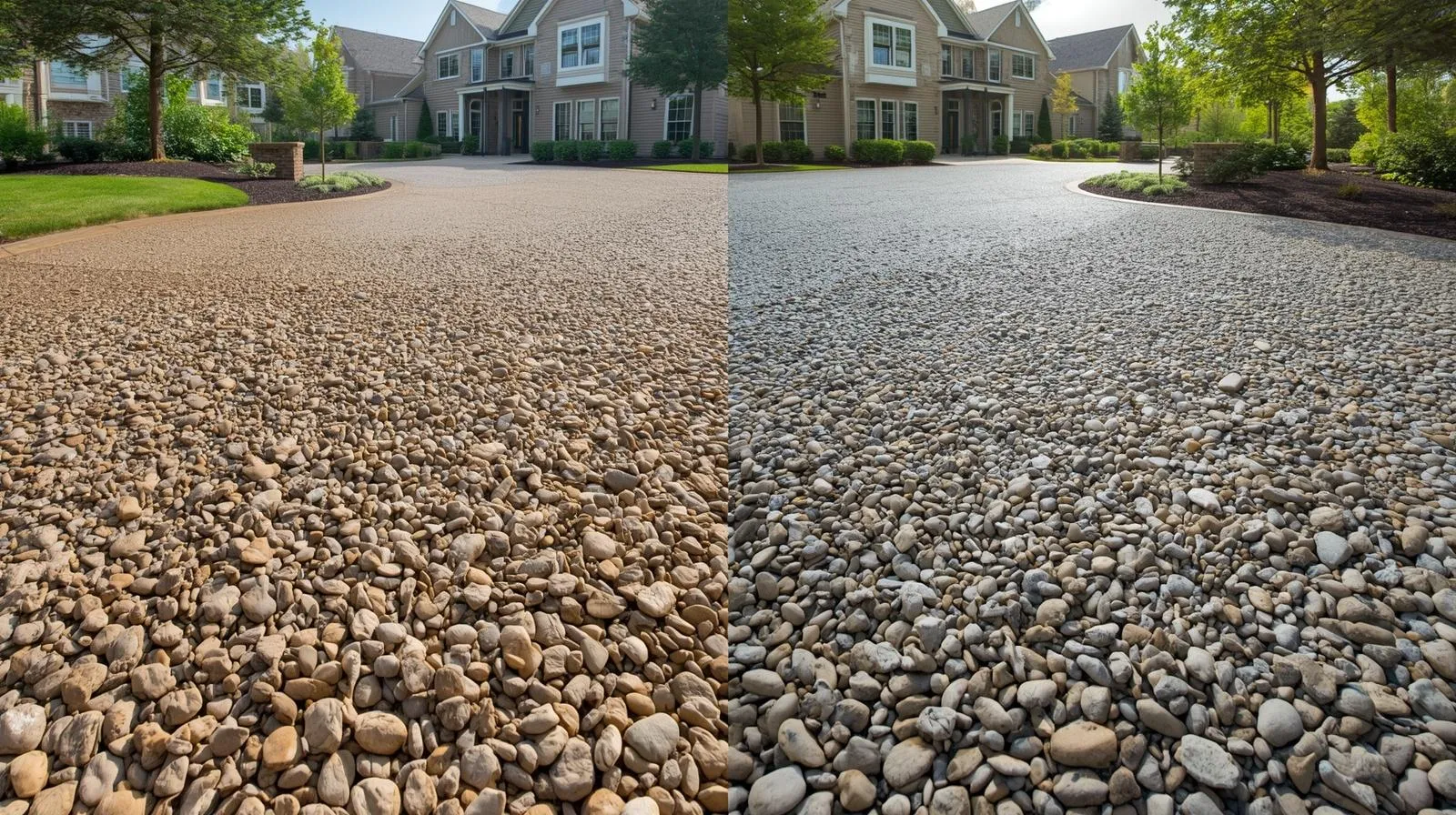
Gravel driveways are a budget-friendly and eco-friendly alternative to asphalt or concrete. They provide excellent drainage, preventing puddles and erosion, while base gravel or crushed stone ensures a stable foundation.
The top layer, often crushed with stone fines, compacts well to limit tire spinning. Gravel is easy to install and maintain, but it may create dust and make snow removal challenging. Regular raking and adding fresh gravel keep the surface firm and long-lasting.
What Makes Crushed Stone Ideal for Driveways
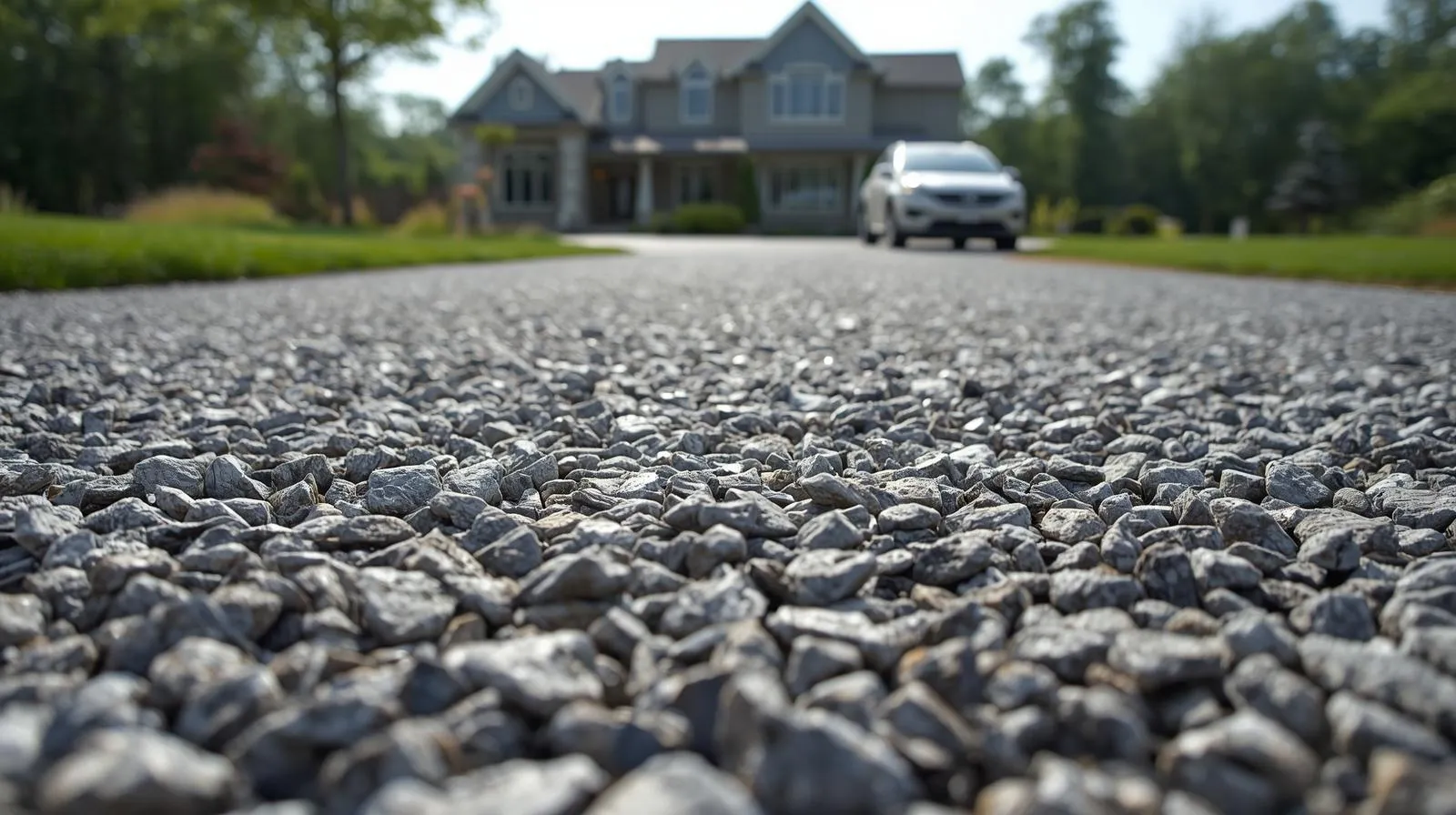
Crushed stone is ideal for driveways because its angular pieces lock together when compacted, forming a stable and durable surface. This interlocking reduces rutting, shifting and supports heavy loads. Its superior drainage prevents erosion, potholes, and water pooling better than smooth gravel. Crushed stone provides excellent traction, even in wet or icy conditions, making it safer for vehicles.
Common types like crusher run, quarry process, and 3/4" minus offer strong compaction and long-lasting durability. These stones resist wear from freeze-thaw cycles and daily traffic while requiring minimal maintenance.
Compared to asphalt or concrete, crushed stone is more cost-effective, versatile, and visually adaptable for different home styles. Its jagged structure makes it a perfect choice for rural driveways and high-traffic areas, ensuring longevity and stability.
Gravel vs Crushed Stone for Driveways: Complete Comparison
| Gravel | Crushed Stone |
| Naturally occurring with rounded edges, providing a soft, aesthetic look. | Manufactured with angular edges that interlock for superior stability. |
| Offers excellent drainage, allowing water to flow freely and preventing pooling. | Provides durability and traction, ideal for high-traffic and sloped driveways. |
| Easier to install and replace, making it good for DIY projects. | Requires proper compaction but forms a stable, load-bearing surface. |
| Often cheaper initially, but needs more maintenance like raking and replenishment. | Higher upfront cost, but long-lasting with lower maintenance over time. |
| Best for residential driveways, decorative paths, or areas prioritizing a natural look. | Best for commercial, high-traffic, or load-bearing driveway applications. |
| Can shift easily and scatter without proper edging. | Resists rutting, shifting, and handles freeze-thaw cycles effectively. |
| Common types: river rock, pea gravel. | Common types: crusher run, 3/4" crushed stone, quarry process. |
Difference Between Gravel and Crushed Stone for Driveways
| Feature | Gravel | Crushed Stone |
| Origin & Shape | Naturally occurring with rounded edges | Mechanically crushed with angular, sharp edges |
| Compaction & Stability | Shifts more easily; less stable under heavy traffic | Interlocks for high stability and compact surfaces, ideal for base layers |
| Drainage | Gaps allow excellent drainage, preventing water pooling | Compacts densely; reduces drainage slightly but increases load-bearing durability |
| Appearance | Natural, earthy tones, softer look | Color variety and uniform, industrial appearance |
| Cost & Maintenance | Usually cheaper, but needs raking, replenishment, and edging | Higher upfront cost, but offers long-lasting performance with lower maintenance |
| Best Uses for Driveways | Top layers, decorative driveways, and areas needing drainage | Foundation/base layers, heavy-use driveways, sloped surfaces |
| Durability | Provides drainage and aesthetic appeal, but may scatter over time | Resists rutting, shifting, and freeze-thaw cycles |
Gravel vs Crushed Stone Driveway Cost Breakdown
| Category | Gravel | Crushed Stone |
| Material Cost | ~$10–$50/ton or $15–$75/yard; includes pea gravel, natural decorative types | ~$20–$115/yard; crusher run, limestone, or premium stones like river rock |
| Delivery | $50–$400+, depending on minimum order | $50–$400+, depending on minimum order |
| Site Preparation | Excavation $1–$3/sq. ft., grading $0.50–$2/sq. ft., landscape fabric $0.25–$0.50/sq. ft. | Excavation $1–$3/sq. ft., grading $0.50–$2/sq. ft., landscape fabric $0.25–$0.50/sq. ft. |
| Labor Costs | Professional: $0.50–$8/sq. ft.; DIY saves cost | Professional: $0.50–$8/sq. ft.; less frequent maintenance required |
| Total Installed Cost | $1.50–$8/sq. ft.; single-car driveway: $75–$120 for pea gravel | $1.50–$8/sq. ft.; single-car driveway: $60–$105 for crusher run |
| Durability & Maintenance | Requires frequent raking, edging, and decorative, but may scatter | Superior compaction, resists rutting; ideal for structural bases |
| Cost Advantage | Lower initial cost, decorative appeal | Long-lasting, better load-bearing durability; crusher run offers a strong base |
| Best Use | Decorative top layer, light-use driveways, excellent drainage | Foundation/base layers, heavy-use driveways, sloped surfaces |
Which Is More Durable: Gravel or Crushed Stone for Driveways?
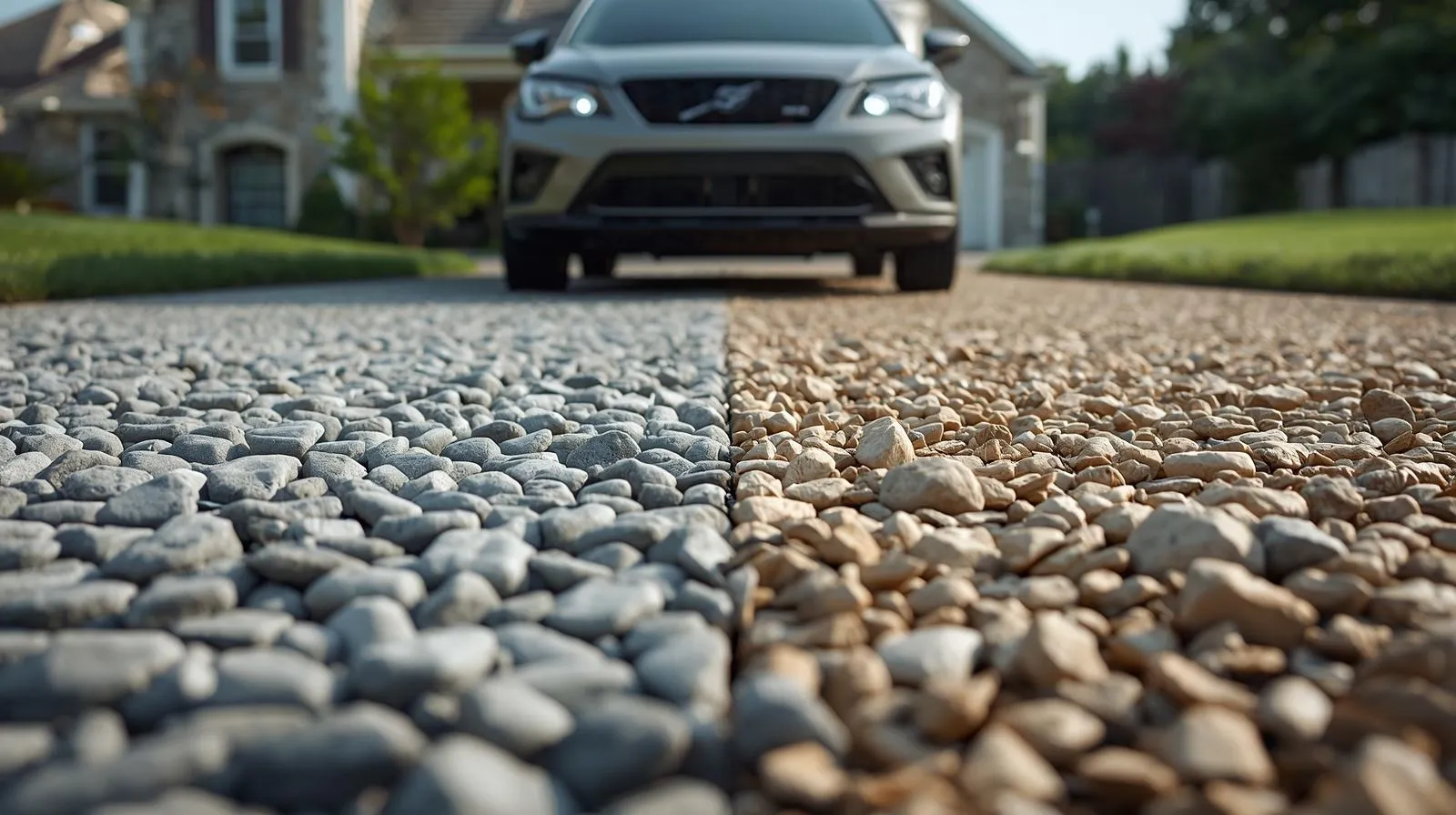
- Crushed Stone (Angular) has high durability due to sharp edges that interlock under pressure, forming a stable, load-bearing base.
- Ideal for heavy loads, high-traffic driveways, roads, and as a base for pavers.
- Performs well against erosion, rutting, and potholes, offering a firm, long-lasting surface.
- Crusher runs or mixes with fines compact like a rough asphalt surface, reducing shifting.
- Natural Gravel (Rounded) is less durable; stones shift and roll, forming ruts over time.
- Best for low-traffic areas, decorative driveways, and areas needing excellent drainage, like French drains.
- Offers superior water flow due to larger gaps, preventing pooling but requiring more maintenance.
- For a sturdy, low-maintenance driveway, choose crushed stone for base layers.
- In very wet locations, coarse gravel combined with crushed stone provides drainage with moderate durability.
- Gravel aggregate options are budget-friendly but need edging to stay contained.
- Crushed stone aggregates outperform gravel in long-term stability, making it preferred for high-load applications.
Maintenance Comparison of Gravel vs Crushed Stone Driveways
Crushed Stone Driveway Maintenance
- Stability: Very high; angular stones lock tightly when compacted, resisting shifting and displacement.
- Raking/Grading: Rarely needed; mainly to smooth fine dust or debris.
- Replenishment: Infrequent; material holds its position better over time.
- Challenges: Dust may accumulate, and weeds can grow if landscape fabric is missing.
- Snow Removal: Easier due to compacted, firm surface.
Gravel Driveway Maintenance
- Stability: Lower; rounded stones move easily, creating ruts and uneven surfaces.
- Raking/Grading: Frequent; required to push stones back into place.
- Replenishment: More frequent; top layer may need regular refilling.
- Challenges: Stones scatter, surfaces get messy, and depth varies over time.
- Snow Removal: Harder; plows and shovels easily displace stones.
Drainage Efficiency of Gravel vs Crushed Stone Driveways
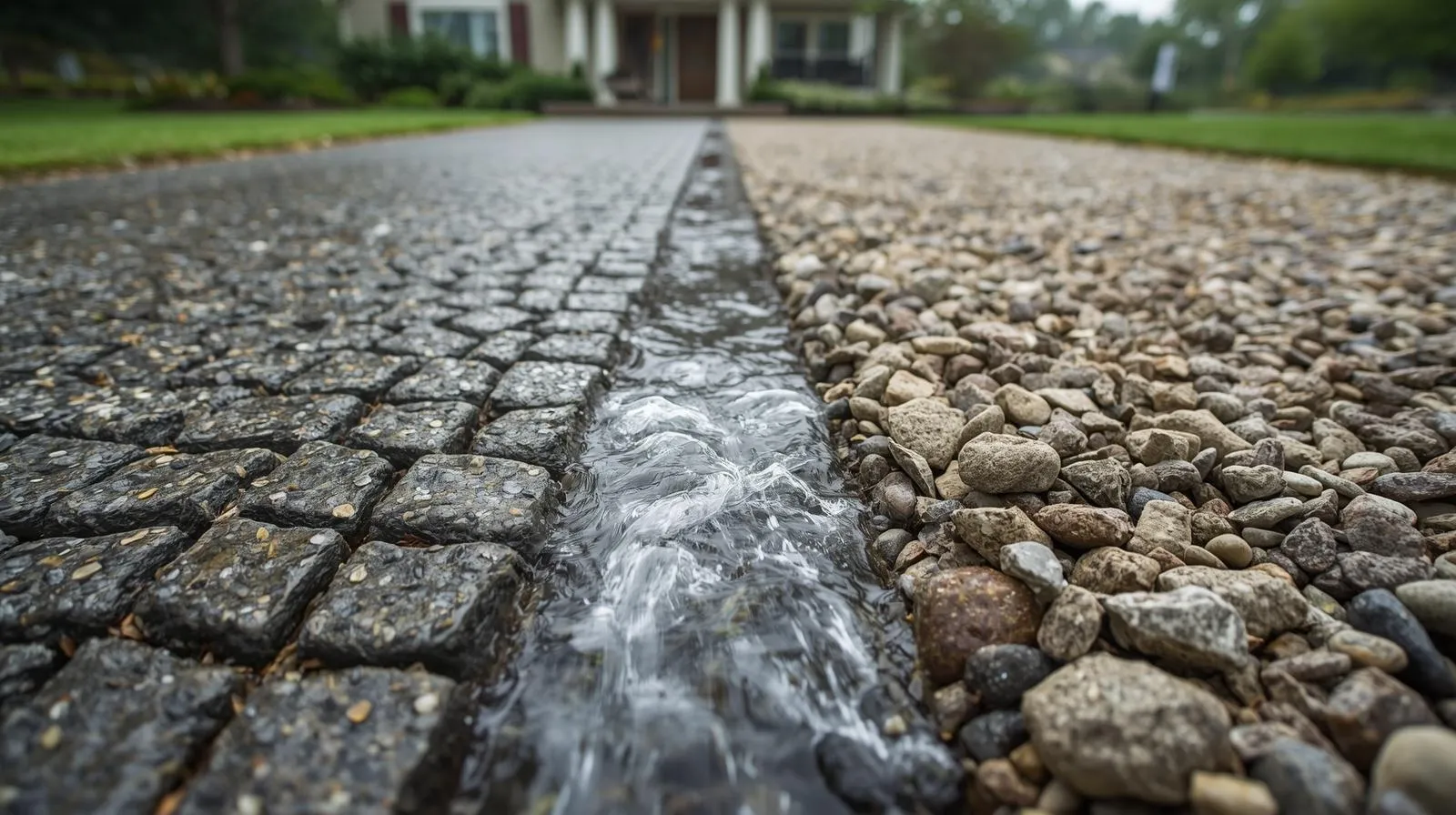
Gravel and crushed stone driveways differ in drainage efficiency due to their shape and compaction. Crushed stone has angular edges that lock together, providing a stable, durable surface for driveways, road bases, and heavy vehicles while allowing water to drain. Gravel, like Pea Gravel or River Rock, has rounded stones with larger gaps, offering superior water flow, making it ideal for French drains or decorative surfaces. Many driveways combine a crushed stone base with a gravel top layer to balance stability and fast drainage, choosing crushed stone for strength and gravel for maximum permeability.
Installation Process of Gravel vs Crushed Stone Driveways
- Mark & Clear: Outline the driveway, remove grass, topsoil, and rocks for a stable base.
- Excavate: Dig 4–8 inches to prepare a trench for the base material.
- Install Edging & Fabric: Use landscape edging and geotextile fabric to contain material and prevent weeds.
- Add Base Layer: Spread coarse aggregate like MOT Type 1 or crushed stone for stability and drainage.
- Add Top Layer: Lay gravel (e.g., pea gravel, river rock) or crushed stone in layers, compacting each layer.
- Shape & Compact: Grade the driveway with a crown for water runoff and compact thoroughly.
- Key Differences: Crushed stone locks together with angular edges for heavy traffic and durability; gravel is rounded, easier to walk on, decorative, but shifts more.
- Maintenance Tip: Proper base prep and fabric reduce future upkeep for both materials.
How Long Do Gravel vs Crushed Stone Driveways Last?
A crushed stone driveway lasts longer than a gravel driveway because its angular stones interlock, providing stability and less maintenance. Gravel, with its rounded stones, shifts more easily but drains water better. With proper upkeep, both can last years, but crushed stone is more durable for heavy use, while gravel is cheaper upfront and easier for minor repairs.
- Gravel Driveways: Last 10–15 years; frequent raking and topping off every 1–3 years.
- Gravel Characteristics: Rounded stones shift easily; excellent drainage.
- Crushed Stone Driveways: Last 8–12+ years; lower maintenance due to interlocking angular stones.
- Crushed Stone Characteristics: Uses limestone or granite; ideal for heavy loads and high traffic.
- Key Difference: Crushed stone = durability and stability; Gravel = drainage and budget-friendly.
- Long-Term Cost: Crushed stone is more cost-effective over time due to less frequent replacements.
Best Driveway Option for Heavy Vehicles: Gravel vs Crushed Stone
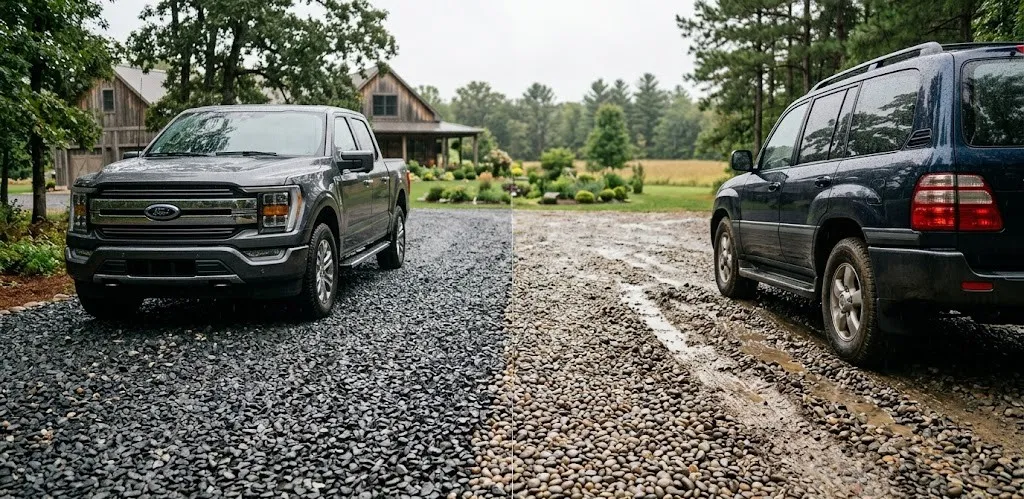
Crushed Stone (Heavy Vehicles)
- Angular edges lock together.
- Creates a stable, load-bearing surface.
- Resists rutting and shifting.
- Less maintenance is needed.
- Good for frequent heavy traffic.
Gravel (Heavy Vehicles)
- Rounded stones shift easily.
- Causes washboarding and depressions.
- Needs frequent raking and topping.
- Only good for low-traffic areas.
- Less durable under heavy loads.
Key Considerations
- A proper base with geotextile fabric is important.
- Crushed stone with fines gives maximum stability.
- Slightly higher cost, but long-term durability is better.
Weather Resistance of Gravel vs Crushed Stone Driveways
Crushed Stone:
- Resists freeze-thaw cycles, rain, erosion, and snow plowing.
- Durable in harsh climates; forms a firm base.
- Works best with dense base, compaction, and layering.
Gravel:
- Stones shift, prone to rutting and washouts.
- Requires frequent regrading; less weather-resistant.
- Suitable for decorative or low-traffic paths.
Safety and Traction: Gravel vs Crushed Stone for Driveways
Crushed Stone (Angular)
- Provides strong traction due to angular edges.
- Resists slipping in rain, snow, and ice.
- Maintains stability for heavy vehicles.
- Ideal for steep or high-traffic driveways.
- Performs better with proper compaction and a layered base.
Gravel (Rounded)
- Stones shift easily, reducing grip.
- Slippery under wet or icy conditions.
- Requires frequent raking/regrading.
- Best for decorative or low-traffic areas.
- Not suitable for heavy vehicles or steep slopes.
Repair and Resurfacing Needs of Gravel vs Crushed Stone Driveways
Gravel and crushed stone driveways need regular grading and re-crowning to fix potholes, ruts, and thinning spots efficiently. Gravel, with rounded stones, shifts easily, requiring frequent regrading and topping off to maintain a smooth, usable surface.
Crushed stone, like limestone, #411, or crusher run, compacts well, resists shifting, and needs less frequent resurfacing. Maintenance for both involves dragging, weed control, and adding material every 1–2 years in high-traffic areas.
Using geotextile fabric beneath the base improves stability, preventing migration and erosion under repeated vehicle loads. Occasional top coating restores depth, maintains proper drainage, and ensures longevity of both gravel and crushed stone surfaces.
Overall, crushed stone driveways offer stronger, longer-lasting performance with lower upkeep than rounded gravel driveways. Gravel driveways are easier to patch in small sections, making repairs simpler but requiring more frequent attention.
Environmental Impact of Gravel vs Crushed Stone for Driveways
- Permeability & Drainage: Both gravel and crushed stone allow water infiltration, reducing stormwater runoff and supporting groundwater recharge.
- Recycled Materials: Crushed concrete (RCA) diverts waste from landfills, lowering environmental burden compared to virgin stone.
- Processing Energy: Natural gravel requires less energy to process but quarrying can still disrupt ecosystems.
- Local Sourcing: Using locally sourced materials reduces transport emissions and lowers carbon footprint.
- Recyclability: Both materials are recyclable, with crushed concrete being a key example of sustainable reuse.
- Drainage Performance: Angular crushed stone provides stability but less void space; rounded gravel (pea gravel) drains quickly but can shift without edging.
- Environmental Advantages: Reduces heat island effect compared to concrete or asphalt.
- Best Practices: Prioritize recycled aggregates, ensure proper drainage, and consider permeable pavers or crushed shells.
- Durability vs Impact: Crushed stone offers long-term structural stability while minimizing repeated material extraction.
Pros and Cons of Gravel Driveways
Pros of Gravel Driveways
- Low Cost: Affordable compared to asphalt, concrete, or pavers.
- Easy Installation: Quick to lay with proper base preparation.
- Good Drainage: Allows water to seep naturally, preventing puddles.
- Eco-Friendly: Uses natural materials, reducing environmental impact.
- Good Traction: Provides grip in wet or snowy conditions.
- Customizable: Available in various types, colors, and sizes.
Cons of Gravel Driveways
- High Maintenance: Needs regular grading, topping, and weed control.
- Potholes & Ruts: Stones shift under traffic, causing depressions.
- Dust & Debris: Can create dust in dry weather and track dirt.
- Weed Growth: Weeds may sprout through thin gravel layers.
- Snow Removal Issues: Snowplows can displace gravel or throw rocks.
- Gravel Displacement: Moves easily under tires or heavy rain.
Pros of Crushed Stone Driveways
- Affordable: Lower material and installation cost than asphalt or concrete.
- Good Drainage: Permeable surface allows water to drain naturally, preventing runoff.
- Easy to Install: Simple DIY-friendly installation with proper base preparation.
- Great Traction: Angular stones provide excellent grip in wet or icy conditions.
- Environmentally Friendly: Can use recycled concrete or asphalt, reducing landfill waste.
- Durable & Repairable: With proper maintenance, can last decades; repairs involve adding more stone.
- Supports Loads: "Minus" mixes compact to form stable, hard surfaces for heavy vehicles.
- Aesthetically Versatile: Works well in rural or modern property designs.
Cons of Crushed Stone Driveways
- High Maintenance: Requires frequent raking, grading, and topping off with fresh stone.
- Potholes & Ruts: Loose stones may shift, creating dips or depressions.
- Dusty & Noisy: Can create dust in dry weather and noise under vehicle tires.
- Weeds: Stones can allow weed growth if fines wash out or edges aren’t maintained.
- Snow Removal Challenges: Pushing snow may displace stones or create bumpy surfaces.
- Stone Tracking: Loose stones can scatter onto lawns, walkways, or into homes.
How to Choose Between Gravel and Crushed Stone for Your Driveway
Choosing between gravel and crushed stone depends on driveway traffic, slope, maintenance, and the desired aesthetic for your property.
Crushed stone, like crusher run, interlocks with angular edges, giving stability, load-bearing strength, and resistance to ruts, ideal for bases.
Gravel, such as pea gravel, looks natural, drains well, and is comfortable to walk on, but shifts easily and needs raking.
Many use a combination: crushed stone for a firm base and gravel on top for appearance and drainage control.
Geotextile fabric under the base stabilizes soil and prevents erosion, while guides from Washington Rock Quarries, Inc. and Zimmerman Mulch help choose materials.
Conclusion
In conclusion, crushed stone is best for stability, heavy traffic, and slopes, while gravel offers aesthetic appeal and better drainage.
Combining both materials provides a durable, visually pleasing driveway, with crushed stone as a strong base and gravel on top for look and water management. Proper use of geotextile fabric and guidance from Washington Rock Quarries, Inc. or Zimmerman Mulch ensures long-lasting performance.
FAQs
Q1: Which is cheaper for driveways, gravel or crushed stone?
A: Gravel is generally cheaper upfront, but crushed stone can last longer, reducing long-term maintenance costs.
Q2: Is crushed stone better than gravel for driveways?
A: Yes, crushed stone offers superior stability, compaction, and load-bearing capacity, making it ideal for heavy traffic and slopes.
Q3: How long does a gravel driveway last?
A: With proper maintenance like grading and topping, a gravel driveway can last 15–30 years depending on traffic and weather.
Q4: Does crushed stone require less maintenance than gravel?
A: Generally yes; its angular, interlocking stones shift less, requiring less frequent regrading and replenishment than gravel.
Q5: Which is better for drainage: gravel or crushed stone?
A: Both drain well, but gravel often allows slightly faster water flow due to its rounded shape, while crushed stone provides stability.
Q6: Can gravel or crushed stone handle heavy vehicles?
A: Crushed stone, especially crusher run or road base, handles heavy vehicles better because it compacts firmly and resists ruts.