Best Ground Cover Plants for 2026 | Low-Maintenance, Weed-Free, and Eco-Friendly
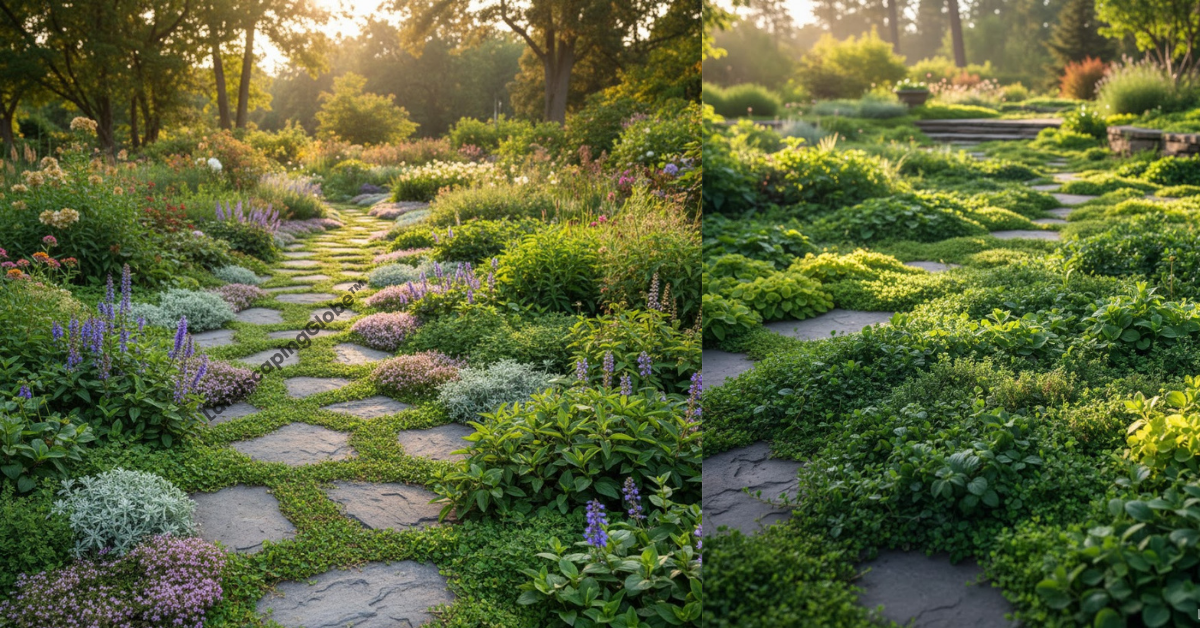
Ground cover plants are low-growing, rapidly spreading perennials or shrubs that blanket soil, creating dense living mats. They act as living mulch, suppress weeds, retain soil moisture, and prevent erosion on slopes, rocky areas, or shade spots.
These plants thrive where turfgrass fails, offering low-maintenance alternatives that add texture, color, and seasonal interest to any garden. Popular types include evergreen, deciduous, vining, and mounding groundcovers, spreading through stolons, rhizomes, or stems.
Common examples are Sedum, Creeping Thyme, Vinca minor, Ajuga, Breckland thyme, Bugleweed, Dwarf lilyturf, and Woodruff. Importance lies in: erosion control on slopes, weed suppression, water conservation, and soil health improvement.
They thrive where grass won't, such as dry areas, heavy shade, or under trees, adding biodiversity and supporting pollinators. Selection is key: avoid species that spread too fast or cannot tolerate foot traffic. Proper choice ensures a sustainable, healthy cover.
Benefits of Ground Cover Plants in Garden Landscaping
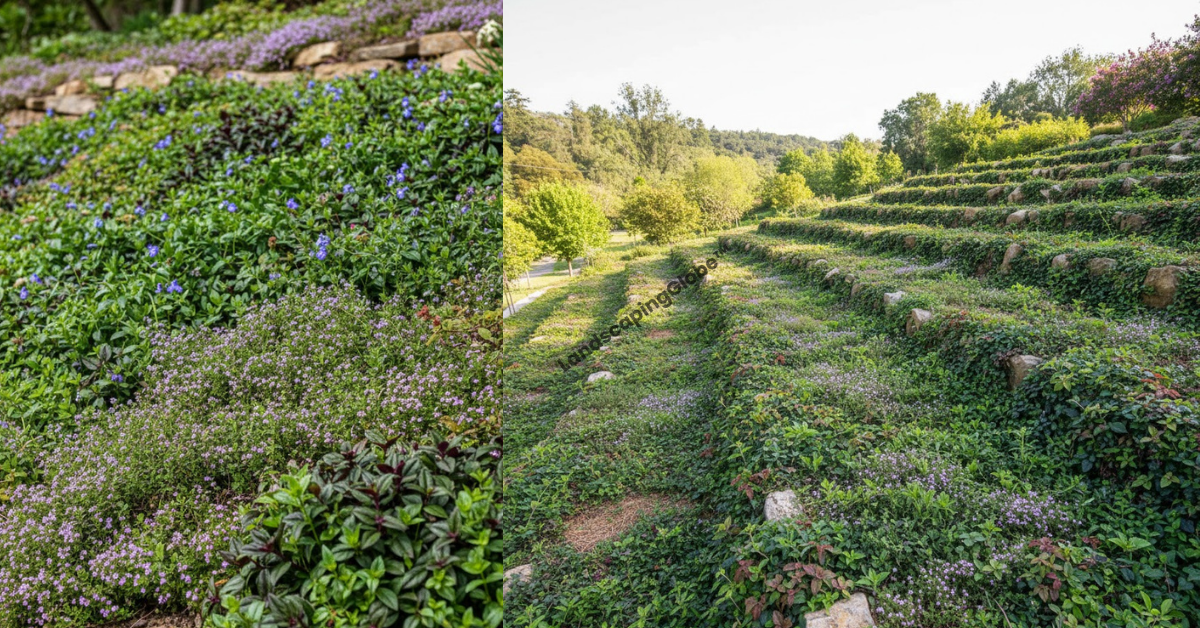
Ground cover plants are low-maintenance, eco-friendly perennials, shrubs, or vines that enhance garden landscaping naturally. They suppress weeds by forming a dense living blanket that competes for light, nutrients, and space.
These plants prevent soil erosion on slopes, banks, or runoff-prone areas by stabilizing soil with their root systems. Ground covers act as living mulch, retaining soil moisture, reducing evaporation, and regulating soil temperature in sunny or dry spots.
They reduce maintenance needs as a no-mow alternative to turfgrass, saving water, fertilizers, and pesticides. Aesthetic benefits include adding texture, color, soft edges, and seasonal interest while filling awkward spaces in the garden.
Common applications are slope stabilization, covering shady areas, and softening pathways or borders with evergreen, creeping, or low-height perennials.
How to Choose the Best Ground Cover Plants for Your Garden
- Match ground cover plant species to your garden’s light, soil, and moisture conditions.
- Consider traffic tolerance and maintenance needs for long-lasting success.
- Use evergreen groundcovers for year-round coverage and creepers to fill empty spaces quickly.
- Prioritize native plants like Common Violets, Virginia Creeper, or White Wood Asters for low-maintenance gardening.
- Select sun-loving Sedum, Creeping Phlox, or Ice Plant for full-sun areas.
- Choose shade-tolerant Hostas, Ferns, Lamium, or Barrenwort (Epimedium) for shady spots.
- Match soil type and moisture: Beach Strawberry prefers dry, sandy soil, others thrive in moist clay.
- Pick high-traffic tolerant plants like Creeping Thyme; use Moss for low-traffic decorative spots.
- For slopes, use plants with strong root systems, such as Ajuga or Creeping Juniper, to prevent soil erosion.
Best Ground Cover Plants for Sunny Areas
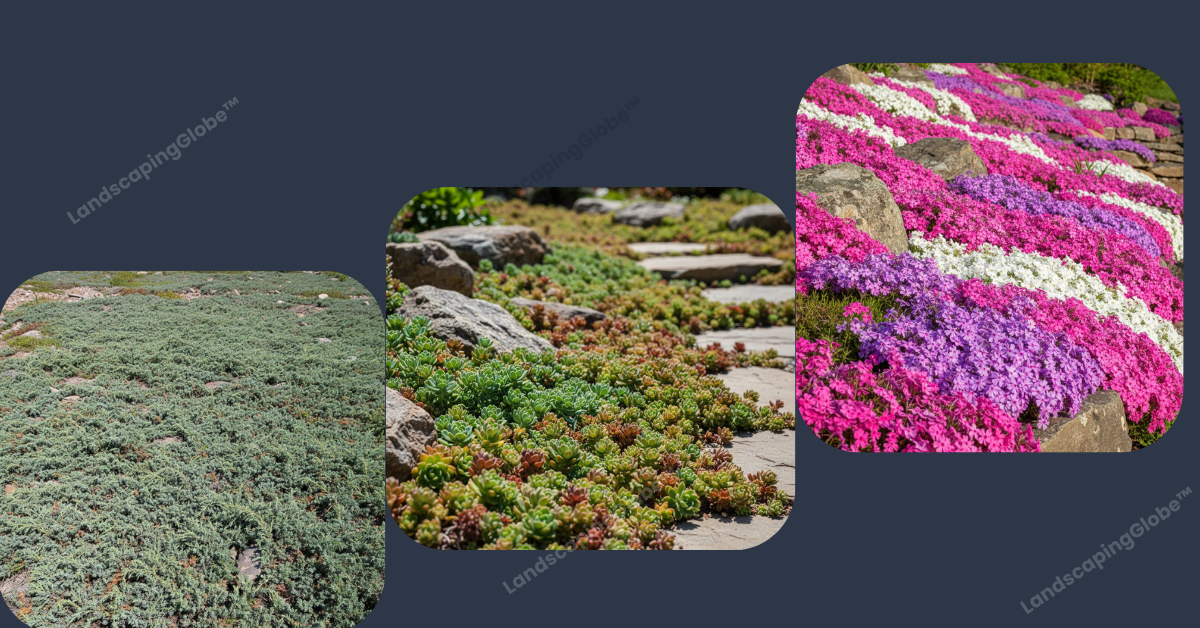
- Creeping Phlox (Phlox subulata): Forms dense mats, colorful flowers, ideal for slopes and rock gardens.
- Juniper (Juniperus horizontalis): Hardy, evergreen, spreads widely, perfect for sunny slopes and large areas.
- Stonecrop (Sedum spp.): Succulent, drought-tolerant, thrives in hot, dry spots and rock gardens.
- Lamb’s Ears (Stachys byzantina): Fuzzy grey-green leaves, heat-loving, soft texture for sunny borders.
- Dianthus: Pink or red blooms, deer-resistant, grows well in rocky sunny locations.
- Creeping Thyme (Thymus spp.): Fragrant, low-growing, evergreen, tolerates full sun and dry soil.
- Ice Plant (Delosperma): Succulent, vibrant flowers, thrives in well-drained sunny areas.
- Bearberry (Arctostaphylos uva-ursi): Native evergreen, spreads easily, has red berries, and fits dry sunny gardens.
- Candytuft (Iberis): Evergreen, fragrant flowers, deer-resistant, perfect for sunny garden edges.
- Golden Oregano (Origanum vulgare): Edible, aromatic, drought-tolerant, great for sunny borders and pathways.
Best Ground Cover Plants for Shady Areas
- Hostas: Broad green leaves, shade-tolerant, adds texture and color under trees or shaded borders.
- Ferns: Lush, feathery foliage, thrives in low-light areas and moist soil, perfect for woodland gardens.
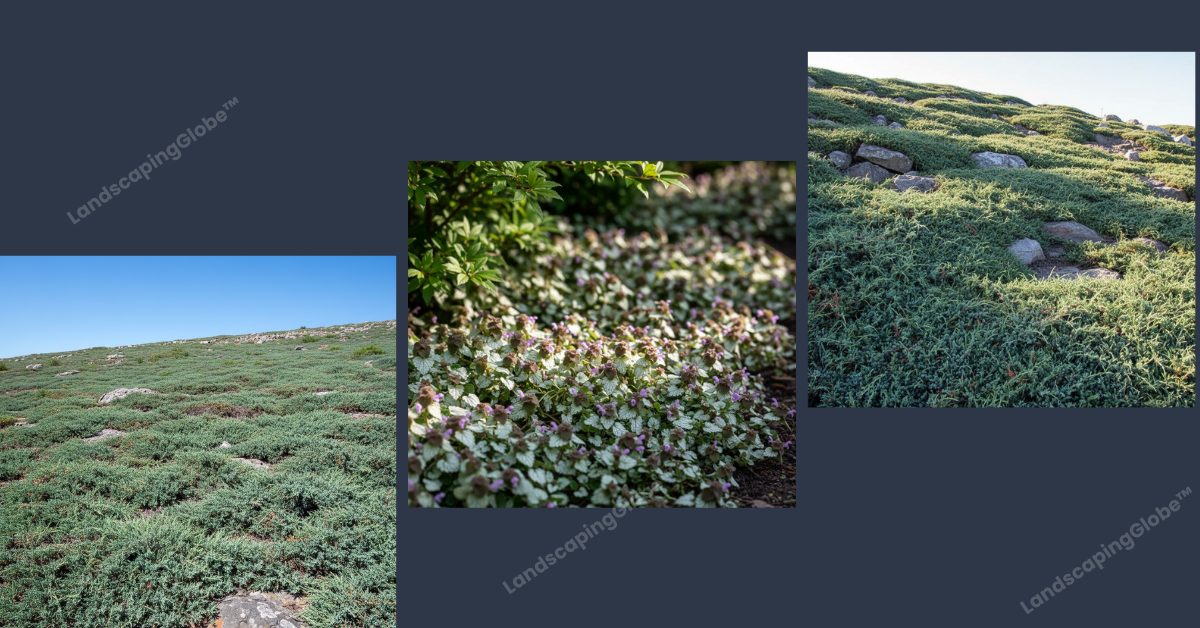
- Lamium: Variegated leaves, low-growing, spreads fast in shady beds or garden edges.
- Sweet Woodruff (Galium odoratum): Fragrant white flowers, thrives in dense shade, ideal as ground cover under shrubs.
- Bugleweed (Ajuga reptans): Evergreen, purple-blue flowers, spreads quickly in shady lawns or pathways.
- Vinca Minor (Periwinkle): Evergreen, glossy leaves, violet flowers, perfect for shade and woodland slopes.
- Barrenwort (Epimedium): Heart-shaped leaves, shade-loving, delicate flowers, ideal for rocky, low-light areas.
- Wild Ginger (Asarum canadense): Low-growing, deep green leaves, thrives in woodland shade and moist soils.
- Japanese Pachysandra (Pachysandra terminalis): Evergreen, dense mat, excellent for full shade under trees.
- Liriope (Liriope spicata): Grass-like leaves, purple flower spikes, tolerates shade and foot traffic in garden paths.
Low-Maintenance Ground Cover Plants for Busy Gardeners
- Creeping Phlox (Phlox subulata): Low-growing, fast-spreading, ideal for sunny slopes and paths, adds spring color with minimal care.
- Vinca Minor (Periwinkle): Evergreen, shade-tolerant, creates a lush carpet in shady or difficult garden areas.
- Sedum / Stonecrop: Hardy, succulent-like, drought-resistant, perfect for sunny, dry spots and low-water gardens.
- Creeping Thyme (Thymus serpyllum): Fragrant, mat-forming, thrives in paths or sunny borders, low maintenance,e and deer-resistant.
- Creeping Juniper (Juniperus horizontalis): Evergreen, drought-tolerant, excellent for slope stabilization and erosion control.
- Hostas: Shade-loving, low-care perennial, adds texture and color under trees or shaded beds.
- Lamium (Deadnettle): Variegated leaves, spreads easily, ideal for shaded spots with poor soil.
- Hardy Ice Plant (Delosperma): Succulent, vibrant flowers, thrives in hot, sunny areas, requires minimal water.
- Sweet Woodruff (Galium odoratum): Fragrant, shade-tolerant, creates soft carpet in woodland gardens or under shrubs.
- Drift Roses & Mazus: Low-growing, hardy, flowering ground covers for colorful, low-maintenance landscapes.
Fast-Growing Ground Cover Plants for Quick Garden Coverage
For gardeners seeking fast-growing ground cover plants, several options provide quick coverage and reduce weeds. Creeping Phlox (Phlox subulata) creates colorful mats in sunny areas and slopes, while Creeping Thyme (Thymus serpyllum) forms fragrant, dense mats ideal for pathways and rock gardens.
Bugleweed (Ajuga) thrives in part shade, and Vinca Minor (Periwinkle) spreads efficiently in shady spots. Sedum (Stonecrop) offers drought-tolerant coverage in dry, sunny areas, and Creeping Jenny (Lysimachia nummularia) brightens borders with chartreuse leaves.
Mazus fills small gaps quickly, and Creeping Juniper (Juniperus horizontalis) stabilizes slopes. These rapidly spreading ground covers help gardeners achieve lush, low-maintenance, and visually appealing spaces quickly.
Evergreen Ground Cover Plants for Year-Round Greenery
- Creeping Juniper (Juniperus horizontalis): Hardy, evergreen, perfect for slopes and sunny areas.
- Vinca Minor (Periwinkle): Thrives in shade, forms lush, low-maintenance carpets.
- Bearberry (Arctostaphylos uva-ursi): Native, drought-tolerant, adds red berries.
- Japanese Pachysandra: Dense dark green carpet, suppresses weeds effectively.
- Sweet Woodruff: Shade-loving, fragrant, adds texture in cool areas.
- Year-round greenery: Keeps gardens lively through all seasons.
- Low-maintenance: Minimal watering, pruning, or care needed.
- Soil protection: Helps prevent erosion on slopes and bare patches.
- Pollinator-friendly: Supports beneficial insects in shady and sunny spots.
- Multi-use: Ideal for borders, under trees, and filling empty garden spaces.
Flowering Ground Cover Plants for a Colorful Garden
- Creeping Phlox (Phlox subulata): spring blooms in pink, purple, and white for sunny slopes.
- Dianthus: fragrant pink/red flowers, deer-resistant, ideal for rock gardens.
- Candytuft (Iberis): quick-spreading white flowers, evergreen base.
- Ice Plant (Delosperma): succulent leaves with vibrant flowers for dry, sunny spots.
- Bugleweed (Ajuga): shade-loving, rich blue/purple blooms, fills gaps fast.
- Nepeta (Dwarf Catmint): lavender flowers, attracts pollinators.
- Common Strawberry (Fragaria virginiana): tiny white flowers, edible and spreading.
- Geranium 'Rozanne': long-blooming, hardy, adds continuous color.
- Golden Oregano (Origanum vulgare): sun-loving, edible, with vibrant blooms.
- Layered Colors: combining these plants creates year-round color, texture, and biodiversity.
Ground Cover Plants That Help Prevent Weeds
Ground cover plants like Creeping Thyme, Vinca Minor, Ajuga, and Creeping Phlox prevent weeds by forming dense mats naturally. Acting as living mulch, they conserve soil moisture, reduce herbicide needs, and add texture, color, and seasonal interest. Fast-spreading plants like Sedum and Nepeta suppress weeds while attracting pollinators and beneficial insects, supporting garden biodiversity. Choosing the right sun-loving or shade-tolerant species ensures coverage, minimal maintenance, and practicality for busy gardeners or large landscapes.
Best Ground Cover Plants for Slopes and Erosion Control
- Creeping Juniper (Juniperus horizontalis): Evergreen, deep-rooted, perfect for sunny, rocky slopes to prevent soil erosion.
- Pachysandra terminalis (Japanese Spurge): Shade-tolerant, low-maintenance ground cover, ideal for stabilizing shaded hillsides.
- Vinca Minor (Periwinkle): Dense, fast-spreading mat that anchors soil, excellent for shade slopes.
- Sedum (Stonecrop): Drought-tolerant succulent for sunny, dry inclines, reducing water runoff and erosion.
- Creeping Phlox (Phlox subulata): Flowering ground cover that stabilizes soil and adds vibrant spring color.
- Creeping Rosemary: Aromatic, drought-resistant ground cover, helping prevent soil washout on slopes.
- Big Blue Lilyturf (Liriope muscari): Grass-like, clumping plant that retains soil on slopes and adds texture.
- Mondo Grass & Native Sedges: Functional, low-growing ground covers that provide dense coverage and stabilize soil.
- Dichondra Repens & Green Carpet Herniaria Glabra: Quick-spreading, hardy plants for fast coverage and effective erosion prevention.
Native Ground Cover Plants for Sustainable Gardening
- Virginia Creeper: Fast-growing, hardy native ground cover that supports local ecosystems and pollinators.
- Common Violet: Shade-tolerant, low-maintenance ground cover providing beautiful blooms while enriching the soil naturally.
- White Wood Asters: Flowering native plants that attract bees and butterflies, enhancing biodiversity in your garden.
- Wild Ginger (Asarum canadense): Evergreen, low-growing ground cover perfect for shady, sustainable landscapes.
- Bearberry (Arctostaphylos uva-ursi): Drought-tolerant, evergreen native plant that stabilizes soil on slopes.
- American Hellebore: Perennial, shade-loving ground cover contributing to ecosystem health.
- Prairie Dropseed: Grass-like native plant suitable for sunny areas, reducing maintenance and water use.
- Lobelia cardinalis: Flowering, native ground cover that supports pollinators and wet soil zones.
- Blue Star Creeper (Isotoma fluviatilis): Low-growing, spreading ground cover ideal for paths and sustainable lawns.
- Switchgrass (Panicum virgatum): Deep-rooted native grass that prevents erosion and strengthens soil structure.
Ground Cover Plants That Attract Bees and Butterflies
- Bee Balm (Monarda didyma): Colorful, aromatic perennial loved by butterflies and bees.
- Lavender (Lavandula spp.): Drought-tolerant ground covered with fragrant flowers that attract bees.
- Sedum/Stonecrop (Sedum spp.): Succulent ground cover producing nectar-rich flowers for butterflies.
- Nepeta (Catmint/Dwarf Catmint): Purple-flowered ground cover ideal for pollinator gardens.
- Borage (Borago officinalis): Spreading herbaceous ground cover that is highly attractive to bees.
- Vinca Minor (Periwinkle): Evergreen ground cover that blooms and provides food for butterflies.
- Wild Strawberry (Fragaria virginiana): Spreading, flowering ground cover that supports pollinators.
- Coreopsis (Tickseed): Bright yellow blooms on ground cover plants that lure bees and butterflies.
Final Thoughts:
Choosing the right ground cover plants transforms gardens, offering beauty, practicality, and ecological benefits for sustainable and vibrant landscapes. From low-maintenance, sun-loving, shade-tolerant, flowering, and evergreen varieties, these plants prevent weeds, control erosion, and stabilize slopes effectively.
Incorporating native species ensures sustainability, while placing ground covers along borders, pathways, and slopes enhances both aesthetics and functionality. Selecting the best-suited ground covers for your garden conditions creates a lush, vibrant, and eco-friendly landscape thriving year-round with minimal effort.
FAQs
H3: What are the easiest ground cover plants to grow?
Answer: Creeping thyme, Ajuga, and Vinca minor are very easy to grow and require minimal care.
H3: Can ground cover plants grow in full shade?
Answer: Yes, plants like Pachysandra, Periwinkle, and Ajuga thrive in shady areas.
H3: How fast do ground cover plants spread?
Answer: Fast-growing varieties like Creeping Jenny or Sedum can cover a space within a season.
H3: Do ground cover plants prevent weeds?
Answer: Yes, dense ground cover plants block sunlight, reducing weed growth naturally.
H3: Which ground cover plants are drought-tolerant?
Answer: Sedum, creeping thyme, and ice plants survive well in dry conditions.