

How to Select Aquaculture Equipment for Large-Scale Farms
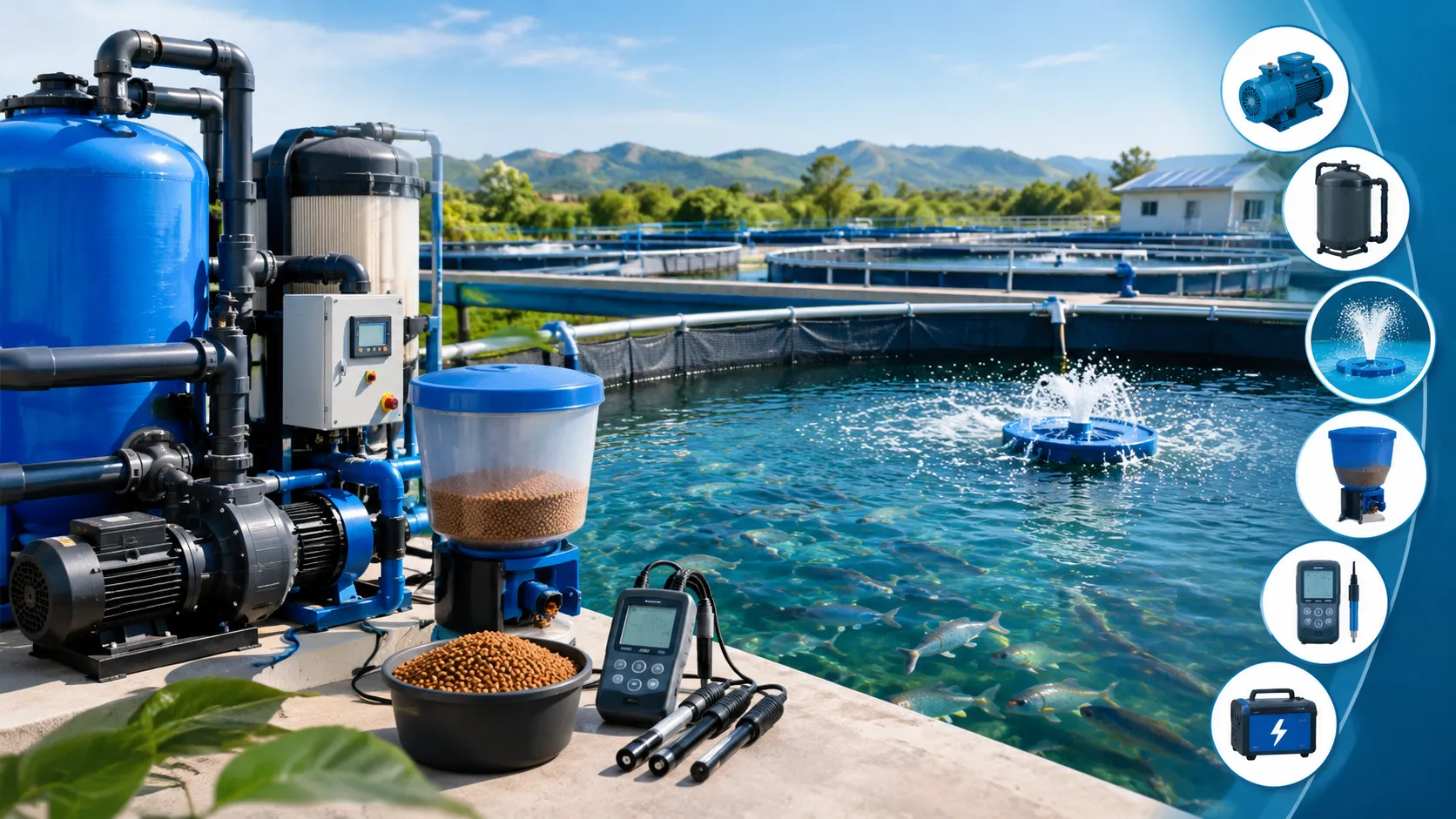
Selecting the right aquaculture equipment is one of the most important decisions when developing a large-scale fish farming project. Whether you are planning a commercial fish farm, an indoor aquaculture facility, a recirculating aquaculture system (RAS), or a large pond-based operation, the equipment you choose directly affects fish health, water quality, production efficiency, operating costs, and long-term profitability.
Modern aquaculture depends on several interconnected systems, including fish tanks, water pumps, filtration units, aeration equipment, automatic fish feeders, and water quality monitoring devices. Every component must work efficiently to maintain suitable conditions for fish growth and minimize unnecessary waste.
However, selecting equipment is not simply about purchasing powerful machinery or choosing the cheapest available products. A successful project requires equipment that matches the fish species, stocking density, farm capacity, water supply, environmental conditions, energy availability, and future expansion plans.
This guide explains how to select aquaculture equipment for a large-scale project, covering essential machinery, system design, filtration, oxygenation, automation, equipment costs, and supplier selection. By understanding these factors, fish farmers and aquaculture investors can make informed decisions and build a reliable, efficient, and scalable fish farming operation.
Essential Aquaculture Equipment for Large-Scale Fish Farming Projects
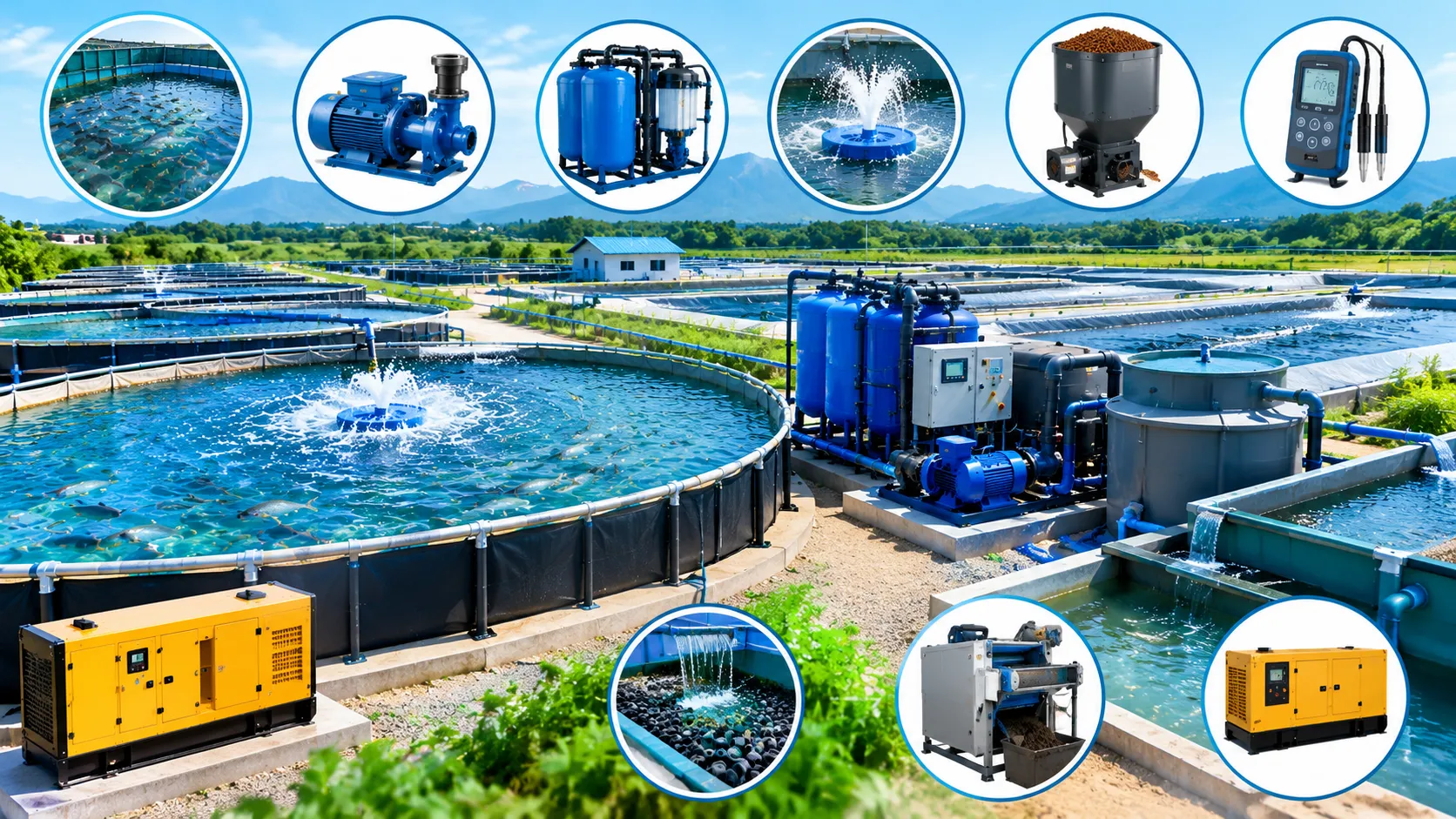
Large-scale fish farming requires a combination of equipment to support fish growth, maintain water quality, manage waste, and ensure consistent production. Each component has a specific purpose, and its performance can influence the efficiency of the entire farm.
The essential equipment depends on whether the facility uses earthen ponds, concrete tanks, fiberglass tanks, cages, raceways, or a recirculating aquaculture system. Nevertheless, most commercial operations require several basic categories of equipment.
- Fish tanks and pond systems: Provide a suitable environment for fish production.
- Water pumps: Move water between tanks, filters, reservoirs, and treatment units.
- Filtration systems: Remove suspended solids and other waste from the water.
- Aeration and oxygenation equipment: Maintain adequate dissolved oxygen levels.
- Automatic fish feeders: Deliver feed consistently and reduce labor requirements.
- Water quality monitoring devices: Measure dissolved oxygen, temperature, pH, and other important parameters.
- Biofilters: Support beneficial bacteria that convert toxic ammonia into less harmful nitrogen compounds.
- Waste management equipment: Collect sludge and manage solid waste generated during production.
- Backup power systems: Keep critical equipment operating during electricity interruptions.
When selecting these components, consider the farm's maximum production capacity rather than its initial stocking level. Equipment that performs adequately for a small batch of fish may become insufficient when biomass increases.
It is also important to evaluate compatibility between components. For example, a high-capacity pump will not deliver the expected performance if the pipes are undersized or the filtration system creates excessive resistance. Similarly, aeration equipment must provide sufficient oxygen for the fish biomass and the biological processes occurring in the system.
A complete equipment plan should therefore be developed before purchasing individual machines. This approach helps prevent expensive design changes and creates a more reliable production environment.
Factors to Consider When Selecting Aquaculture Equipment
Choosing aquaculture equipment for a commercial project requires more than comparing prices and specifications. Farmers must evaluate biological requirements, engineering performance, operating expenses, and the availability of technical support.
Fish species and production goals
Start by identifying the species you intend to raise, such as tilapia, carp, catfish, trout, or salmon. Different species have different temperature preferences, oxygen requirements, growth rates, and stocking-density limits. Equipment should support the biological needs of the selected species throughout its production cycle.
Farm capacity and stocking density
Calculate the expected standing biomass, which represents the total weight of fish present in the system at a given time. Pumps, aeration units, filters, and oxygenation systems should be sized for peak biomass and feed loading, not simply the number of fish initially stocked.
Water availability and quality
Assess the source water for temperature, pH, dissolved oxygen, suspended solids, salinity where relevant, and potential contaminants. Groundwater, surface water, and municipal supplies can require different treatment methods before entering the production system.
Energy consumption
Water pumps, blowers, heaters, chillers, and oxygen generators may consume substantial amounts of electricity. Compare energy efficiency, expected operating hours, maintenance requirements, and local electricity costs before making a decision.
Material quality and corrosion resistance
Aquaculture equipment operates in wet environments and may be exposed to saltwater, disinfectants, and continuous water movement. Suitable materials can include food-grade plastics, fiberglass-reinforced plastic, stainless steel, and corrosion-resistant coatings, depending on the application.
Installation and technical support
Choose equipment that can be installed, serviced, and repaired using available local expertise. Access to replacement parts and trained technicians is particularly important for large farms where equipment failure can cause substantial losses.
Finally, prepare a written specification for every major component. It should include capacity, operating conditions, energy requirements, materials, warranty terms, spare parts, and expected service life. Comparing suppliers against the same specification makes procurement more transparent and helps identify equipment that offers genuine long-term value.
Types of Aquaculture Systems for Commercial Fish Farming
The aquaculture system you choose determines which equipment you need, how much water you must manage, and how much control you have over the growing environment. Selecting the right system at the beginning can reduce operating costs and simplify future expansion.
Pond-Based Aquaculture
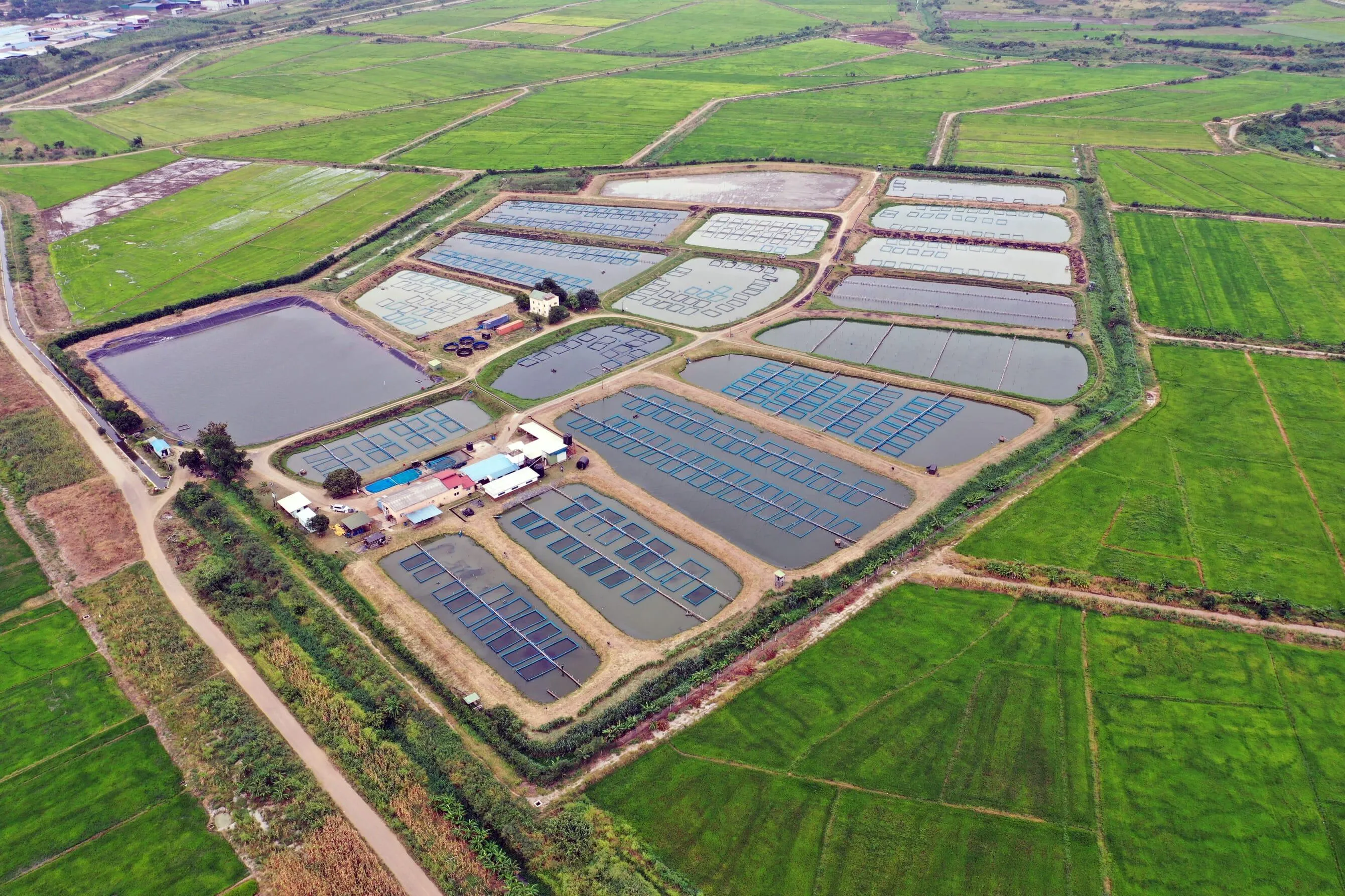
Pond systems use earthen or lined ponds to raise fish in outdoor environments. They are commonly used for tilapia, carp, and catfish farming. Essential equipment may include paddlewheel aerators, water pumps, pond liners, feeding equipment, and water testing kits. Pond farms can be economical where land and suitable water are readily available.
Recirculating Aquaculture Systems (RAS)
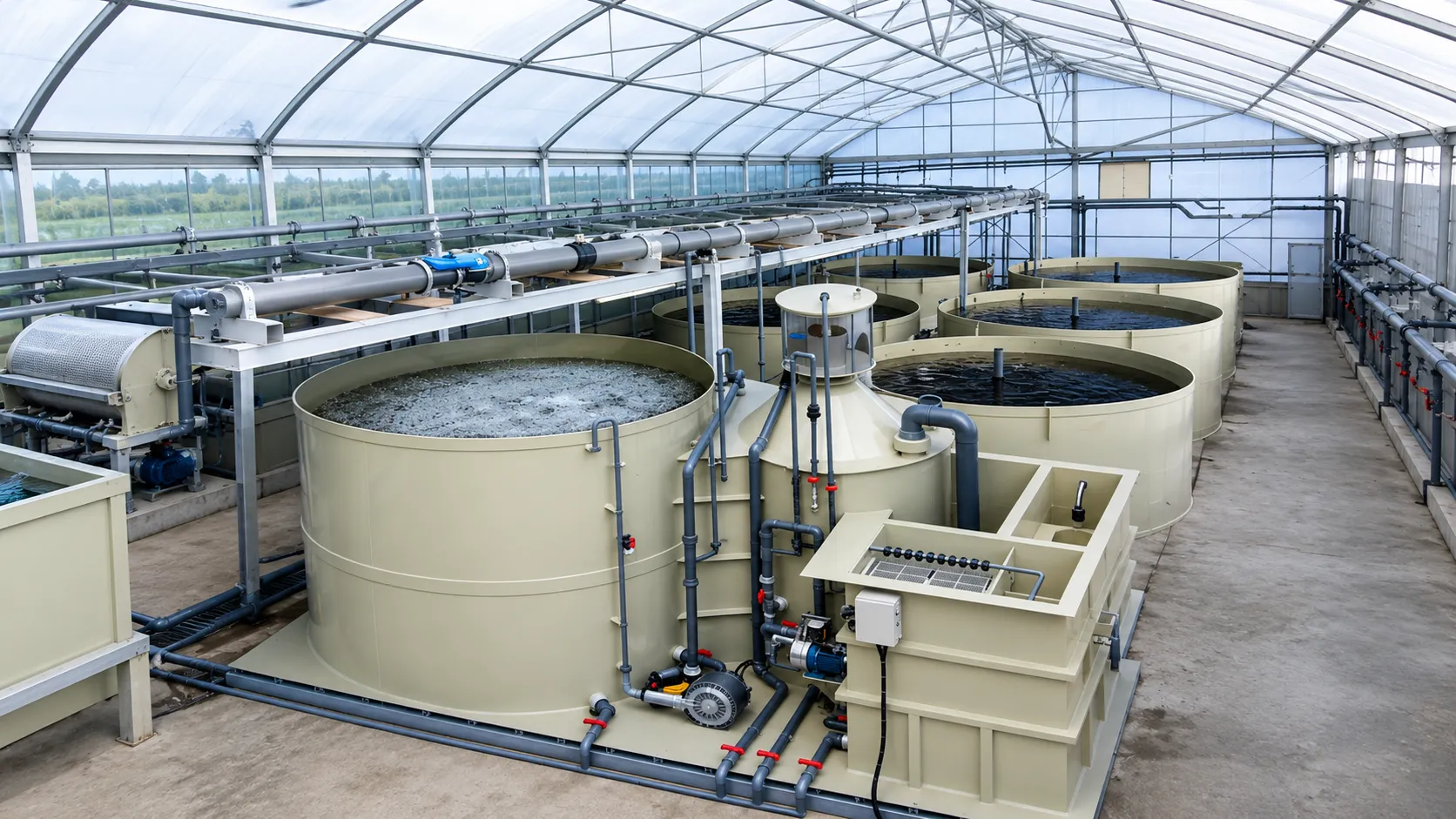
RAS facilities reuse treated water through mechanical filtration, biological filtration, aeration or oxygenation, and other water treatment processes. They offer greater environmental control and can reduce water consumption, but require careful engineering, reliable electricity, and continuous monitoring.
Raceway Aquaculture Systems
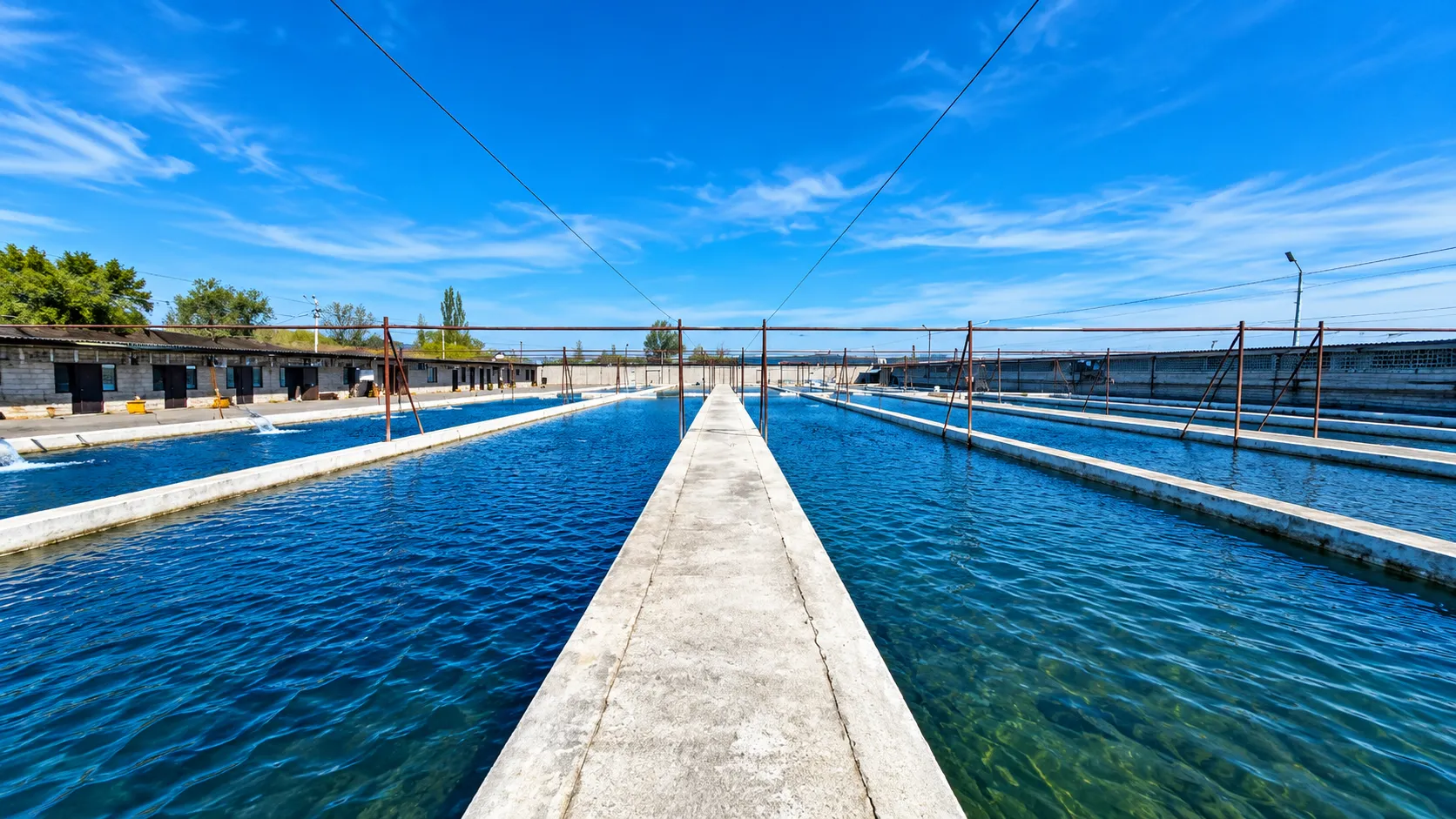
Raceways move water through long channels containing fish. They are often used for species that benefit from continuous water exchange. Their design requires reliable water flow, effective oxygen management, suitable drainage, and a dependable water source.
Cage Aquaculture Systems
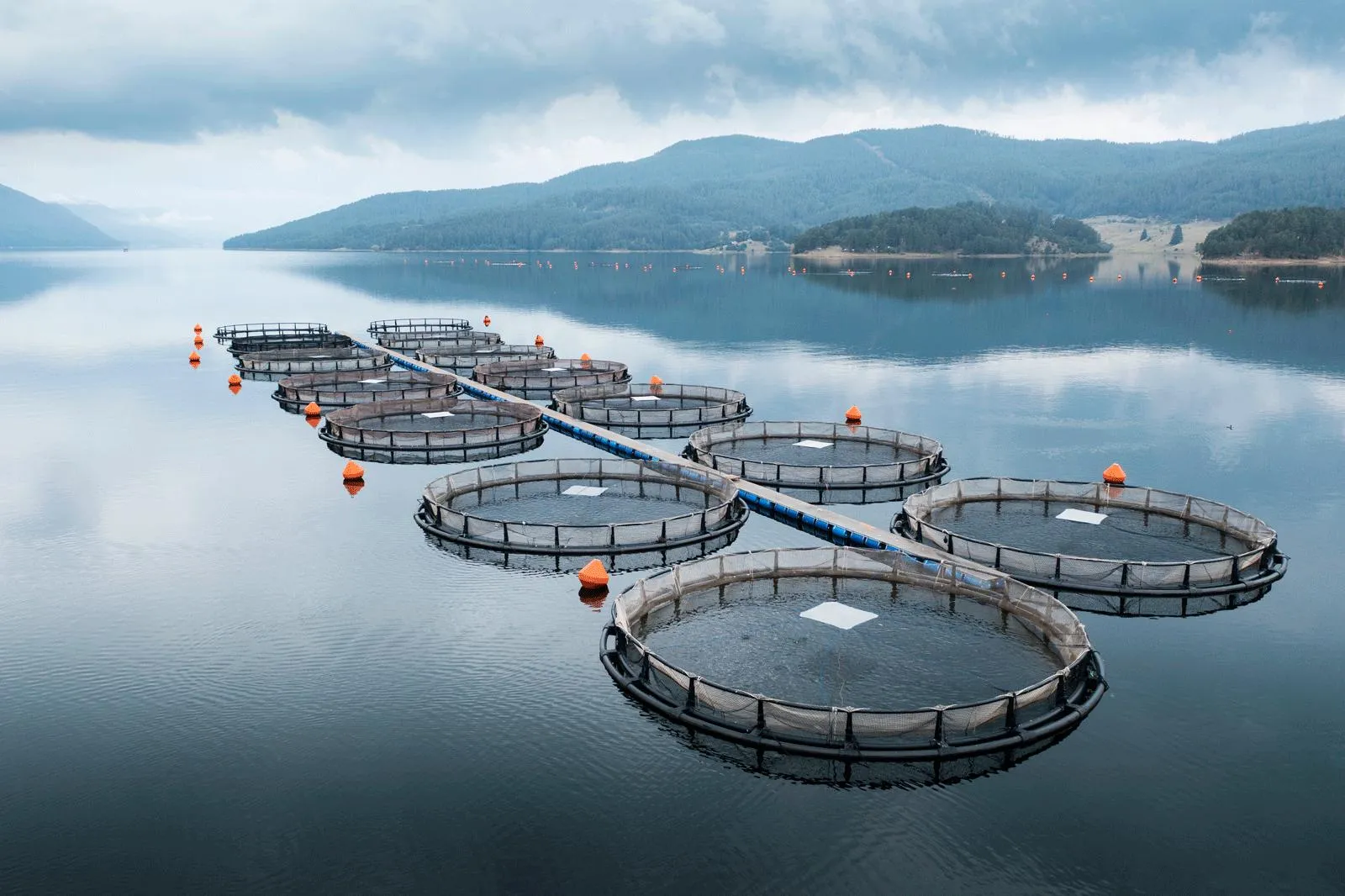
Cage farming raises fish in net enclosures placed in suitable lakes, reservoirs, or marine environments. Important equipment includes nets, cage frames, mooring systems, feeding equipment, and monitoring devices. Site conditions, water currents, storms, and environmental regulations must be considered.
Before choosing a system, compare capital investment, land requirements, water availability, production targets, environmental risks, and labor needs. A pond-based operation may suit a farm with abundant land, while RAS may be appropriate where water is limited or production requires greater environmental control.
Fish Farming Tanks and Pond Systems for Large-Scale Operations
Fish tanks and ponds form the physical foundation of an aquaculture facility. Their dimensions, construction materials, drainage arrangements, and water circulation patterns affect fish welfare, feeding efficiency, cleaning requirements, and production capacity.
For indoor farms, common tank materials include fiberglass, high-density polyethylene (HDPE), and properly designed concrete. Fiberglass and HDPE tanks are often easier to clean and resist corrosion, while concrete structures may be suitable for permanent installations. The correct choice depends on structural requirements, water chemistry, installation costs, and the intended species.
Circular tanks are widely used in intensive aquaculture because their water movement can help direct waste toward a central drain. Rectangular tanks may use floor slopes, drainage channels, or specialized circulation arrangements to remove settled solids. Tank shape alone does not guarantee effective cleaning; inlet design and hydraulic performance are equally important.
For outdoor farms, earthen ponds can offer a cost-effective production environment. However, soil permeability, embankment stability, water retention, drainage, and flood protection must be evaluated. Pond liners may be necessary where the soil cannot retain water reliably.
- The maximum expected fish biomass and appropriate stocking density.
- Water depth, usable volume, and circulation requirements.
- Safe inlets, outlets, emergency drains, and overflow protection.
- Access for feeding, grading, harvesting, and routine inspection.
- Construction materials that are safe for aquatic animals.
- Cleaning procedures and the removal of accumulated sludge.
Allow enough space around tanks for workers, pipes, pumps, and maintenance activities. A well-planned layout reduces operational difficulties and makes it easier to expand production without disrupting existing fish stocks.
Aquaculture Water Pumps and Water Circulation Systems
- Water circulation pumps: Maintain water exchange and consistent water movement in fish tanks and ponds.
- Total dynamic head (TDH): Measures the total resistance a pump must overcome, including vertical lift and friction losses.
- Pump flow rate: Determines the volume of water circulated through the aquaculture system within a specific period.
- Pump performance curves: Help evaluate pump capacity under actual operating conditions.
- Centrifugal pumps: Support general water circulation and transfer in large-scale aquaculture facilities.
- Submersible pumps: Assist with drainage and water transfer in suitable aquaculture applications.
- Pipe diameter and fittings: Influence water flow, pressure losses, and overall pump performance.
- Filtration system circulation: Moves water through mechanical filters, biofilters, and other treatment units.
- Oxygenated water distribution: Helps circulate oxygen-rich water throughout fish-rearing areas.
- Energy-efficient pumps: Reduce electricity consumption and long-term operating expenses.
- Pump maintenance and spare parts: Ensure reliable operation through the availability of seals, impellers, motors, and replacement components.
- Backup water pumps: Maintain water circulation during primary pump failure.
- Waste removal and water quality: Support waste transport and help maintain suitable conditions for fish health.
- Pump selection and system design: Consider flow requirements, operating head, water quality, maintenance access, and solids-handling needs.
- Reliable water circulation systems: Support fish health, efficient filtration, and stable operations in intensive aquaculture facilities.
Water Filtration Systems for Large-Scale Aquaculture Projects
- Mechanical filtration systems: Remove suspended solids, uneaten feed, fish feces, and other waste particles from aquaculture water.
- Drum filters: Separate fine solid waste from circulating water in large-scale aquaculture facilities.
- Screen filters: Capture suspended particles and help maintain cleaner water conditions.
- Settling tanks: Allow heavier waste particles to settle before water moves to the next treatment stage.
- Sedimentation chambers: Reduce suspended solids and organic waste through gravity-based separation.
- Biological filtration systems: Support beneficial bacteria that convert toxic ammonia into nitrite and then nitrate.
- Biofilter media: Provide surface area for beneficial microorganisms involved in biological waste treatment.
- Ammonia and nitrite control: Helps protect fish health by supporting the removal and conversion of toxic nitrogen compounds.
- UV disinfection systems: Reduce certain microorganisms in water when properly sized and operated.
- Foam fractionation systems: Remove dissolved and fine organic compounds from suitable aquaculture water systems.
- Degassing equipment: Helps remove excess dissolved gases, including carbon dioxide, from circulating water.
- Water flow and filtration capacity: Ensure filters can handle the required hydraulic flow and expected waste load.
- Filter maintenance and cleaning: Prevent excessive blockage, pressure loss, and reduced filtration performance.
- Energy efficiency and operating costs: Help control pumping requirements and long-term filtration expenses.
- Integrated filtration systems: Combine mechanical and biological filtration to improve water quality and support stable recirculating aquaculture systems (RAS).
Aeration Systems and Oxygenation Equipment for Fish Farming
Dissolved oxygen is essential for fish respiration, growth, feed conversion, and survival. When oxygen levels fall too low, fish may reduce feeding, become stressed, grow more slowly, or die. For this reason, aeration and oxygenation equipment should be treated as critical infrastructure rather than optional accessories.
Pond farms commonly use paddlewheel aerators, which move water and promote oxygen transfer from the atmosphere. Diffused aeration systems release air through submerged diffusers, while surface aerators agitate the water to improve gas exchange. Intensive tank-based systems may use oxygen cones, oxygen diffusers, or other dedicated oxygen transfer devices.
Air blowers and diffusers are often suitable for supplying air to multiple tanks, but their performance depends on water depth, diffuser characteristics, pressure requirements, and airflow distribution. Pure oxygen systems can provide greater oxygen transfer in compact spaces, although they require suitable controls and careful handling.
When comparing aeration equipment, examine oxygen transfer performance under the actual operating conditions. Standardized laboratory ratings may not reflect the results achieved in a particular pond or tank.
- Oxygen demand at maximum fish biomass and feeding intensity.
- Aerator or oxygenation capacity under local water conditions.
- Adequate oxygen distribution throughout the production area.
- Dissolved oxygen monitoring with appropriate alarms.
- Emergency oxygen supplies or backup aeration.
- Standby power for critical oxygen delivery equipment.
Nighttime monitoring is especially important in ponds because photosynthesis stops after sunset while fish and other organisms continue consuming oxygen. During hot weather, lower oxygen solubility and increased biological activity can further increase the risk of oxygen depletion.
Automatic Fish Feeding Systems for Commercial Aquaculture
Feed is one of the largest operating expenses in many fish farming businesses. Automatic fish feeding systems help deliver consistent quantities of feed, reduce repetitive labor, and improve control over feeding schedules.
Common options include demand feeders, timer-based automatic feeders, belt feeders, and programmable feeding systems. More advanced installations can use cameras, biomass estimates, acoustic monitoring, or sensor-based feedback to adjust feed delivery according to fish behavior.
The right feeding system depends on the fish species, pellet size, feeding frequency, tank or pond design, and production scale. Feeders must distribute pellets effectively without creating excessive concentrations in a small area or allowing large amounts of feed to remain uneaten.
When choosing automatic feeding equipment, check its dosing accuracy, hopper capacity, moisture resistance, corrosion resistance, and compatibility with commercial aquafeed. Equipment should be easy to clean and inspect because damp feed can deteriorate and create hygiene problems.
Automatic feeding should not eliminate human supervision. Fish behavior, appetite, feed consumption, and growth performance still require regular observation. Feed delivery should be adjusted when fish are stressed, oxygen levels decline, water temperatures change, or disease is suspected.
A well-designed feeding program can reduce feed waste, support more consistent growth, and improve feed conversion ratio (FCR), which measures the amount of feed required to produce a unit of fish biomass gain.
Water Quality Monitoring Equipment for Aquaculture Farms
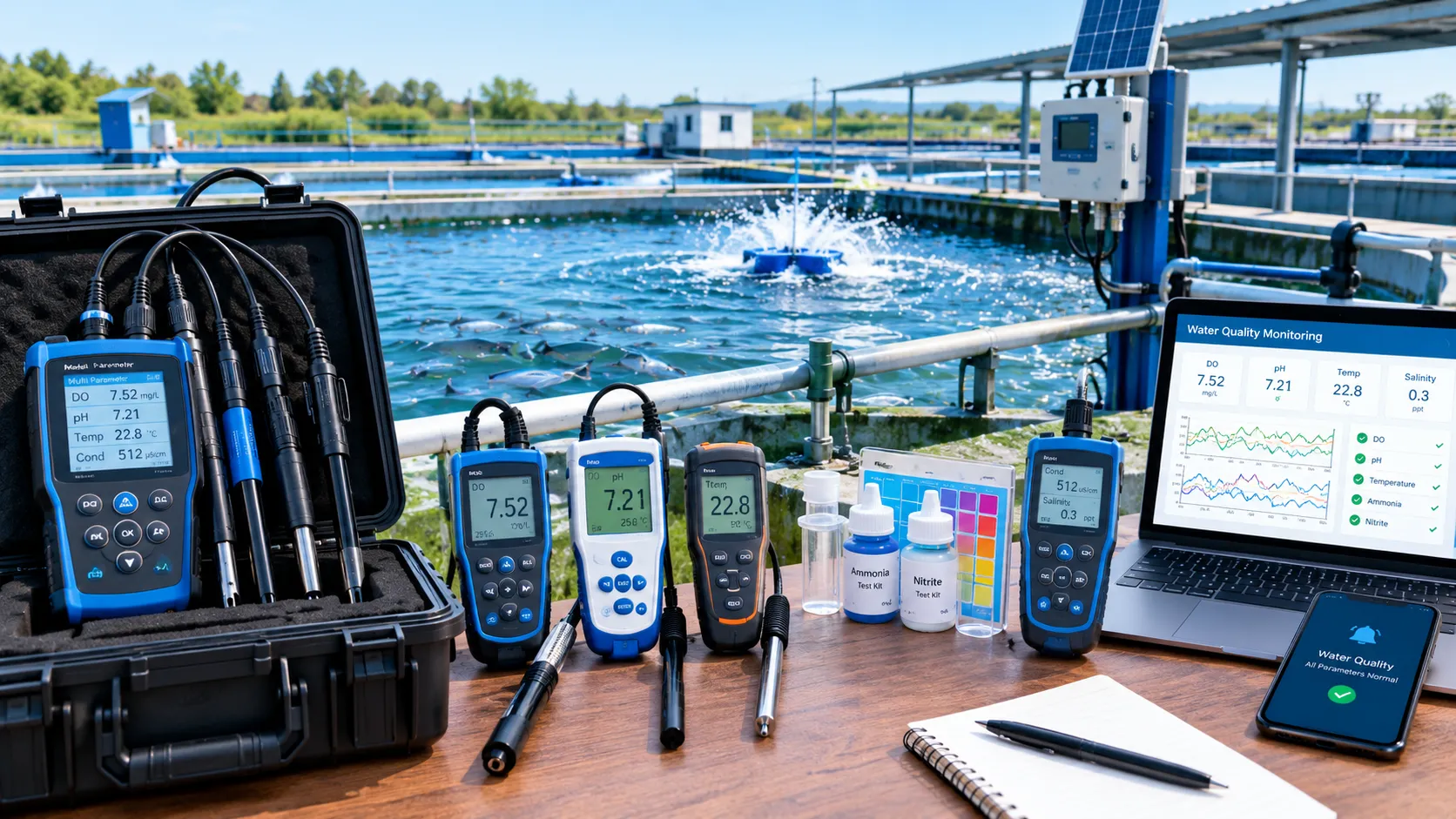
Water quality monitoring equipment helps fish farmers identify environmental problems before they affect fish health or production. In large-scale aquaculture, water conditions can change quickly because of feeding activity, fish respiration, waste accumulation, weather, and changes in water supply.
A reliable monitoring program should measure the parameters most relevant to the farm's species and production system. Dissolved oxygen, temperature, pH, ammonia, and nitrite are particularly important in many freshwater operations. Salinity, alkalinity, turbidity, and other measurements may also be necessary.
The most useful aquaculture monitoring equipment includes:
- Dissolved oxygen meters: Measure the oxygen available to fish.
- Digital pH meters: Measure water acidity or alkalinity.
- Temperature sensors: Track water temperature and identify sudden changes.
- Ammonia and nitrite test kits: Help detect potentially toxic nitrogen compounds.
- Conductivity and salinity meters: Measure dissolved ions or salt concentration where relevant.
- Multiparameter water quality meters: Measure several parameters using a single instrument.
- Automated monitoring systems: Collect readings continuously and send alerts when configured thresholds are exceeded.
When selecting monitoring devices, consider measurement accuracy, calibration requirements, waterproof construction, sensor lifespan, and replacement costs. Continuous monitoring can be especially valuable in intensive RAS facilities, where water quality depends heavily on mechanical and biological treatment.
Farm operators should establish species-specific operating ranges and configure alarms based on those limits. Monitoring equipment must also be calibrated and checked regularly because an inaccurate sensor can create a false sense of security.
Water quality data becomes more valuable when recorded over time. Reviewing trends can help farmers identify recurring oxygen shortages, filter problems, temperature fluctuations, and other issues before they become serious production risks.
Temperature and pH Control Equipment for Aquaculture Systems
- Water temperature monitoring devices: Measure water temperature to maintain suitable conditions for fish growth and survival.
- Aquaculture water heaters: Maintain the required water temperature for warm-water fish species.
- Water chillers: Reduce water temperature when conditions become too warm for the target species.
- Heat exchangers: Transfer heat between fluids to support efficient water temperature regulation.
- Insulation systems: Minimize heat loss and help maintain stable water temperatures.
- Shade structures and ventilation: Reduce excessive heat buildup in aquaculture facilities.
- Digital pH meters: Measure water acidity or alkalinity to support healthy aquatic environments.
- Automatic pH controllers: Monitor pH levels and regulate compatible treatment equipment when necessary.
- Alkalinity monitoring equipment: Measures the buffering capacity of water and helps prevent sudden pH fluctuations.
- Water treatment systems: Adjust pH when necessary using suitable, carefully controlled treatment methods.
- Temperature and pH sensors: Provide continuous measurements for monitoring water quality.
- Automatic control systems: Activate heaters, chillers, or other equipment when readings move outside configured limits.
- Energy-efficient temperature control equipment: Reduces operating costs while maintaining suitable water conditions.
- Sensor calibration and maintenance: Help ensure accurate readings and reliable equipment performance.
- Alarm and backup systems: Alert operators to abnormal temperature or pH levels and help protect fish during equipment failures.
- Species-specific environmental control: Maintains appropriate temperature and pH conditions according to fish species, life stage, and production requirements.
Biofilters and Waste Management Systems for Fish Farming
- Biofilters: Support beneficial bacteria that convert toxic ammonia into nitrite and then nitrate.
- Moving Bed Biofilm Reactors (MBBRs): Use moving plastic media to provide surfaces for beneficial bacteria.
- Trickling filters: Expose biofilter media to flowing water and air to support biological treatment.
- Fixed-bed filters: Use stationary filter media to support biological filtration and waste treatment.
- Biofilter media: Provide sufficient surface area for the growth of beneficial microorganisms.
- Ammonia and nitrite monitoring devices: Help detect harmful nitrogen compounds and maintain suitable water quality.
- Bottom drains: Collect settled waste and direct it toward waste removal systems.
- Settling tanks: Separate heavier solid waste from water through gravity.
- Drum filters: Remove suspended solids, uneaten feed, and fish feces from circulating water.
- Sludge pumps: Transfer collected sludge and waste to designated treatment areas.
- Waste collection tanks: Store solid waste and sludge before further treatment or disposal.
- Sludge dewatering systems: Reduce the water content of collected sludge to simplify handling and disposal.
- Biofilter oxygen and water flow systems: Maintain suitable conditions for beneficial bacteria and biological treatment.
- Biofilter sizing and maintenance: Ensure adequate treatment capacity based on feed input, ammonia production, temperature, and system requirements.
- Wastewater treatment systems: Help manage farm discharge and reduce the environmental impact of aquaculture operations.
- Integrated waste management systems: Combine biological filtration, mechanical filtration, solids collection, and sludge treatment to support efficient commercial fish farming.
Aquaculture Equipment Costs, Quality, and Durability
The cost of aquaculture equipment includes much more than the purchase price. Installation, electrical connections, plumbing, transportation, maintenance, replacement parts, and energy consumption can significantly influence the total cost of ownership.
A low-priced pump, for example, may appear attractive initially but could consume more electricity or require frequent repairs. A higher-quality model may offer better long-term value if it operates efficiently and lasts longer under the farm's working conditions.
Before approving a purchase, compare the following factors:
| Cost factor | What to evaluate |
| Initial purchase | Equipment price, accessories, and required components |
| Installation | Labor, pipework, electrical work, and commissioning |
| Energy use | Expected electricity consumption during operation |
| Maintenance | Cleaning, servicing, calibration, and repairs |
| Replacement parts | Availability, delivery times, and local prices |
| Warranty | Coverage, exclusions, and support conditions |
| Service life | Expected durability under actual operating conditions |
Material quality is especially important because aquaculture equipment is continuously exposed to water, humidity, and biological waste. Marine applications may require additional resistance to saltwater corrosion.
Ask manufacturers for technical datasheets, performance curves, material specifications, and warranty details. Where possible, obtain references from other commercial fish farms using the same equipment under similar conditions.
For large projects, calculate the total cost of ownership over an appropriate planning period. This gives a more realistic comparison than evaluating equipment based on its purchase price alone.
Energy-Efficient and Automated Aquaculture Equipment
Energy efficiency is increasingly important in commercial fish farming because pumps, aerators, blowers, oxygenation systems, and temperature control equipment can operate for long periods.
Selecting efficient equipment can reduce electricity expenses without compromising fish welfare. However, energy savings should never come at the expense of essential water circulation or oxygen delivery.
Variable-frequency drives (VFDs) can adjust motor speed to match changing demand where the pump or blower system is designed for variable-speed operation. High-efficiency motors, appropriately sized pipes, low-resistance filters, and efficient aerators can also reduce energy consumption.
Automation adds another layer of operational control. Modern aquaculture farms may use sensors, programmable logic controllers (PLCs), remote monitoring dashboards, and automated alarms to coordinate important equipment.
Examples include:
- Automatically adjusting feeding schedules.
- Monitoring dissolved oxygen and triggering alarms.
- Recording temperature and pH readings.
- Detecting abnormal pump operation.
- Tracking water flow and filter pressure.
- Notifying farm managers about equipment faults.
Automation can improve consistency and reduce routine labor, but it introduces additional requirements for software support, sensor calibration, cybersecurity, and staff training.
A practical approach is to automate high-priority processes first, particularly oxygen monitoring, emergency alarms, and critical water circulation. More advanced systems can be added as production grows and the farm team gains experience.
Renewable energy, such as solar power, may also help reduce operating costs where local conditions and system design support it. However, backup power and sufficient energy storage or an alternative supply remain essential when fish depend on electrically operated equipment.
Reliable Aquaculture Equipment Manufacturers and Suppliers
Choosing a reliable manufacturer or supplier is as important as selecting the equipment itself. A technically suitable product can still create problems if the supplier provides poor installation support, limited documentation, or unavailable replacement parts.
Start by identifying suppliers with experience in commercial aquaculture and the specific technologies required for your project. Depending on your needs, you may work with specialist manufacturers of pumps, filtration units, oxygenation systems, automatic feeders, sensors, and complete RAS installations.
Before placing an order, review the following:
- Technical experience: Check the supplier's experience with similar fish farming projects.
- Product documentation: Request specifications, installation instructions, and operating manuals.
- Performance evidence: Ask for relevant testing information and operating references.
- Warranty conditions: Understand coverage, service procedures, and exclusions.
- After-sales support: Confirm access to trained technicians and replacement parts.
- Installation assistance: Determine whether commissioning and staff training are included.
- Delivery and compatibility: Check lead times, electrical requirements, pipe connections, and integration with other equipment.
Established companies such as Pentair, Xylem, and OASE operate in relevant water technology or aquatic equipment markets, although their product ranges and suitability differ. Their names should be treated as starting points for research rather than an automatic endorsement of a particular aquaculture solution. Verify the availability and specifications of any product intended for your farm.
Request quotations from multiple qualified suppliers using the same technical requirements. This makes it easier to compare equipment capacity, energy consumption, warranties, service availability, and total installed costs.
Equipment Maintenance, Expansion, and Long-Term Scalability
A successful aquaculture project requires equipment that can operate reliably throughout multiple production cycles. Even well-designed systems need preventive maintenance, periodic inspection, and timely replacement of worn components.
Develop a maintenance schedule for pumps, aerators, filters, feeders, sensors, pipes, valves, and electrical equipment. Record inspection dates, repairs, calibration results, and any unusual operating conditions.
Daily checks should focus on critical operating indicators, including dissolved oxygen, water flow, fish behavior, and equipment alarms. Weekly and monthly inspections can cover filter cleaning, pump performance, feeder operation, and sensor calibration according to manufacturer recommendations.
Maintain essential spare parts such as pump seals, impellers, diffuser components, sensor probes, and other items with long replacement lead times. Critical systems should also have contingency arrangements for electricity failures, pump breakdowns, and oxygen supply interruptions.
Scalability is equally important. If production is expected to increase, design the facility with enough space for additional tanks, future plumbing connections, expanded filtration capacity, and electrical upgrades. Where practical, modular equipment can allow capacity to be added in stages.
However, expansion must be based on the capacity of the entire system. Adding more tanks without upgrading water treatment, oxygenation, pumping, and waste management can overload existing equipment and threaten fish health.
Review equipment performance regularly against production data, energy consumption, mortality, feed conversion ratio, and maintenance expenses. These measurements help identify bottlenecks and determine when an upgrade will provide genuine operational value.
A farm that combines preventive maintenance with careful capacity planning is better positioned to increase production without sacrificing water quality, fish welfare, or profitability.
Conclusion
Selecting the right aquaculture equipment for a large-scale project requires a balanced approach to fish biology, engineering, water quality, energy efficiency, and long-term operating costs. Tanks and ponds provide the production environment, while pumps, filtration units, aeration systems, automatic feeders, monitoring devices, and waste management equipment work together to maintain reliable farming conditions.
The most effective equipment selection process begins with clearly defined production goals and a detailed assessment of fish species, maximum biomass, water supply, site conditions, and available infrastructure. Farmers should then compare technical specifications, total ownership costs, supplier reliability, and future expansion requirements.
Investing in suitable equipment from the beginning can reduce avoidable failures, improve operational efficiency, and support more consistent fish production. With careful planning, dependable suppliers, and a strong maintenance strategy, a large-scale aquaculture project can develop into a more productive and sustainable commercial operation.
Frequently Asked Questions (FAQs)
What is the most important aquaculture equipment for large-scale fish farming?
Essential equipment includes fish tanks, water pumps, filtration systems, aerators, automatic feeders, biofilters, and water quality monitoring devices.
How do I choose the right aquaculture equipment?
Consider fish species, production capacity, stocking density, water quality, energy consumption, equipment durability, maintenance needs, and budget.
Which aquaculture system is best for commercial fish farming?
The best system depends on available land, water supply, target species, investment budget, environmental conditions, and production goals.
Why are water pumps important in aquaculture?
Water pumps maintain circulation, support filtration, distribute oxygenated water, remove waste, and help maintain suitable conditions for fish growth.
What filtration system is best for large-scale aquaculture?
Mechanical and biological filtration systems are essential, while additional treatment depends on water quality, stocking density, and production requirements.
How does aeration equipment improve fish farming?
Aeration increases dissolved oxygen, supports fish respiration, reduces oxygen-related stress, and helps maintain suitable conditions for healthy fish growth.
Are automatic fish feeders worth the investment?
Yes, automatic feeders improve feeding consistency, reduce labor requirements, minimize feed waste, and support efficient commercial fish production when properly managed.
Which water quality parameters should aquaculture farms monitor?
Farmers should monitor dissolved oxygen, temperature, pH, ammonia, and nitrite, adding salinity and alkalinity measurements when necessary.
How much does large-scale aquaculture equipment cost?
Costs vary according to farm capacity, system design, equipment quality, automation, installation requirements, energy needs, and supplier pricing.