

Native Trees & Shrubs for Beautiful Landscaping
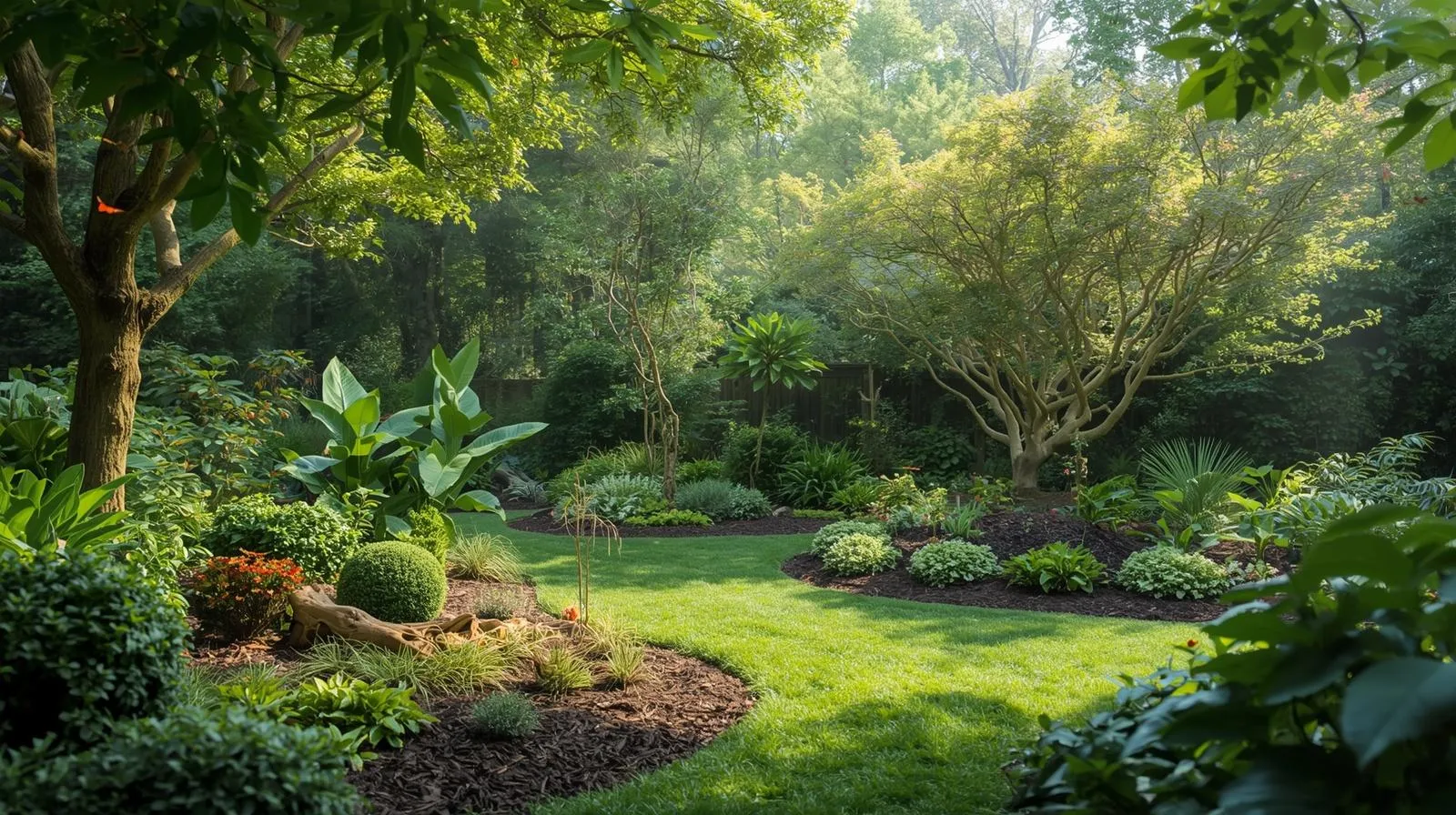
Native Trees & Shrubs for Landscaping Enhance Your Yard with Local Plants
Choosing native trees and shrubs for landscaping can completely transform your garden. Using plants that naturally grow in your area ensures better growth, low maintenance, and a beautiful, eco-friendly outdoor space. Native plants support local wildlife, improve soil health, and reduce the need for extra watering or fertilizers.
Why Choose Native Trees & Shrubs?
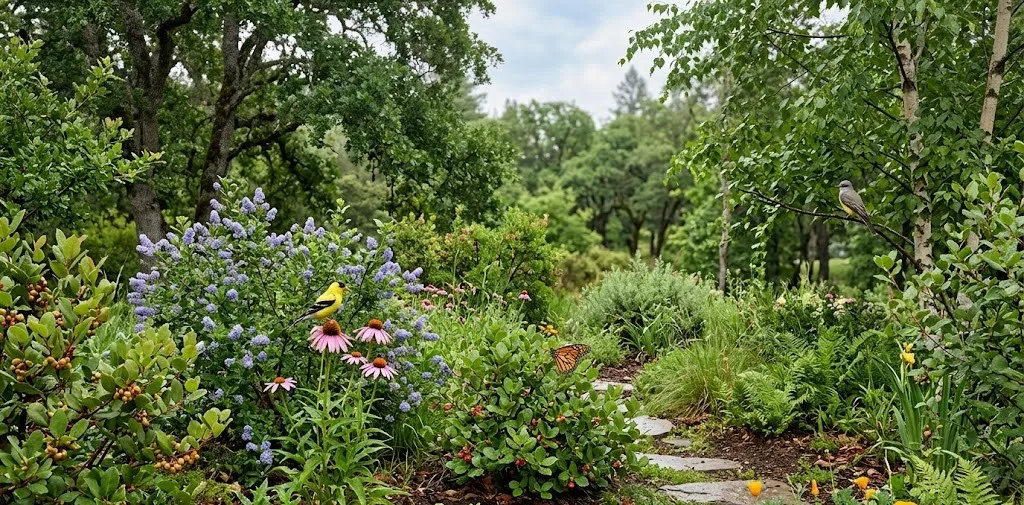
Native plants landscaping provides multiple benefits:
- Adapted to local climate: Survive heat, cold, and rainfall variations naturally.
- Low maintenance: Minimal pruning and fertilizing needed.
- Supports wildlife: Attracts birds, butterflies, and pollinators.
- Soil health: Improves nutrient cycling and prevents erosion.
- Sustainable landscaping: Reduces water usage and chemical inputs.
Popular Native Trees for Landscaping
- Oak Trees: Provide shade and habitat for birds and other wildlife.
- Maple Trees: Known for bright, colorful fall foliage.
- Dogwood Trees: Spring blooms that attract pollinators.
- Redbud Trees: Vibrant pink blossoms in early spring.
Popular Native Shrubs for Landscaping
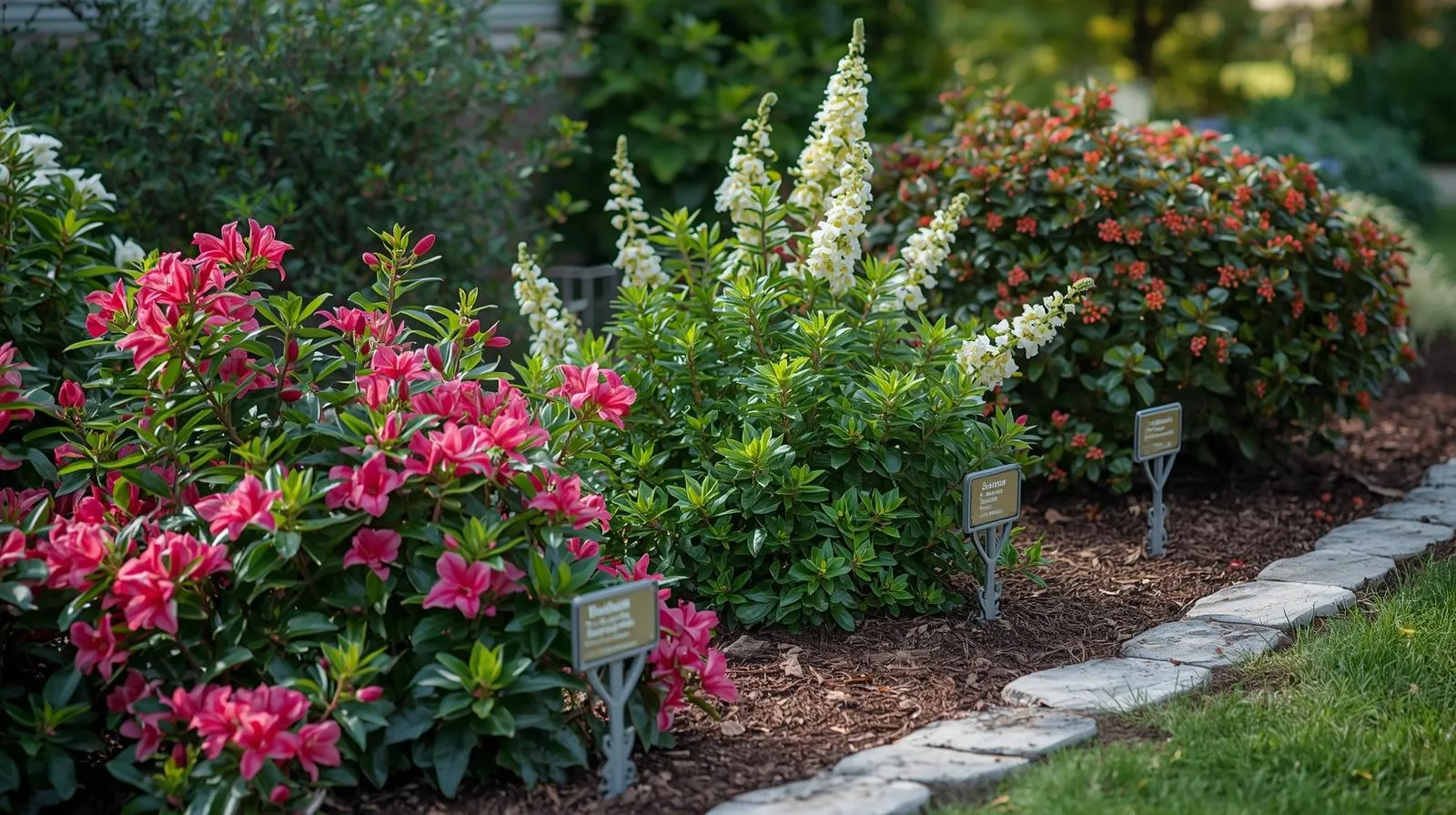
- Azaleas: Colorful flowering shrubs for borders and garden beds.
- Holly Bushes: Evergreen with berries, perfect for winter interest.
- Spiraea: Low-maintenance shrub with bright summer blooms.
- Blueberry Bushes: Provide fruit and beautiful fall foliage.
- Image suggestion: Garden bed showing a mix of native shrubs with labels.
Design Ideas Using Native Plants
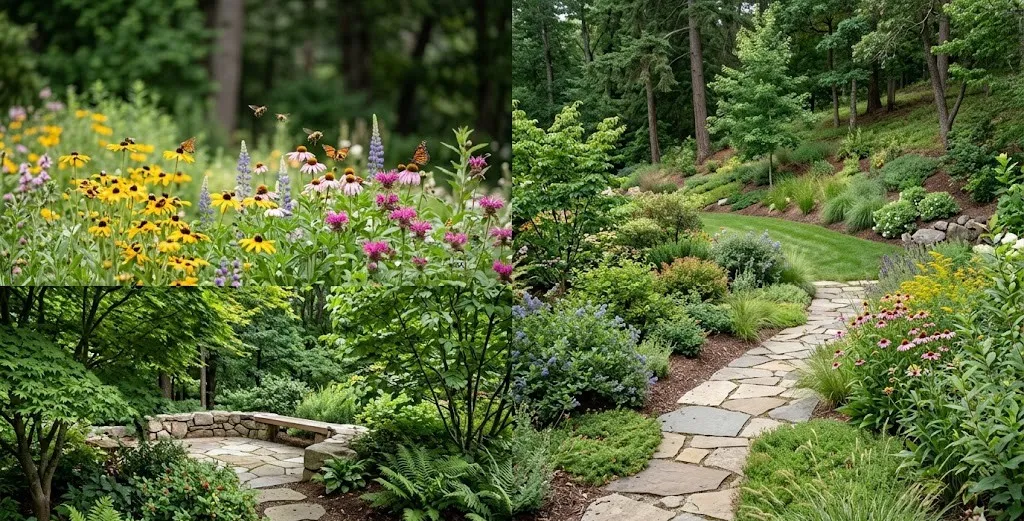
- Natural Borders: Line walkways with native shrubs.
- Pollinator Gardens: Plant flowering natives to attract bees and butterflies.
- Shade Gardens: Combine trees and shrubs for layered planting.
- Erosion Control: Use native trees on slopes or near water edges.
- Mixed Beds: Layer shrubs, trees, and perennials for visual interest.
Planting & Care Tips
- Check your local climate zone and soil type.
- Select plants suitable for sun, shade, and moisture levels.
- Plant during spring or fall for best establishment.
- Mulch around plants to retain moisture and control weeds.
- Water regularly until plants are established.
FAQs
Q1: Can I mix native and non-native plants?
Yes, but native plants should dominate for low maintenance and sustainability.
Q2: Are native plants expensive?
Not always; local nurseries often sell affordable native trees and shrubs.
Q3: How long do native trees take to grow?
Most establish within 2–5 years depending on species and care.
Q4: Can shrubs be used as privacy screens?
Yes, native shrubs like holly and viburnum work well as natural screens.
Pro Tip
Start small with a mix of native trees and shrubs. Observe how they grow and support wildlife. Gradually expand for a thriving, sustainable garden.