Ornamental Grasses for Modern Gardens | Expert Low-Maintenance Landscaping
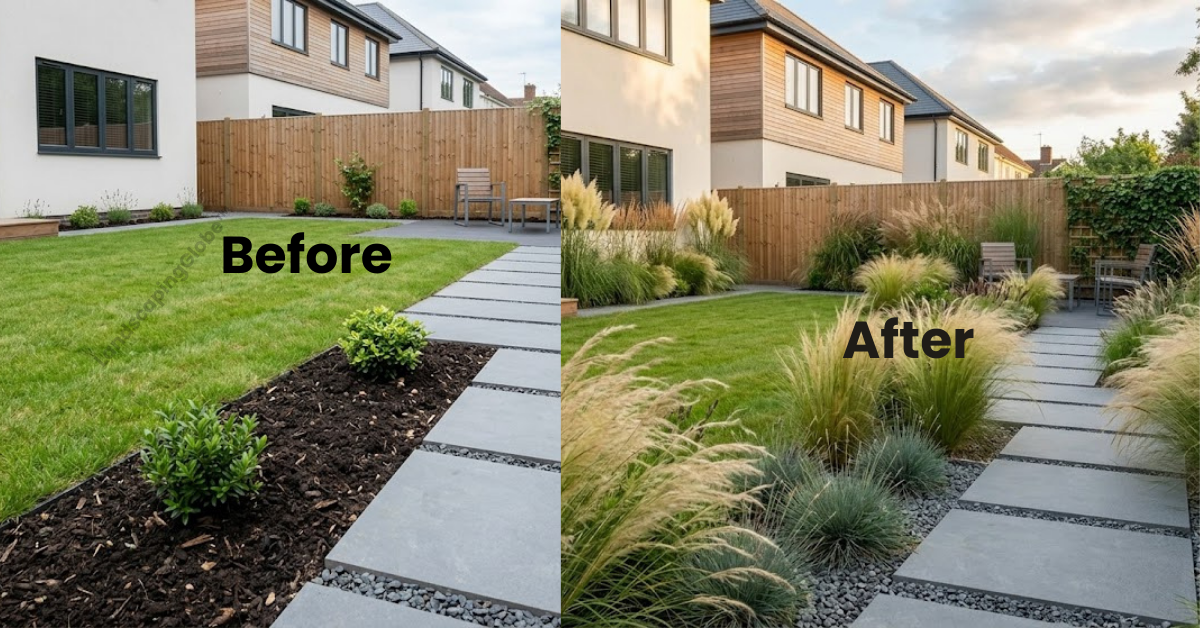
You want a garden that feels calm and modern. Ornamental Grasses for Modern Gardens help create that look with little effort. Ornamental grasses add soft movement, rich texture, and strong structure to modern landscapes. Wind moves through the leaves and creates natural motion. This simple detail makes gardens feel alive.
Many gardeners love these plants because they need little care. Most perennial ornamental grasses grow well in full sun and dry soil. Their deep root systems help them survive drought conditions. These grasses also give beauty in every season. Fresh spring foliage grows quickly. Warm autumn colors appear later. Soft seed heads add texture during the winter months.
Designers use them for many garden purposes. Tall grasses form privacy screens and strong garden backdrops. Short grasses work well as groundcover or border plants. These plants fit perfectly in modern garden design, rock gardens, and xeriscaping landscapes. Once planted, ornamental grasses need simple pruning and occasional division. This makes them a smart choice for low-maintenance gardens.
What Are Ornamental Grasses?
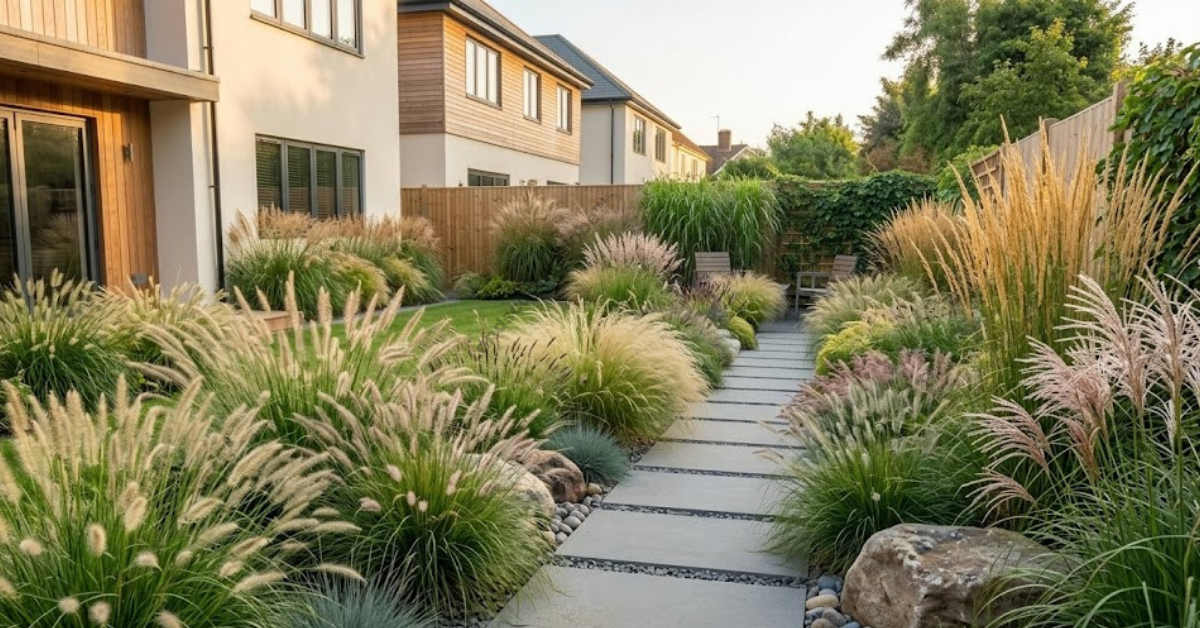
You may see soft grasses in gardens and wonder why people plant them. Those plants are called ornamental grasses. Ornamental grasses are plants grown for beauty in landscape design and home gardens. They include true grasses, sedges, and rushes. Many gardeners plant them for texture and natural movement.
These plants create shape and structure in the garden. Their forms may look vertical, fountain-like, or creeping. Wind moves through the leaves and adds gentle motion. Most perennial ornamental grasses grow strongly with little care. They tolerate drought conditions, resist pests, and survive many hardiness zones. This makes them great for busy gardeners. You will also notice beautiful features in late seasons. wide varieties grow soft, feathery plumes and decorative seed heads. These parts add color during late summer and fall.
Gardeners plant these grasses in many ways. They work well as focal points, garden borders, groundcover, and privacy screening. Some varieties grow only inches tall, while others reach several feet. Several well-known types appear in modern gardens. These include Muhly Grass, Switchgrass (Panicum), Maiden Grass (Miscanthus), Fountain Grass (Pennisetum), and Sedges (Carex).
Many people also choose them for wildlife support. Birds and butterflies often find shelter inside dense grass clumps. Most gardeners cut back ornamental grasses in early spring. This simple step helps fresh growth appear quickly.
Why Ornamental Grasses Are Ideal for Modern Garden Design

For a modern garden that feels lively and elegant, ornamental grasses are a top choice.
They bring natural structure and shape to landscapes. Tall plants like Karl Foerster feather reed grass, Switchgrass, and Miscanthus sinensis add height. Flowing Fountain Grass softens edges and creates movement. These grasses give a clean, minimalist touch. They pair perfectly with stone, metal, and concrete, balancing hard surfaces with gentle texture.
Even a slight breeze makes them sway, adding natural sound, motion, and calm energy. Seasonal changes keep the garden visually interesting. They offer beauty all year. Feathery plumes, seed heads, and colorful foliage enhance spring, summer, fall, and winter gardens. Low maintenance and sustainable, these plants are drought-tolerant, resist pests and diseases, and rarely need fertilizers.
Use them in many ways: as privacy screens, focal points, or flowing borders. They thrive in both small urban containers and large modern landscapes. Other popular varieties include Blue Fescue, Little Bluestem, Chinese Fountain Grass, and Festuca glauca. Each adds unique color, texture, and seasonal appeal. Finally, they support wildlife. Birds, pollinators, and beneficial insects find shelter in dense clumps. They also aid in erosion control and create natural garden transitions.
Benefits of Growing Ornamental Grasses in Modern Gardens

- Low Maintenance and Easy Care: Ornamental grasses thrive with little care once established. Rarely need watering, pruning, or fertilizer. Perfect for busy gardeners who want effortless beauty.
- Drought Resistance: Deep roots survive long dry spells. Ideal for areas with limited water supply. wide varieties resist heat and harsh conditions.
- Texture, Movement, and Visual Interest: Leaves and plumes sway with an even light breeze. Adds soft motion and calming rhythm to landscapes.Enhances garden layers when mixed with other plants.
- Year-Round Seasonal Appeal: Fresh green growth brightens spring gardens. Golden, copper, and burgundy tones appear in fall. Winter seed heads and frosted blades maintain structure.
- Wildlife Habitat Support: Dense clumps offer shelter for birds and beneficial insects. Seed heads feed wildlife during colder months. Encourages biodiversity in modern gardens.
- Soil Health and Erosion Control: Deep roots stabilize soil and reduce erosion. Improve soil drainage and structure naturally. Suitable for slopes and challenging terrains.
- Natural Privacy and Screening: Tall grasses create visual barriers without fences. Provide quiet, secluded garden corners. Work well as living screens in urban landscapes.
- Versatile Landscaping Uses: Can be focal points, borders, or groundcover. Fit minimalist, contemporary, or naturalistic garden styles. Blend with hardscaping elements like stone, metal, and concrete.
Best Low-Maintenance Ornamental Grasses for Busy Gardeners
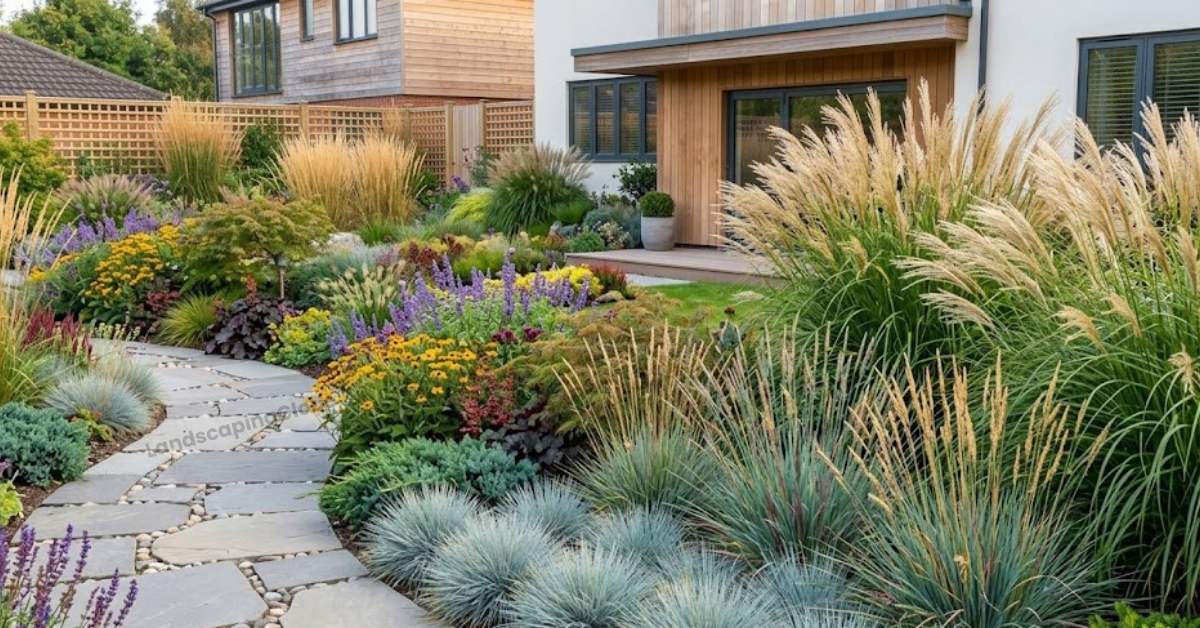
Karl Foerster Feather Reed Grass (Calamagrostis x acutiflora 'Karl Foerster') grows upright and adds winter interest; it needs almost no care. Switchgrass (Panicum virgatum 'Northwind' / 'Heavy Metal') is drought-tolerant, turning golden in fall for privacy screening. Blue Fescue (Festuca glauca 'Elijah Blue') brightens borders with silvery-blue mounds.
Little Bluestem (Schizachyrium scoparium) thrives in poor soil and adds vibrant fall color. Japanese Forest Grass (Hakonechloa macra 'Aureola') cascades in shade. Mexican Feather Grass (Stipa tenuissima) adds an airy texture. Fountain Grass (Pennisetum alopecuroides 'Little Bunny') works in containers. Plant for conditions, cut dead foliage in spring, and avoid aggressive types; enjoy a low-maintenance garden all year.
Ornamental Grasses for Small Modern Gardens
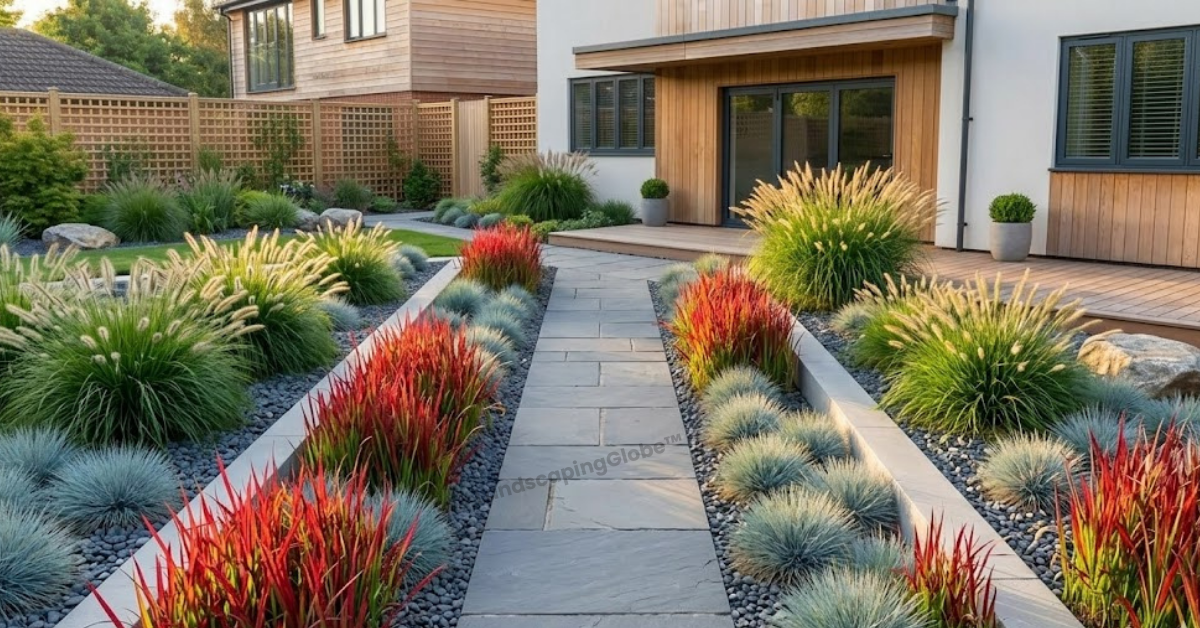
Small modern gardens shine with compact ornamental grasses that add texture, color, and movement without overcrowding. Dwarf Fountain Grass (Pennisetum alopecuroides 'Hameln') gives soft, bottlebrush-like blooms in just 1–2 feet. Japanese Forest Grass (Hakonechloa macra 'Aureola') cascades bright green in shady corners.
Japanese Sedge (Carex morrowii 'Ice Dance') spreads low with white-striped leaves. Japanese Blood Grass (Imperata cylindrica 'Red Baron') turns deep crimson in summer. Dwarf Mondo Grass (Ophiopogon japonicus 'Nanus') fills narrow spaces between pavers. Piglet Fountain Grass (Pennisetum 'Piglet') and Switch Grass (Panicum virgatum 'Cheyenne Sky') provide fine textures and vertical drama. Plant in odd-numbered groups, use containers, and edge pathways with Mondo grass for a chic, minimalist look all year.
Tall Ornamental Grasses for Privacy and Structure
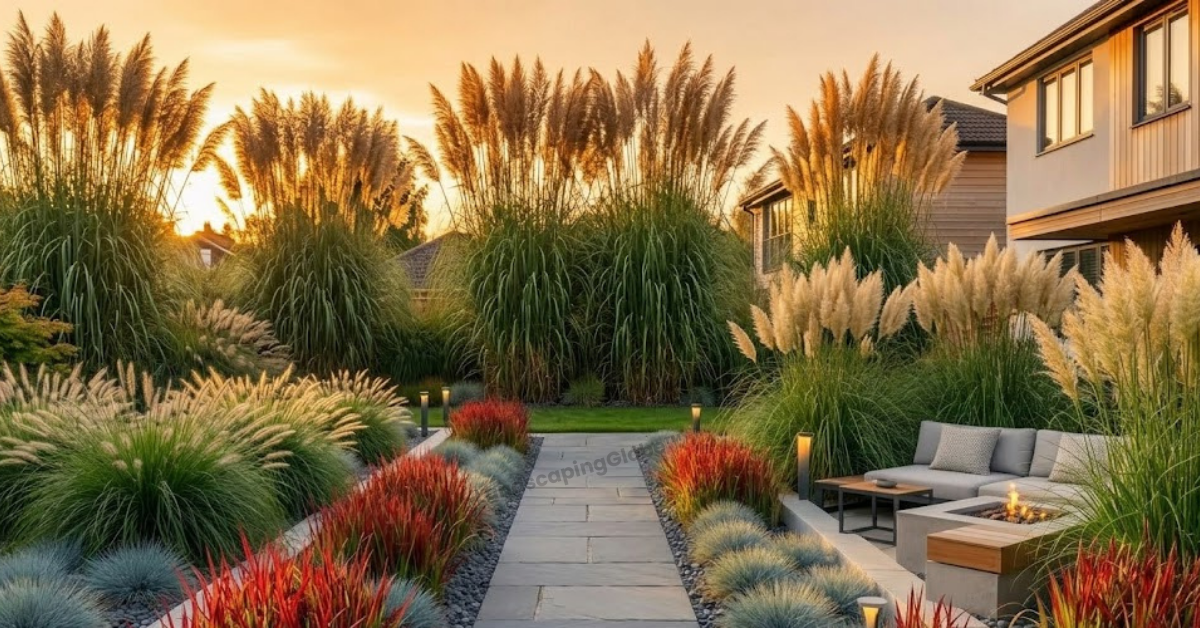
- Maiden Grass (Miscanthus sinensis): 5–8 ft tall, feathery plumes, dense and elegant privacy screens.
- Pampas Grass (Cortaderia selloana): 8–12 ft, dramatic vertical privacy hedges with bold plumes.
- Switchgrass (Panicum virgatum): 3–6 ft, native, hardy, upright with winter interest, ideal for natural screens.
- Giant Miscanthus (Miscanthus x giganteus): Up to 10 ft, fast-growing, bamboo-like structure for tall privacy.
- Zebra Grass (Miscanthus sinensis 'Zebrinus'): 5–8 ft, yellow-striped horizontal variegation adds visual drama.
- Big Bluestem (Andropogon gerardii): 4–8 ft, sturdy native grass with reddish fall color for strong vertical lines.
- Design Tip: Prefer clumping growth habits to avoid invasive spreading.
- Seasonal Interest: Tall grasses like Feather Reed Grass maintain structure and privacy in winter.
- Placement: Full sun ensures upright growth and strong structural form.
- Expression: Use these towering perennials to create serene retreats or bold, modern garden statements.
Drought-Tolerant Ornamental Grasses for Sustainable Gardens
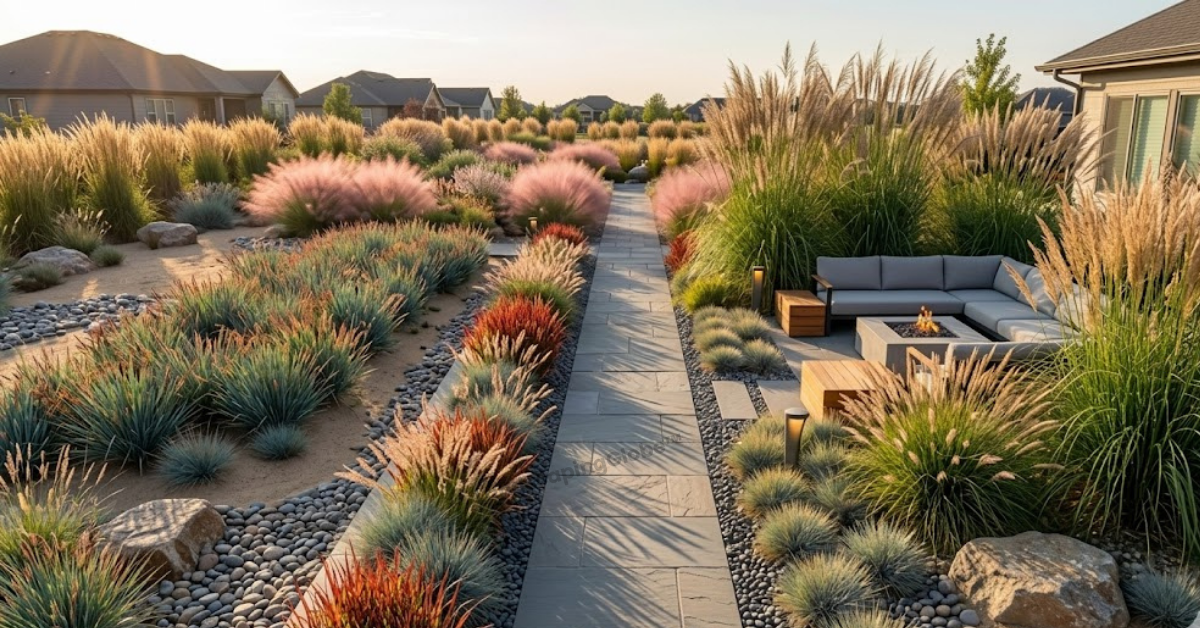
- Little Bluestem (Schizachyrium scoparium): Native grass, blue-green in summer, turns reddish-orange in fall; perfect for low-water gardens.
- Mexican Feathergrass (Nassella tenuissima): Airy texture with delicate movement; adds elegance to sustainable landscapes.
- Blue Grama Grass (Bouteloua gracilis): Unique horizontal "eyelash-like" seed heads; excellent for xeriscaping.
- Pink Muhly Grass (Muhlenbergia capillaris): Cloud-like pink plumes in late summer/fall for dramatic color.
- Switchgrass (Panicum virgatum): Deep-rooted, versatile native grass; highly drought-tolerant once established.
- Blue Oat Grass (Helictotrichon sempervirens): Clumping, blue-foliaged grass for larger or coastal gardens.
- Deer Grass (Muhlenbergia rigens): Architectural native grass; great for erosion control.
- Pheasant’s Tail Grass (Stipa arundinacea): Adds warm orange-bronze tones; perfect for visual interest.
How to Choose the Right Ornamental Grasses for Your Garden
Choosing the right ornamental grasses for your garden depends on sunlight, soil moisture, and USDA Hardiness Zone. Feather Reed Grass (Calamagrostis 'Karl Foerster') and Miscanthus (Maiden Grass) are perfect for privacy screens, while Little Bluestem, Fountain Grass, and Sedge (Carex) work well for borders, texture, and groundcover.
Consider clump-forming versus running/rhizomatous habits to control spread. Select drought-tolerant options like Blue Fescue or Blue Oat Grass for low maintenance, and trim or divide plants annually to maintain structure, movement, and year-round interest in your garden.
Soil and Sunlight Requirements for Ornamental Grasses
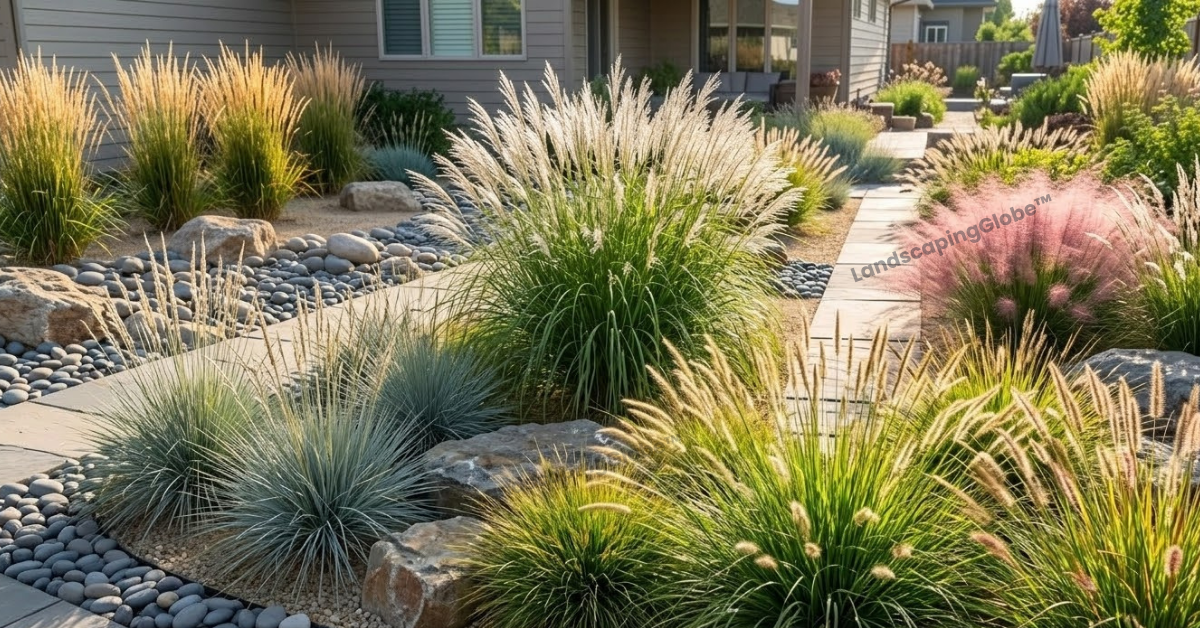
- Full Sun Requirements: Most ornamental grasses thrive with 6–8+ hours of sunlight
- Well-Drained Soil: Essential to prevent root rot and maintain healthy growth
- Tolerant Soil Types: Can grow in poor, sandy, or clay soils with minimal fertilizer
- Partial Shade Options: Varieties like Sedges (Carex), Japanese Forest Grass (Hakonechloa), and Purple Moor Grass (Molinia) tolerate low-light conditions
- Key Sun-Loving Grasses: Includes Blue Oat Grass, Stipas, Miscanthus, Pennisetums, and Panic Grasses
- Moisture Preferences: Japanese Forest Grass and similar types prefer consistently moist soil
- Soil pH: Optimal pH range 6.0–7.0 for best growth
- Spacing and Planting: Proper spacing prevents overcrowding and supports upright growth
- Maintenance: Minimal fertilizer needed for low-maintenance beauty, seasonal movement, and structure
- Other Notable Grasses: Includes Fountaingrasses, Chinese Silver Grass, Pampas Grass, and Feather Reed Grass for ornamental appeal
Watering and Fertilizing Ornamental Grasses
- Water new plantings regularly until roots are established (keep soil moist but not soggy).
- Once established, many ornamental grasses are drought-tolerant and need deep watering only during dry spells.
- Water deeply and infrequently to help roots grow strong.
- In containers, soil dries fast, so water when the top feels dry.
- Avoid overwatering; too much water can cause root rot.
- Most grasses do not need fertilizer for healthy growth.
- Apply a slow-release, balanced fertilizer only in early spring if needed.
- Too much fertilizer leads to weak, floppy stems.
- Mulch around grasses to retain moisture and reduce watering needs.
Seasonal Care Tips for Ornamental Grasses
- Spring: Cut back foliage of cool-season grasses (fescue, feather grass, northern sea oats) to 3–6 inches; divide overcrowded or center-dying clumps.
- Summer: Water sparingly; most established grasses (Mexican Feather Grass, switchgrass) are drought-tolerant.
- Fall: Leave foliage standing for crown protection and winter interest; remove self-seeding grasses like Mexican Feather Grass to prevent spreading.
- Winter: Keep grasses upright to protect roots and add landscape texture (UC Agriculture and Natural Resources, Melinda Myers, Hawks Landscape, Inc.).
- Safety & Tools: Use hand shears or electric hedge trimmers, and wear gloves and long sleeves for trimming.
- Goal: Maintain year-round structure, movement, and low-maintenance beauty in ornamental grass beds.
How to Prune and Maintain Ornamental Grasses
To properly prune and maintain ornamental grasses, cut back deciduous grasses in late winter or early spring before new growth appears, down to 3–6 inches above the ground. Use sharp tools like hand pruners, hedge shears, electric hedge trimmers, or chainsaws for larger varieties such as Pampas grass. Tie big clumps with twine or bungee cords for easier cleanup and composting. Avoid cutting evergreen or semi-evergreen grasses like Blue Fescue; instead, comb through dead or dry blades.
If the center of the clump is brown, divide the plant in spring to rejuvenate it. Fertilize minimally and water new plants regularly, while established grasses like Muhly grass, Festuca glauca, and Feather reed grass remain drought-tolerant. Wearing long sleeves and thick gloves is recommended for safety due to sharp blades. Following these steps ensures healthy growth, year-round structure, and easy maintenance in your ornamental grass beds (Proven Winners, UC Agriculture and Natural Resources, YouTube - Budget Gardening with Vita Loca).
Creative Design Ideas Using Ornamental Grasses
- Modern Structural Rows: Arrange ornamental grasses in straight, even lines or geometric patterns to give your garden a sleek, minimalist appearance.
- Bohemian Mixed Borders: Combine grasses of different textures, heights, and colors with flowering perennials to create a whimsical, free-flowing, or prairie-inspired garden edge.
- Living Privacy Screens: Use tall, upright grasses to form soft, natural barriers around patios, decks, or seating areas.
- Softening Hardscapes: Plant cascading or fine-textured grasses along paths, stone walls, or gravel areas to break up rigid lines and add flow.
- Color Contrast Accents: Pair dark grasses like Black Mondo Grass with light foliage to make colors pop in borders or container arrangements.
- Container Drama: Place smaller ornamental grasses in pots or planters for focal points on patios, porches, or entrances.
- Water Feature Highlights: Surround ponds or fountains with moisture-loving grasses to add texture, movement, and reflection.
- Winter Interest: Let grasses stand through winter to maintain garden structure, movement in the wind, and wildlife interest.
- Layered Planting: Combine short, medium, and tall grasses in layers to create depth, dimension, and a naturalistic feel.
- Mass Planting Effects: Plant grasses in groups or swaths for dramatic visual impact and seasonal movement across the landscape.
Conclusion
Ornamental grasses bring texture, movement, and year‑round interest to modern gardens, transforming simple spaces into dynamic and engaging landscapes. They thrive with minimal care, resist drought once established, and show evolving color and form through the seasons.
Their deep roots help prevent soil erosion and create habitat for birds and beneficial insects, making them both beautiful and eco‑friendly. Whether used in borders, containers, or mass plantings, grasses elevate design while reducing maintenance and water use.
FAQs
Q1: What are ornamental grasses?
Ornamental grasses are decorative plants grown for their foliage, texture, and movement, adding beauty to modern gardens.
Q2: Why should I use ornamental grasses in my garden?
They provide year-round interest, low maintenance, drought tolerance, and can create structure or privacy in modern landscapes.
Q3: Which ornamental grasses are best for small gardens?
Some low-growing varieties like Blue Fescue, Carex, and Pennisetum are ideal for compact spaces.
Q4: Can ornamental grasses survive in hot and dry climates?
Yes, many ornamental grasses like Fountain Grass, Feather Reed Grass, and Switchgrass are drought-tolerant.
Q5: How do I plant ornamental grasses?
Plant in well-drained soil with full sun to partial shade. Space them according to their mature size for proper growth.
Q6: How often should I water ornamental grasses?
Water regularly during the first growing season, then reduce watering as the grass establishes. Most varieties are drought-tolerant afterward.
Q7: How do I maintain ornamental grasses?
Prune dead leaves annually, divide clumps every few years, and remove weeds around the base for healthy growth.