

Best Outdoor Furniture Materials for Long-Lasting Gardens
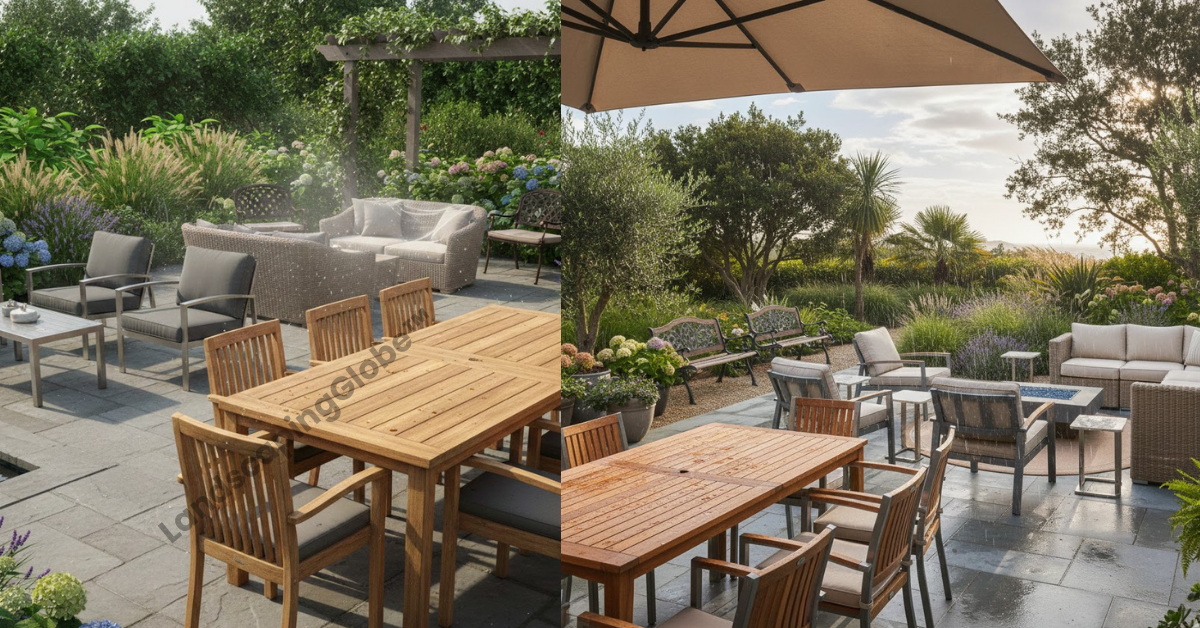
Choosing the best outdoor furniture materials helps your garden furniture last longer in the sun, rain, wind, and snow. The most long-lasting outdoor furniture uses natural hardwoods, rust-resistant metals, and advanced synthetic materials built for harsh weather.
Teak Wood is the gold standard because its natural oils resist rot, decay, and insects for decades outdoors. Over time, teak furniture forms a silver patina, or you can oil it to keep a warm color. Powder-Coated Aluminum is lightweight, rustproof, and ideal for modern outdoor furniture in rainy or sunny climates. For low upkeep, HDPE Resin Wicker, also called all-weather wicker, offers UV resistance, strength, and easy cleaning. Stainless Steel delivers corrosion resistance, strong frames, and sleek looks, making it perfect for coastal garden furniture.
In windy areas, Wrought Iron provides heavy strength but needs protective coatings to prevent rust and heat buildup. Other durable woods like Eucalyptus, Cedar, and Redwood resist weather but dent more easily than teak wood.
Polywood and recycled plastic furniture never rot, fade, or crack, making them maintenance-free outdoor furniture options. Climate matters when choosing materials for outdoor patio furniture durability,y and long-term performance.For rainy climates, aluminum, teak, and resin wicker perform best year-round. In hot and sunny areas, UV-protected fabrics, teak, and aluminum furniture stay cooler and last longer.
Coastal salt air, stainless steel, teak, and HDPE wicker resist corrosion effectively. In cold or snowy regions, wrought iron and stainless steel furniture handle freezing temperatures well . Regular maintenance, especially for wood outdoor furniture, greatly extends the lifespan regardless of the material choice.
Why Choosing the Right Outdoor Furniture Materials Matters
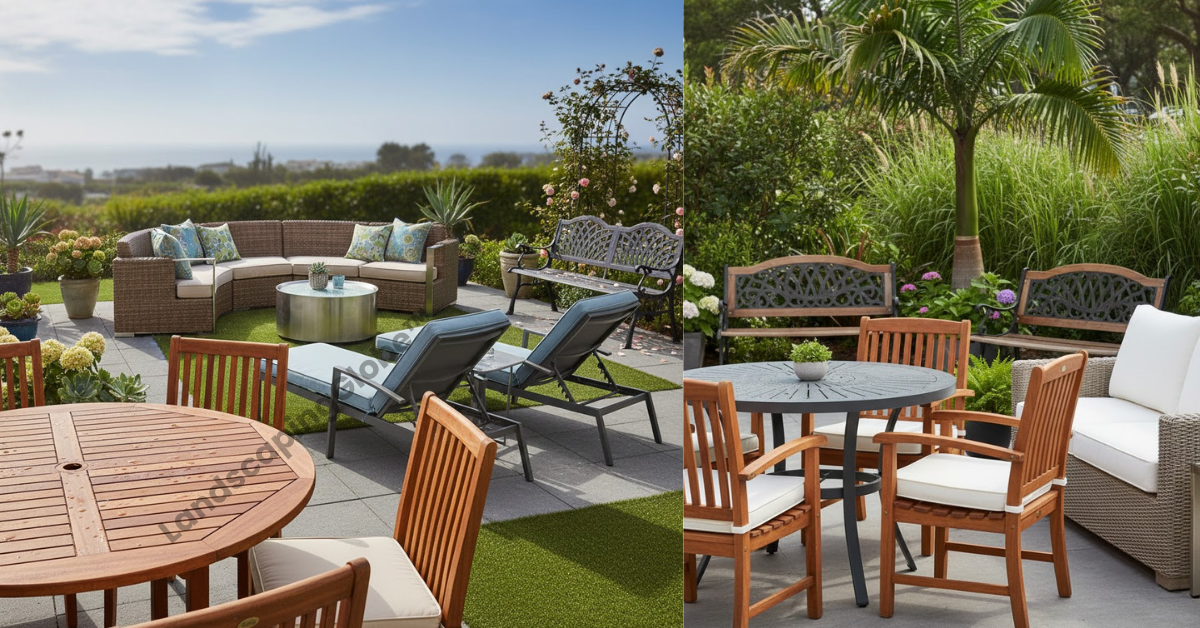
Choosing the right outdoor furniture materials decides how long your garden furniture stays strong, safe, and attractive.
Durability & Weather Resistance
- Weather quickly damages weak materials through warping, rusting, fading, and mildew buildup.
- Teak Wood resists rot, decay, and insects because of natural oils inside the hardwood.
- Powder-Coated Aluminum stays rust-resistant, lightweight, and durable in changing outdoor conditions.
- HDPE Plastic and resin furniture do not crack, rot, or absorb moisture.
- Stainless Steel offers excellent corrosion resistance for long-term outdoor strength.
Climate Impact: Sun, Rain, and Coastal Air
Climate directly affects outdoor patio furniture durability and performance over time.
- In rainy or humid climates, teak, aluminum, and Sunbrella fabrics prevent mold and water damage.
- In sunny and dry areas, UV-resistant finishes and solution-dyed acrylic fabrics stop fading.
- For coastal salt air, stainless steel, aluminum, and HDPE wicker resist corrosion.
- In cold or snowy regions, wrought iron and stainless steel furniture handle freezing temperatures well.
Maintenance and Lifestyle Needs
Maintenance levels change how much effort your garden furniture needs every year.
- Low-maintenance materials include HDPE plastic, powder-coated aluminum, and aging teak wood.
- High-maintenance materials include wrought iron and unsealed wood furniture, requiring regular care.
- Heavy-use spaces need metal furniture or synthetic wicker for strength and stability.
- Decorative spaces allow lighter materials like natural wood or woven wicker.
Long-Term Value for Garden Furniture
Choosing durable materials protects your outdoor furniture investment long-term.
- Weather-resistant materials reduce replacement costs and seasonal repairs.
- Polywood and recycled plastic furniture never rot, fade, or splinter.
- Cheap PVC wicker cracks easily and shortens furniture lifespan.
- Matching material properties with climate, usage, and style keeps outdoor spaces functional for years.
Top Outdoor Furniture Materials That Last for Years
Choosing durable outdoor furniture materials helps your garden furniture stay strong through weather, time, and daily use.
High-Density Polyethylene (HDPE / Poly) Most Durable Outdoor Furniture Material
- High-Density Polyethylene (HDPE) is made from recycled plastic and designed for long outdoor use.
- HDPE furniture resists fading, cracking, moisture, mold, and insects naturally.
- This material does not rot, splinter, or peel in harsh conditions.
- Polywood furniture performs well in sun, rain, humidity, snow, and coastal air.
- It is a top low-maintenance garden furniture option requiring only simple cleaning.
Aluminum Outdoor Furniture: Lightweight & Rust-Proof Choice
- Aluminum outdoor furniture is lightweight, strong, and easy to move.
- It is naturally rust-free, making it ideal for coastal areas with salty air.
- Powder-coated aluminum adds extra protection against corrosion and wear.
- Aluminum requires very little upkeep compared to iron or steel.
- In extreme heat, metal surfaces may warm quickly in direct sun.
- This material supports sleek and modern garden furniture designs.
Teak & Shorea Wood – Premium Hardwood for Outdoor Furniture
- Teak wood and Shorea wood are premium hardwood outdoor furniture materials.
- Their natural oils protect against rot, decay, warping, and pests.
- These woods are highly weather-resistant in changing climates.
- Over time, teak develops a silver-gray patina without losing strength.
- Optional oiling maintains the original color but is not required.
- These woods need periodic care, but last for decades outdoors.
Resin Wicker (All-Weather Wicker) for Stylish Garden Furniture
- Resin wicker is a synthetic version of traditional wicker furniture.
- All-weather wicker uses plastic fibers designed for outdoor durability.
- It resists UV damage, moisture, mold, and mildew effectively.
- Unlike natural wicker, synthetic wicker does not crack or unravel outdoors.
- It delivers a classic outdoor furniture look with modern performance.
- Avoid cheap PVC wicker, which becomes brittle over time.
Other Durable Outdoor Furniture Material Options
Composites & Plastics
- Poly Lumber (HDPE) is made from recycled plastic and offers top-level weather resistance.
- It does not fade, crack, rot, or absorb moisture over time.
- HDPE furniture resists mold, mildew, and insects naturally.
- Ideal for low-maintenance garden furniture in all climates.
- Resin Wicker uses synthetic materials designed for all-weather wicker use.
- It handles moisture better than natural wicker.
- Often combined with aluminum frames for extra durability.
Metal Options
- Powder-Coated Aluminum is lightweight, strong, and completely rustproof.
- Works well in rainy, humid, and coastal climates.
- Easy to move and requires very little upkeep.
- Wrought Iron is extremely heavy and strong for windy areas.
- Needs powder coating to prevent rust over time.
- Stainless Steel offers a sleek look and high corrosion resistance.
- Supports heavy furniture but usually costs more than aluminum.
Natural Wood Options
- Teak is the gold standard natural wood for outdoor furniture.
- Its natural oils protect against moisture, insects, and rot.
- Eucalyptus and Acacia wood are durable hardwood alternatives.
- These woods need more frequent oiling than teak wood.
Other Durable Materials
- Textilene Sling fabric is used in outdoor sling chairs.
- It dries quickly and resists weather damage.
- Best performance comes when paired with metal frames.
Key Considerations
- Maintenance levels vary by material type.
- Poly lumber and aluminum need minimal care.
- Wood furniture needs oiling; wrought iron needs rust protection.
- Weight matters: aluminum is light, iron is heavy.
- Climate conditions decide which material lasts the longest.
Best Outdoor Furniture Fabrics & Cushions
Choosing the right outdoor furniture fabrics improves comfort, durability, and long-term cushion performance.
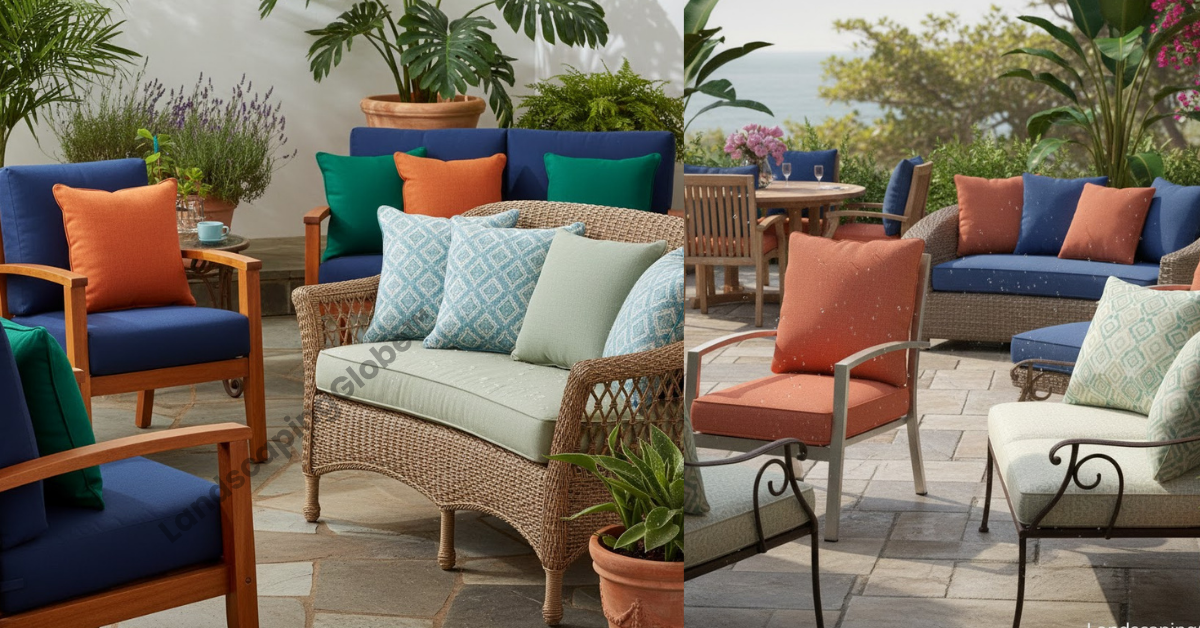
Solution-Dyed Acrylic Fabrics (Sunbrella & Similar Brands)
- Solution-dyed acrylic fabrics are the gold standard for outdoor furniture cushions.
- Sunbrella fabric has color locked into fibers for strong fade resistance.
- These fabrics resist UV damage, sun fading, and harsh weather.
- Built-in protection prevents mold and mildew growth.
- Moisture resistance helps cushions dry quickly after rain.
- Easy to clean and resistant to everyday stains.
- Works best with high-density foam for long-lasting comfort.
- Ideal for patio cushions, garden seating, and coastal environments.
Olefin Fabric – Affordable & Durable Outdoor Cushion Material
- Olefin fabric is made from polyolefin fibers like polypropylene.
- It offers good UV resistance for sunny outdoor spaces.
- Breathable fabric structure helps moisture escape quickly.
- Dries faster than many traditional outdoor fabrics.
- Naturally resists stains, mold, and mildew.
- A popular budget-friendly option for outdoor cushions.
- Lightweight and easy to maintain over time.
- Best for shaded patios or moderate sun exposure.
Additional Fabric & Cushion Features to Consider
- Water-repellent coatings help prevent moisture absorption.
- UV-resistant fabrics protect cushions from fading.
- High-density foam cushions keep their shape longer.
- Water-resistant inner liners like Bellock liners protect foam cores.
- Synthetic fabric blends balance durability and soft texture.
- Light colors like beige and pastels fade less in direct sun.
Outdoor Furniture Materials to Avoid
Choosing the wrong materials can lead to early damage, higher replacement costs, and poor outdoor performance. The following materials consistently fail under sun exposure, moisture, temperature changes, and humidity.
Natural Wicker (Cane / Rattan)
- Natural wicker is made from plant fibers that absorb moisture quickly
- Highly vulnerable to rain, humidity, mold, and mildew
- UV rays cause fibers to dry, crack, and split
- Loses structural strength and becomes brittle over time
- Requires frequent indoor storage or full weather protection
- Not suitable for all-weather outdoor furniture
Why avoid: Short lifespan and high maintenance in outdoor environments
Untreated Softwoods (Pine, Fir, Spruce)
- Untreated pine wood lacks natural weather resistance
- Easily affected by rot, decay, insects, and fungal growth
- Expands and contracts due to temperature fluctuations
- Absorbs water, leading to warping and cracking
- Requires constant sealing, staining, or painting
Why avoid: Poor durability without pressure treatment or protective coatings
Cheap PVC Wicker
- PVC wicker degrades faster than HDPE (High-Density Polyethylene) wicker
- Becomes brittle in cold weather and softens in extreme heat
- Prone to cracking, peeling, and fading
- Limited UV resistance compared to resin wicker alternatives
- Less eco-friendly and harder to recycle
Why avoid: Short-term aesthetics with long-term structural failure
Cheap Plastic Resin
- Low-grade plastic resin furniture cracks under UV exposure
- Becomes fragile in temperature extremes
- Lightweight frames lead to instability and breakage
- Discolors and fades quickly in direct sunlight
Why avoid: Flimsy construction and minimal longevity
Bare Iron & Uncoated Steel
- Bare iron furniture rusts rapidly when exposed to moisture
- Steel furniture corrodes in humid, coastal, or rainy climates
- Requires constant rust prevention and maintenance
- Weakens joints and compromises structural safety
Why avoid: High rust risk without powder-coating or protective finishes
Low-Quality Synthetic Fabrics
- Poor dye retention causes rapid fading
- Traps moisture, encouraging mildew and odor buildup
- Thin weaves wear out under UV radiation
- Lacks solution-dyed technology
Why avoid: Uncomfortable, unattractive, and short-lived cushions
Why These Materials Fail Outdoors
- Accelerated degradation from UV rays, rain, snow, and humidity
- Increased environmental waste due to frequent replacement
- Reduced comfort, stability, and safety
- Higher long-term costs despite lower upfront prices
Better Outdoor Furniture Alternatives
- HDPE resin wicker instead of PVC
- Powder-coated aluminum instead of bare metal
- Teak wood or eucalyptus instead of untreated softwood
- Solution-dyed acrylic fabrics (Sunbrella, Outdura) for cushions
- Olefin (polypropylene) fabrics for budget-friendly durability
How Climate Affects Outdoor Furniture Material Selection
Climate directly impacts durability, appearance, maintenance needs, and lifespan of outdoor furniture. Selecting materials based on sun exposure, humidity, rainfall, and salt air helps prevent fading, rust, cracking, mold, and warping.
Best Outdoor Furniture Materials for Hot & Sunny Areas
Hot climates expose furniture to high UV radiation and extreme heat, which can cause color fading and material breakdown.
HDPE (High-Density Polyethylene / Polywood)
- UV-stable recycled plastic
- Resists cracking, fading, and warping
- Performs well in desert and high-sun regions
Aluminum Frames
- Naturally rust-proof and heat-tolerant
- Lightweight yet durable for hot environments
- Ideal for dry and sunny climates
UV-Resistant Fabrics
- Solution-dyed acrylic fabrics (Sunbrella)
- Olefin (polypropylene) fabrics
- Prevent color fading, fabric weakening, and heat damage
Climate benefit: Minimal maintenance and long-term color retention
Best Materials for Rainy & Humid Climates
Moisture-heavy climates increase the risk of rust, rot, swelling, mold, and mildew.
Resin Wicker (All-Weather / HDPE Wicker
- Moisture-resistant synthetic fibers
- Does not absorb water or promote mildew
- Performs better than natural wicker
Teak Wood
- Naturally rich in oils
- Resists moisture, insects, decay, and fungal growth
- Maintains strength in humid environments
Moisture-Resistant Frames
- Powder-coated aluminum
- Stainless steel
- Prevent rust and corrosion in wet conditions
Climate benefit: Structural stability and mold resistance.
Best Outdoor Furniture Materials for Coastal Areas
Coastal environments combine humidity, salt air, and wind, which accelerate corrosion and surface damage.
Aluminum Furniture
- Salt-air resistant when powder-coated
- Does not rust like iron or steel
- Lightweight yet durable for coastal patios
Teak Furniture
- Naturally resistant to salt, moisture, and temperature changes
- Commonly used in marine and seaside settings
Salt-Resistant Materials & Hardware
- Stainless steel fasteners
- Marine-grade hardware
- Resin wicker instead of PVC
Climate benefit: Protection against corrosion and surface erosion
Maintenance Comparison of Outdoor Furniture Materials
| Material | Maintenance Level | Cleaning Needs | Durability | Common Issues | Best For |
| Resin Wicker (HDPE) | Low Maintenance | Soap & water wash | High | May look synthetic | All-weather patios |
| HDPE (Polywood / Poly-Lumber) | Very Low | Hose or wipe clean | Very High | Can get warm in sun | Sunny & humid climates |
| Aluminum (Powder-Coated) | Low | Light wiping | High | Heat retention | Rainy & hot areas |
| Teak Wood | Moderate | Occasional oiling or sanding | Very High | Color changes to patina | Premium outdoor spaces |
| Wrought Iron | High | Rust checks & repainting | High | Rust if coating chips | Windy areas |
| Steel Furniture | High | Sealing & rust prevention | High | Corrosion | Covered patios |
| Stone (Granite / Quartz) | Very Low | Simple washing | Extremely High | Heavy weight | Permanent outdoor setups |
| Sunbrella Fabric | Low | Spot clean | High | Needs storage | Outdoor cushions |
| Olefin Fabric | Moderate | Regular cleaning | Medium | Faster fading | Covered seating |
| Polyester Fabric | Moderate–High | Frequent care | Medium | Mildew risk | Budget cushions |
Weight & Stability of Garden Furniture Materials
Garden furniture weight affects stability, wind resistance, and ease of movement in outdoor spaces.
Lightweight Option – Aluminum
- Aluminum garden furniture is lightweight and easy to move.
- Powder-coated aluminum resists rust and corrosion.
- Ideal for patios where furniture needs frequent rearranging.
- It can shift in strong winds without anchoring.
- Thicker-gauge aluminum improves stability and durability.
Heavy & Stable Option Wrought Iron
- Wrought iron furniture is extremely heavy and wind-resistant.
- Offers excellent ground stability in open gardens.
- Strong and long-lasting for permanent outdoor setups.
- Requires powder coating to prevent rust.
- Hard to move due to heavy weight.
Balanced Option – HDPE (Polywood)
- HDPE (High-Density Polyethylene) offers balanced weight and strength.
- Heavier than plastic but lighter than iron.
- Resists UV damage, moisture, and mildew.
- Stable in moderate winds without anchoring.
- Ideal for long-term outdoor furniture use.
What Is the Most Weatherproof Outdoor Furniture Material?
The most weatherproof outdoor furniture is made from advanced synthetic materials designed to handle sun exposure, heavy rain, humidity, and snow without damage. Among the top choices, HDPE resin wicker stands out for its ability to resist moisture, UV rays, and temperature changes, preventing cracking, fading, and peeling over time. Furniture built with High-Density Polyethylene (HDPE) does not absorb water, making it ideal for year-round outdoor use with minimal upkeep.
Another excellent option is powder-coated aluminum, which offers a rust-proof surface that protects against corrosion in wet or coastal environments. Aluminum outdoor furniture is lightweight yet durable, making it easy to reposition while maintaining long-term structural strength. For those who prefer a wood-like appearance without maintenance, poly lumber (composite) delivers outstanding performance. This composite poly lumber material resists moisture, insects, and fading while eliminating the need for sealing or staining.
For structural strength and modern design, stainless steel furniture provides exceptional durability and weather resistance, especially in exposed outdoor settings. When it comes to cushions, performance fabrics play a major role in weatherproofing. Solution-dyed acrylic fabric, including premium options like Sunbrella fabric, offers superior colorfastness, UV protection, and resistance to mildew and stains. Solution-dyed polyester delivers similar benefits with added softness and water repellency, while Texoline (PVC-coated polyester) is fully waterproof, breathable, and quick-drying, making it ideal for poolside furniture.
For family-friendly outdoor spaces, Olefin (polypropylene) fabrics help repel spills and moisture, allowing for easy cleaning. While natural materials like teak wood furniture and other hardwood outdoor furniture are naturally weather-resistant, they still require periodic oiling or sealing to maintain their appearance and prevent aging. Overall, all-weather outdoor furniture performs best when fully synthetic frames such as HDPE wicker, powder-coated aluminum, or poly lumber are paired with high-performance fabrics like solution-dyed acrylic or Texoline, offering the most reliable, low-maintenance solution for long-term outdoor durability.
Conclusion
Choosing the right outdoor furniture materials helps your garden furniture last longer with less maintenance. HDPE (Polywood), resin wicker, and powder-coated aluminum offer the best all-weather durability and resist rust, moisture, and fading. Teak wood provides natural strength and beauty but needs occasional care. Climate, weight, and maintenance needs should guide your choice. When matched correctly, durable frames and quality fabrics keep outdoor furniture strong, comfortable, and long-lasting.