

Pavers for Outdoor Spaces | Best Patio, Backyard & Garden Ideas
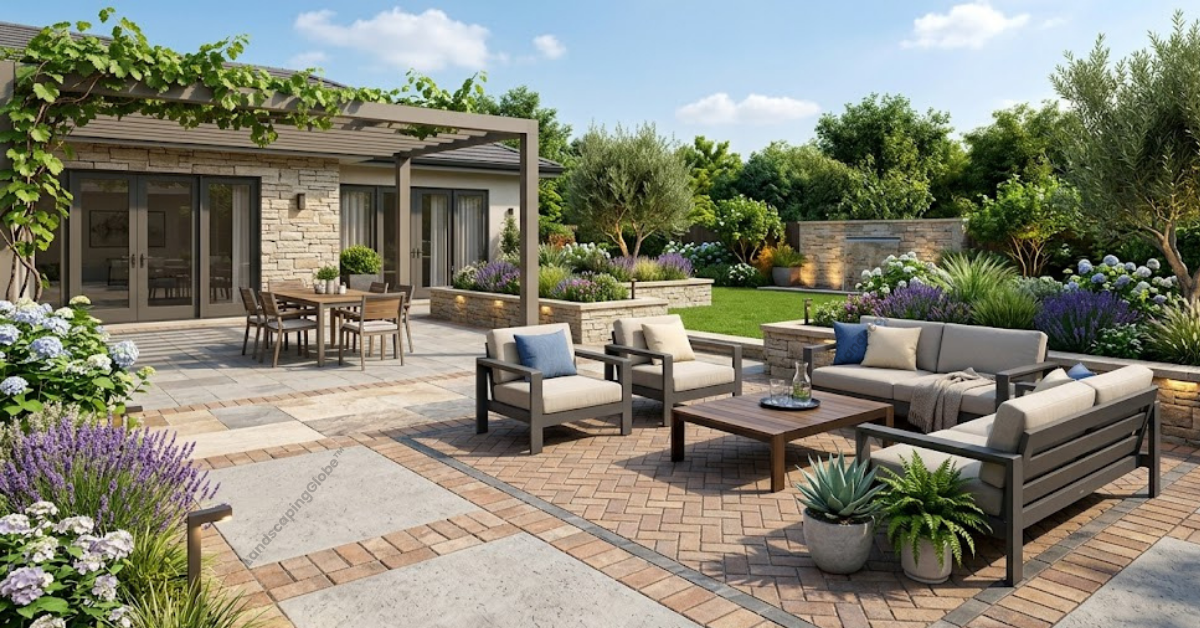
Outdoor spaces shape the way you live at home. When designed well, they make your backyard, patio, or garden feel more inviting. Pavers for outdoor spaces play a major role in this transformation. They elevate the look of any area and strengthen its function. These pavers stay strong in all seasons and offer charm that lasts for years. They resist harsh weather, support heavy traffic, and improve the entire atmosphere of your exterior space. With the right design, your outdoor area becomes a place where comfort meets beauty.
What Are Outdoor Pavers and Why Are They Popular?
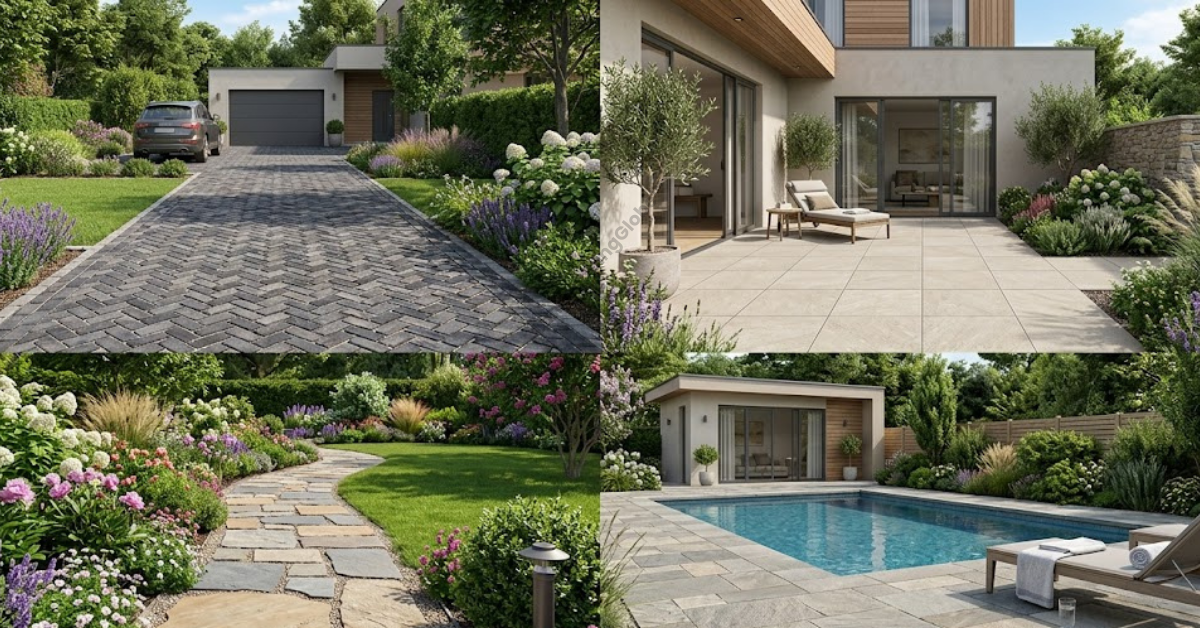
Outdoor pavers are strong, individual units made from materials like concrete, stone, porcelain, brick, or travertine. Unlike indoor flooring, they are built to handle harsh outdoor conditions, moisture, sunlight, and temperature changes. They lock together to form a firm surface that looks stylish and stays stable.
Today, outdoor pavers are a favorite in landscaping and home design. Homeowners choose them because they are durable, customizable, and easy to maintain. They fit in many spaces, including:
- Driveways
- Patios and outdoor seating zones
- Walkways and garden paths
- Pool decks
- Courtyards and entryways
Their wide use shows how versatile they are and how well they blend with different outdoor themes.
Benefits of Using Pavers for Outdoor Spaces
Choosing pavers for outdoor spaces offers several advantages:
✔ Durability and Long Lifespan
Pavers hold up against weight, moisture, and temperature changes. They last for decades without cracking easily.
✔ Slip-Resistance and Weather Endurance
Most pavers have textured surfaces that reduce slipping, even in wet areas like pools or gardens.
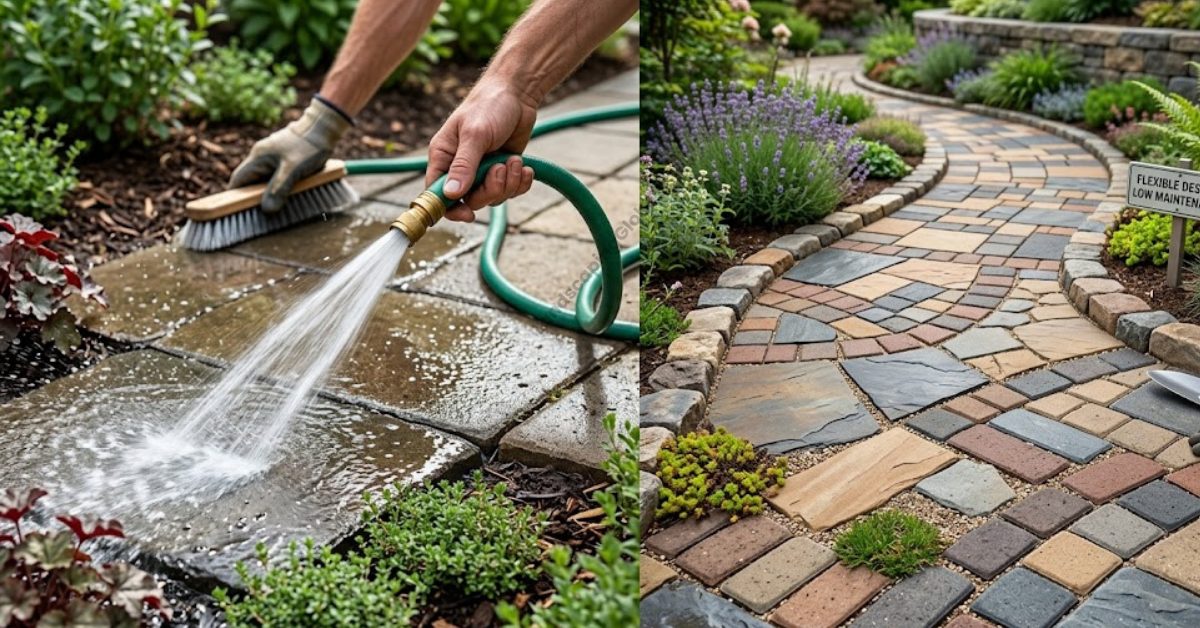
✔ Low Maintenance
You can clean them quickly with water and simple tools. Damaged pieces can be replaced individually.
✔ Flexible Design
Pavers come in many shapes, sizes, and patterns. You can create modern, rustic, or classic looks.
✔ Higher Property Value
A clean, well-designed outdoor area increases home value. Buyers appreciate strong, beautiful, long-lasting spaces.
Types of Pavers for Outdoor Spaces
Homeowners choose from several types of outdoor patio pavers and garden materials. Each type offers a unique look and strength.
Concrete Pavers
Affordable and strong. Available in many shapes and colors. Works well for driveways, patios, and walkways.
Stone Pavers
Natural and elegant. Gives a premium feel to outdoor areas. Ideal for patios, fire pits, and pathways.
Porcelain Pavers
Smooth, modern, and stain-resistant. Great for sleek patio designs or poolside areas.
Brick Pavers
Timeless and eco-friendly. Popular for garden paths, courtyards, and rustic patios.
Travertine Pavers
Cool underfoot and perfect for pool decks. Offers a soft, natural look and great slip resistance.
Comparison
| Paver Type | Durability | Cost Level | Best For |
| Concrete | High | Low–Medium | Patios, driveways |
| Stone | Very High | High | Luxury outdoor spaces |
| Porcelain | High | Medium–High | Modern patios, pools |
| Brick | Medium–High | Medium | Walkways, rustic themes |
| Travertine | High | Medium–High | Pool decks |
Choosing the Right Pavers for Your Outdoor Area
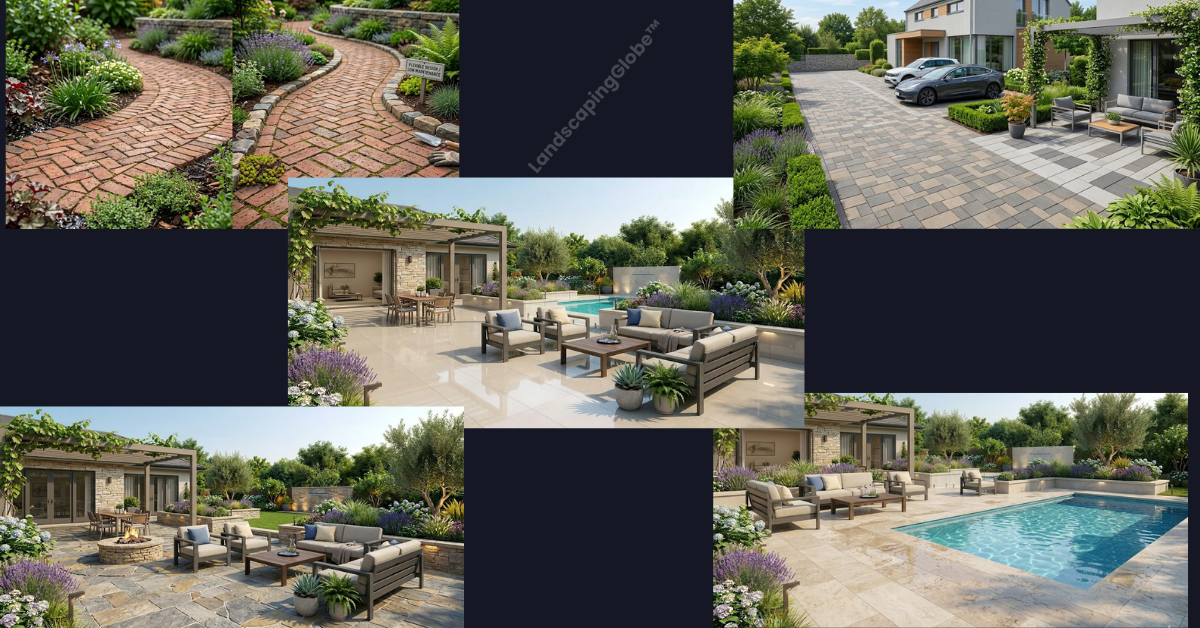
Selecting the right pavers for outdoor patio spaces depends on your goals and surroundings. Consider the following:
✔ Climate
In hot areas, choose materials that stay cool. In wet climates, pick slip-resistant stones.
✔ Traffic Load
Driveways need stronger pavers than garden paths.
✔ Design Style
Modern homes look great with porcelain or large concrete slabs. Rustic landscapes suit brick or natural stone.
✔ Color Palette
Pick tones that match your home’s exterior, plants, and outdoor furniture.
✔ Texture
Smooth finishes fit modern styles. Rough textures look natural and blend into gardens.
Matching pavers with themes also helps:
- Modern: Porcelain, large concrete pieces
- Rustic: Brick, cobblestone, natural stone
- Tropical: Travertine, light stone
- Minimalist: Smooth porcelain or uniform concrete
Outdoor Design Ideas Using Pavers
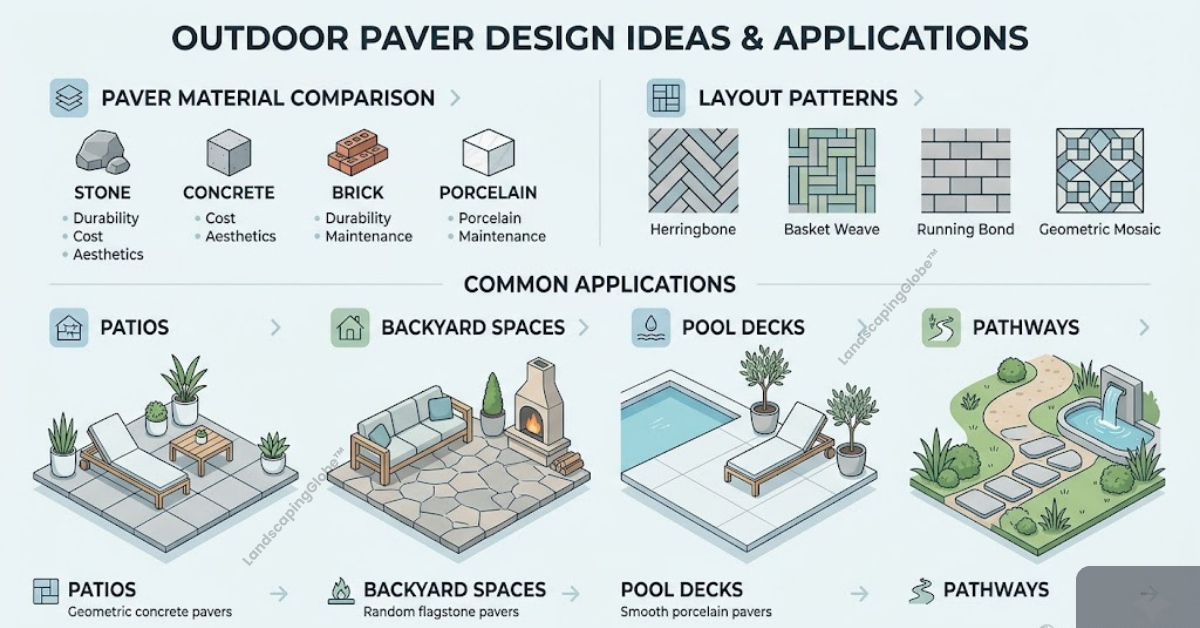
Pavers open endless design possibilities. You can use them in many creative ways:
Layout Patterns
- Geometric layouts
- Herringbone
- Running bond
- Random stone pattern
Popular Uses
Backyard Seating Areas
Create a cozy spot with a patterned paver floor and comfortable seating.
Outdoor Kitchens
Use durable stone or concrete pavers to build a stylish cooking zone.
Pathways & Garden Borders
Guide movement around your garden with narrow paver paths.
Pool Decks & Patios
Travertine and porcelain are great for slip-resistant, cool surfaces.
Infographic Suggestion
A visual graphic could include sections like:
- Material comparison
- Pattern ideas
- Applications for backyard, patio, pool, and garden
How to Install Outdoor Pavers: Complete Step-by-Step Process
Here is a clear, simple process for installing pavers for outdoor spaces:
- Plan and Measure the Area
Mark the size and shape of the project. - Excavation
Remove soil and make space for the base. - Add the Base Layer
Use crushed stone to form a strong foundation. - Lay the Sand Bed
Spread a thin layer of sand for leveling. - Install the Pavers
Place each piece tightly and follow your chosen pattern. - Compact the Surface
Use a compactor to secure the pavers. - Fill the Joints
Sweep sand into gaps to lock the pieces. - Seal the Surface
Add a protective seal to prevent stains and water damage.
Cost of Installing Pavers for Outdoor Spaces
Pricing depends on material, labor, site condition, and design complexity.
Estimated Cost
| Material | Cost per Sq. Ft. | Total Installation Cost |
| Concrete | $8–$16 | Affordable project |
| Brick | $10–$20 | Medium budget |
| Porcelain | $15–$30 | Modern projects |
| Stone | $18–$40 | High-end designs |
| Travertine | $12–$28 | Pool areas |
Extra Cost Factors
- Excavation depth
- Edge sealing
- Pattern complexity
- Delivery charges
- Base thickness
Maintenance & Longevity of Outdoor Pavers
To keep outdoor pavers looking fresh, follow these tips:
✔ Cleaning
Wash them with water and mild cleaning tools.
✔ Re-Sanding
Add joint sand once or twice a year to stabilize the surface.
✔ Sealing
A good seal protects the pavers from stains and moisture.
✔ Weed Prevention
Use polymeric sand or weed blockers to stop plant growth between joints.
Seasonal Care
- Summer: Rinse dust and dirt
- Winter: Protect from freeze damage and avoid harsh salts
Eco-Friendly and Sustainable Paver Options
Sustainable choices are becoming more popular. Permeable pavers allow water to pass through, reducing runoff. Recycled materials help lower environmental impact. Some surfaces reflect heat to keep outdoor areas cooler.
These modern solutions support greener landscaping and healthier environments.
Mistakes to Avoid When Designing with Outdoor Pavers
Avoid common problems during planning and installation:
- Uneven placement
- Poor drainage
- Skipping the sealing process
- Using weak materials in high-traffic areas
A careful approach ensures long-lasting results.
Comparing Outdoor Pavers vs. Other Surfaces
| Surface | Durability | Maintenance | Cost | Best Use |
| Pavers | High | Low | Medium | Most outdoor areas |
| Stamped Concrete | Medium | Medium | Medium | Patios |
| Gravel | Low | Low | Low | Temporary paths |
| Tiles | Medium | High | Medium–High | Covered patios |
Pavers stand out because they last longer and offer better design flexibility.
Best Paver Combinations for Outdoor Spaces
Mixing materials creates attractive visual interest.
Brick + Stone
Great for rustic patios and garden paths.
Porcelain + Concrete
Perfect for modern outdoor spaces with a clean finish. Combining colors and textures brings depth and character to any area.
Where to Buy Outdoor Pavers and Hiring Professionals
Look for trusted suppliers with strong customer reviews. Visit showrooms to compare colors and textures. When hiring professionals, ask:
- How many years of experience do you have?
- What materials do you recommend for my climate?
- Do you provide warranties?
- Can I see previous work?
Good suppliers and contractors make the project smooth and stress-free.
Latest Outdoor Paver Trends for 2026
New trends are shaping outdoor living in 2025:
- Large-format pavers
- Natural stone textures
- Smart lighting between paver joints
- Modular patterns
- Sustainable materials
These styles bring a fresh look to outdoor design.
FAQs
How long do outdoor pavers last?
They last for decades with proper care.
Can pavers handle heavy loads?
Yes. Many are strong enough for driveways and parking areas.
Do pavers need sealing?
Sealing helps protect them from stains and weather damage.
Are pavers good for pool areas?
Yes. Slip-resistant pavers like travertine and porcelain work best.
How often should I clean or re-sand them?
Clean them every few months and re-sand once or twice a year.
Final Thoughts
Pavers add strength, charm, and lasting beauty to outdoor living areas. They make spaces more functional and visually appealing. With the right pattern, color, and material, you can transform your backyard, walkway, or patio into a place you love spending time. Investing in quality pavers for outdoor spaces ensures long-term value and brings life to your exterior living environment. Enjoy the freedom to design, create, and elevate your outdoor world.