

Peat Moss for Lawns, Flowers & Veggies Boost Growt
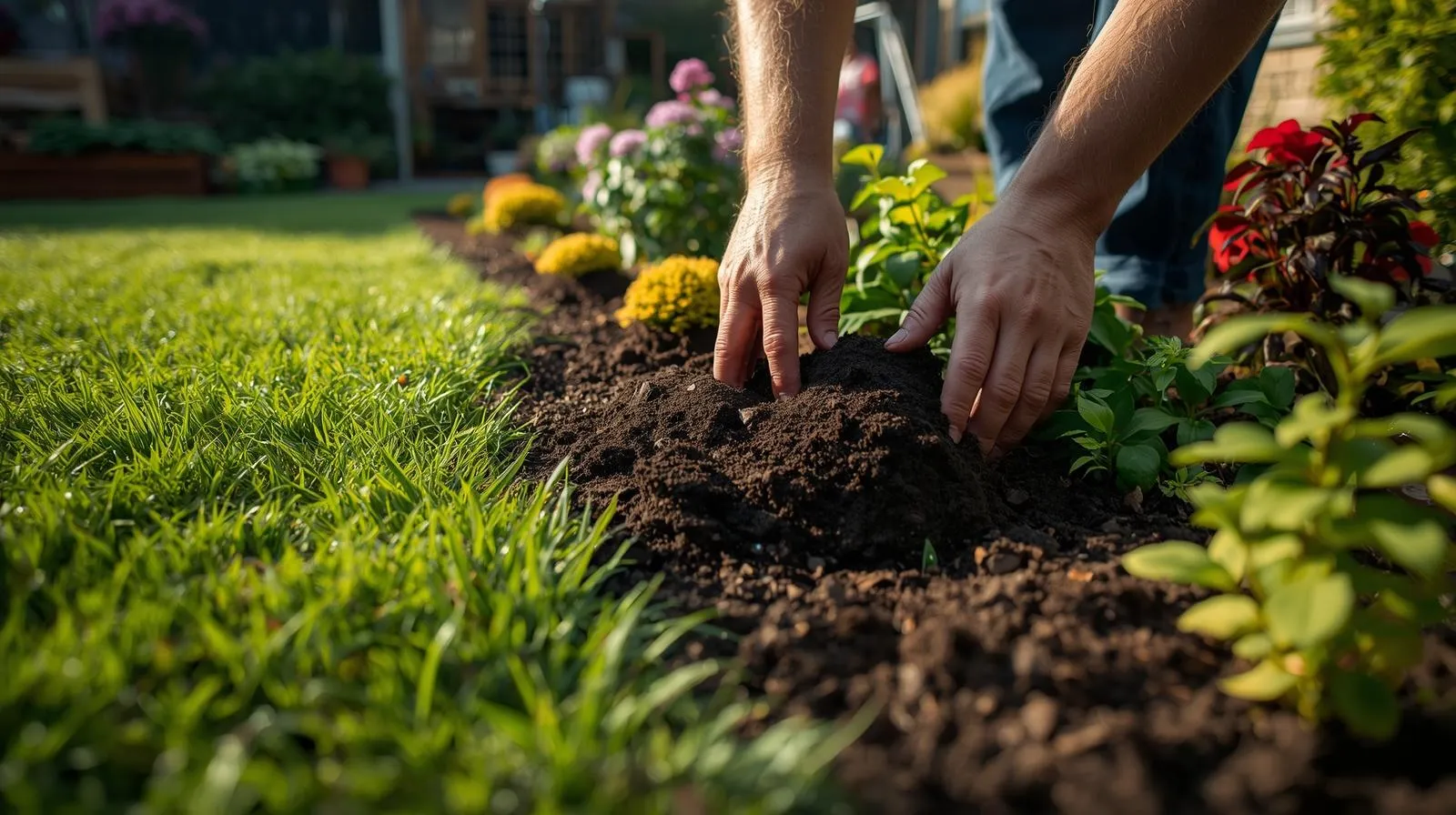
Peat Moss for Specific Plants Boost Growth and Soil Health
Peat moss is a versatile soil amendment that benefits many types of plants. From lawns to garden beds, it improves soil structure, retains moisture, and encourages strong root growth.
Gardeners often ask how peat moss for grass or other specific plants can improve growth. The answer lies in its ability to create healthy, nutrient-friendly soil.
Why Use Peat Moss for Specific Plants?
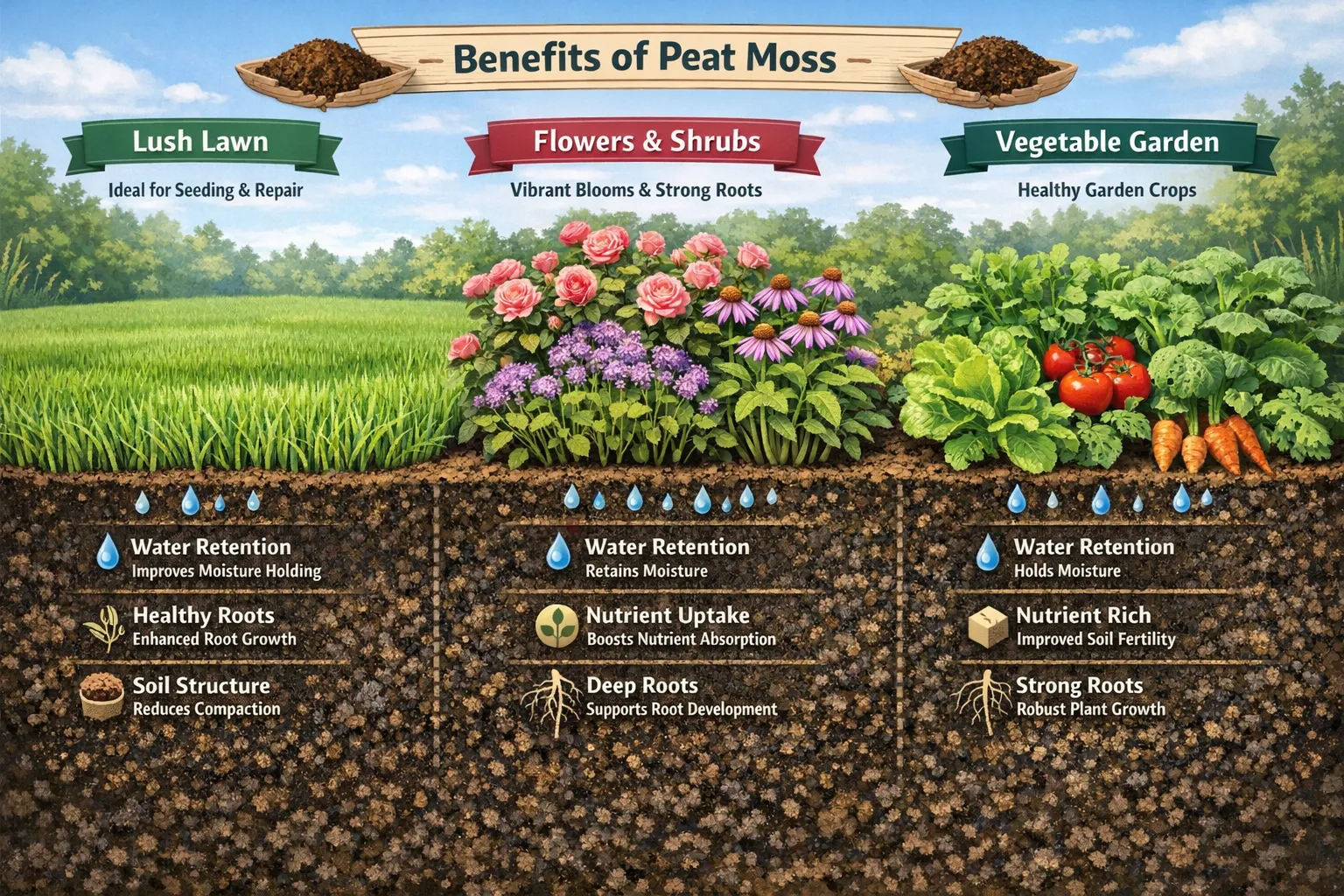
Peat moss works differently depending on the plant:
- Grass & Lawns: Retains moisture, prevents patchy growth, ideal for seeding and leveling
- Flowers & Shrubs: Improves root development and water retention
- Vegetables: Supports nutrient absorption and reduces soil compaction
Its lightweight, spongy texture makes it easy to mix with soil for a wide variety of plants.
Peat Moss for Lawns and Grass
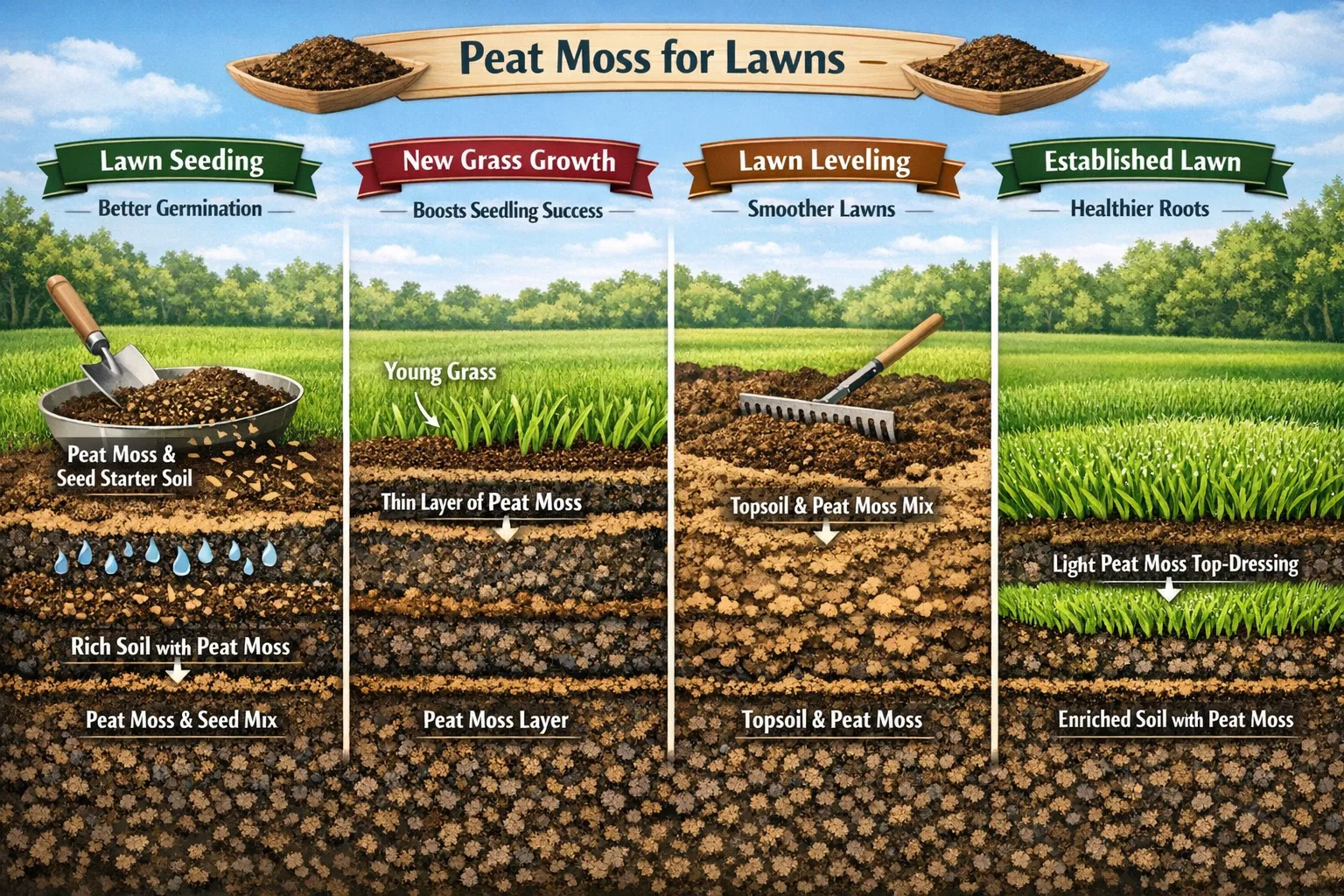
- For Lawn Seeding: Mix peat moss with seed starter mix for better germination
- New Grass: Spread a thin layer over soil before planting seeds
- Lawn Leveling: Combine peat moss with topsoil to smooth uneven areas
- Established Grass: Lightly top-dress lawns to improve moisture and soil structure
How to Apply Peat Moss for Specific Plants
- Prepare the soil: Remove weeds and debris
- Moisten peat moss: Makes it easier to mix
- Mix into topsoil: 2–3 inches for new planting, ¼–½ inch for top dressing
- Combine with compost or fertilizer: Provides extra nutrients
- Water thoroughly: Helps peat moss integrate into the soil
Proper application ensures plants get maximum benefits.
Benefits of Using Peat Moss for Plants
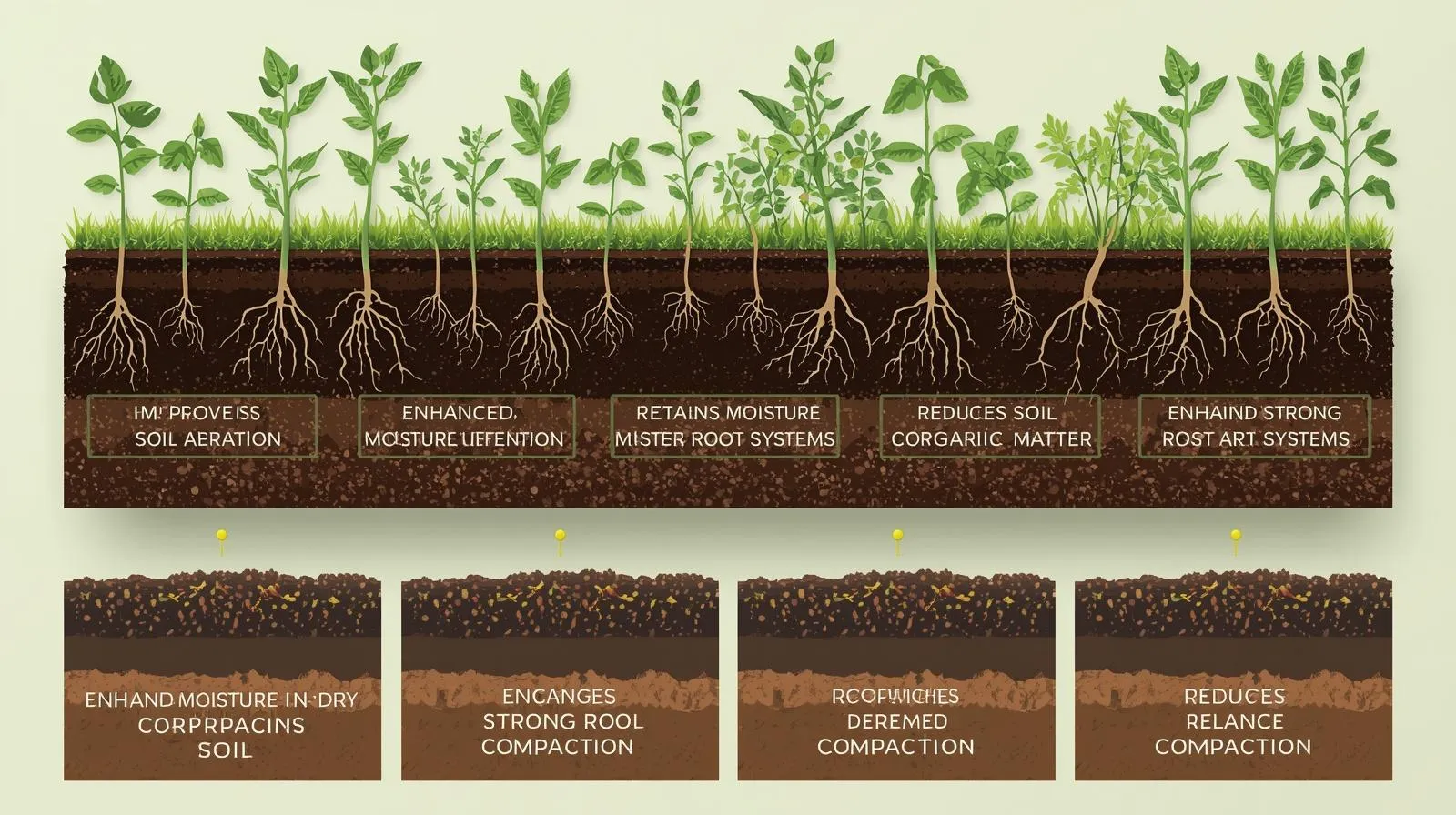
- Improves soil aeration
- Retains moisture in dry conditions
- Encourages strong root systems
- Enhances soil organic matter
- Reduces compaction for better growth
Peat moss is especially useful in sandy or clay-heavy soils.
Tips for Best Results
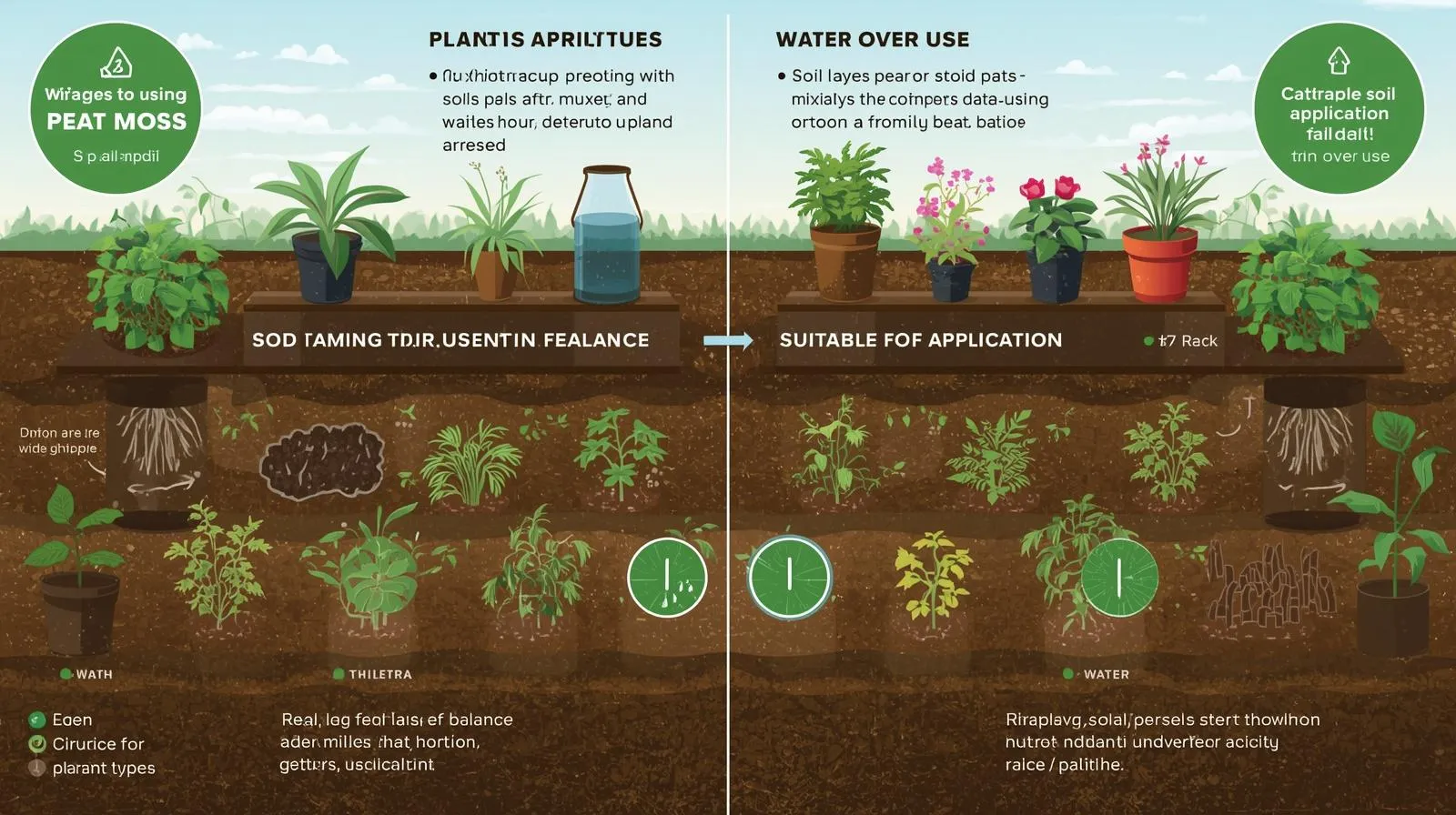
- Spread thin layers to avoid smothering seeds
- Mix with soil or compost for nutrient balance
- Avoid overuse to prevent excess acidity
- Water well after applying
- Use for both indoor and outdoor plants
Common Mistakes to Avoid
- Using dry peat moss without moisture
- Applying thick layers on seeds or seedlings
- Ignoring soil testing before application
- Relying solely on peat moss for nutrients
FAQs
Can I use peat moss for new grass?
Yes, it helps seed germination and moisture retention.
Is peat moss good for lawn leveling?
Yes, mix with topsoil to smooth uneven patches.
Does peat moss replace fertilizer?
No, it improves soil but does not supply enough nutrients.
How often should I apply peat moss to my lawn?
Once or twice per season is usually sufficient.
Can I use peat moss for flowers and shrubs too?
Yes, it helps retain moisture and promotes root growth.
Pro Tip
Pro Tip: Mix peat moss with compost when planting new grass. It keeps soil moist and improves root strength for a thicker, greener lawn.