

How to Plan a Commercial Aquaculture Facility From the Ground Up
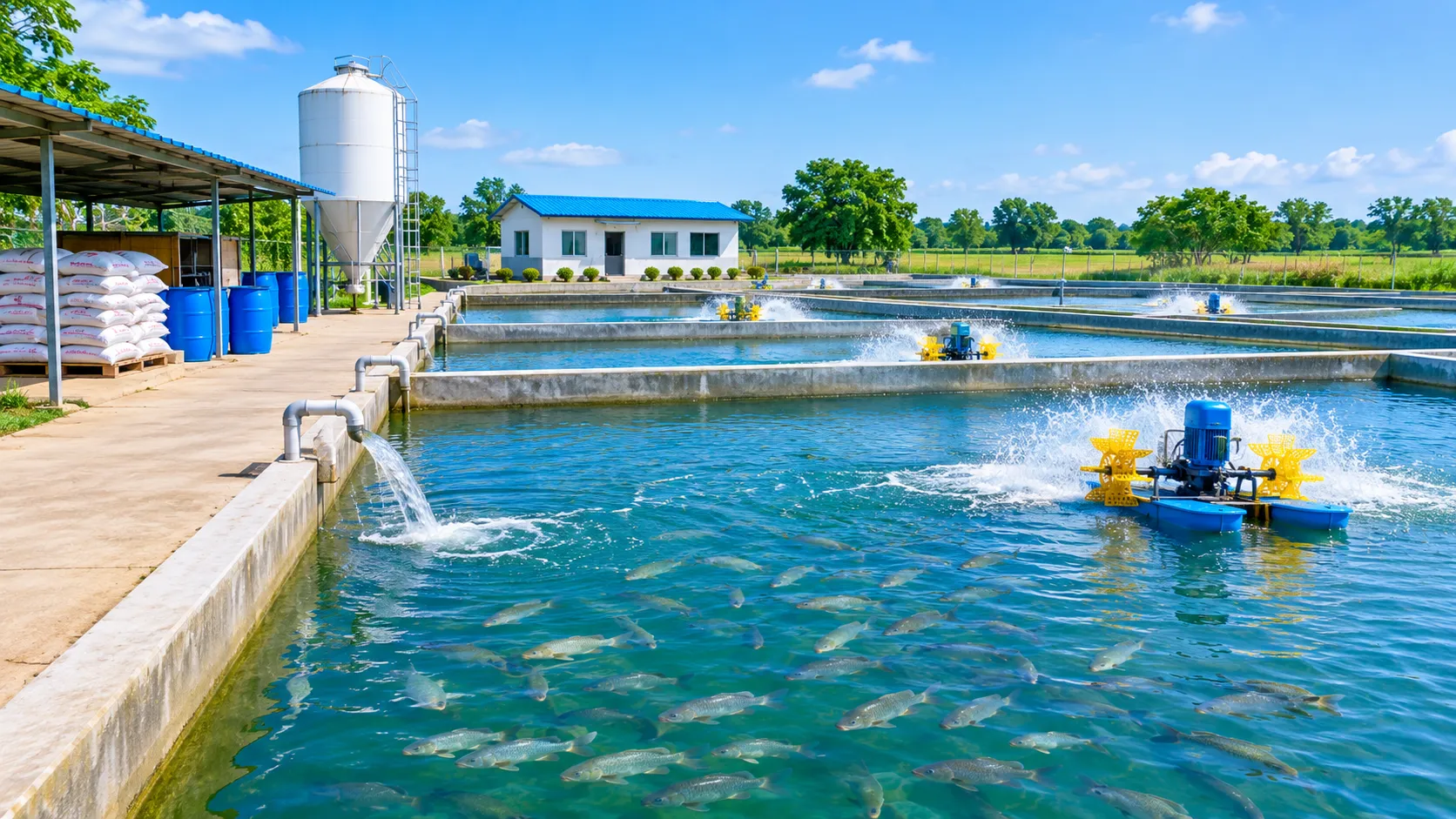
How to Plan a Commercial Aquaculture Facility From the Ground Up
Commercial aquaculture is one of the fastest-growing areas of modern food production. As the demand for seafood continues to increase, fish farming provides an opportunity for businesses to produce fresh, healthy, and high-quality fish throughout the year. However, starting a successful fish farm requires more than simply buying fish and putting them into a pond. It requires careful planning, suitable land, a reliable water supply, proper equipment, healthy fish, and a clear business strategy.
If you are planning to build a commercial aquaculture facility from the ground up, you need to understand every stage of the process. From selecting the right location to designing fish tanks, managing water quality, choosing fish species, and controlling operating costs, each decision can affect the success of your business.
A well-planned aquaculture facility can help reduce production risks, improve fish growth, save resources, and increase long-term profits. Whether you want to establish a small commercial fish farm or a large-scale fish production facility, having a clear plan will help you make better decisions.
Selecting the Right Location for a Commercial Aquaculture Facility
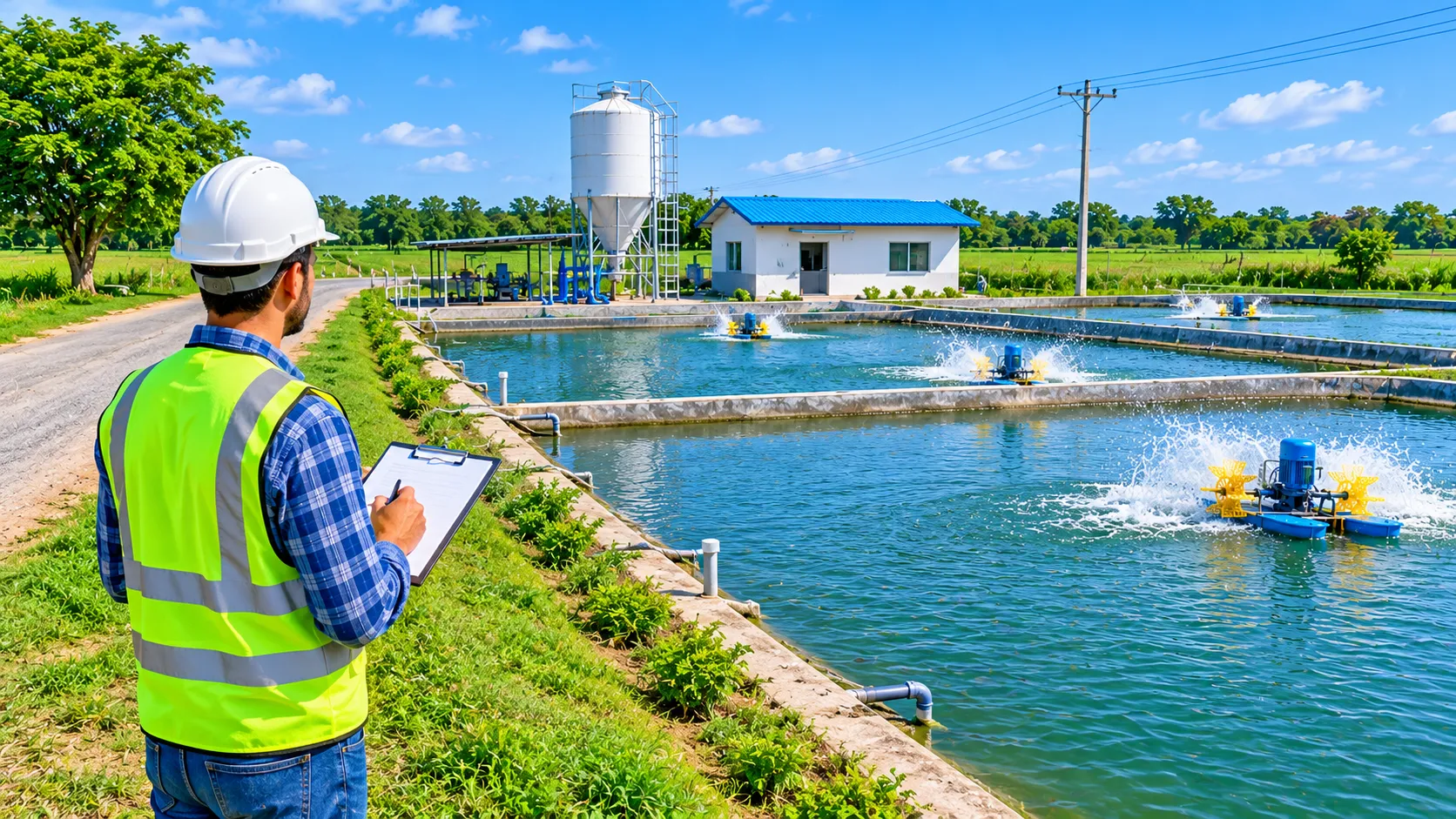
Choosing the right location is one of the most important steps when planning a commercial aquaculture facility. The location affects fish health, production costs, water availability, transportation, and future business growth.
Before purchasing land or starting construction, study several possible locations. Do not select a site only because the land is cheap. A low-cost property may create expensive problems if it does not have enough water, suitable soil, reliable electricity, or easy access to markets.
Here are some important factors to consider:
1. Reliable Water Supply
Fish need clean water to survive and grow. Your selected location should have a reliable water source, such as groundwater, wells, rivers, reservoirs, or approved water supply systems. Test the water before making a final decision.
2. Suitable Soil Conditions
If you are planning an earthen fish pond, soil quality is very important. Clay-rich soil can help hold water, while highly sandy soil may allow water to escape. A professional soil test can help identify possible problems.
3. Electricity Availability
Commercial fish farms often depend on electricity to operate water pumps, aerators, filtration systems, oxygen equipment, and automatic feeders. A reliable power supply is essential, especially for intensive fish farming and Recirculating Aquaculture Systems (RAS).
4. Transportation and Market Access
Choose a location with good road connections. Easy transportation helps you receive fish feed, equipment, fingerlings, and other supplies. It also makes it easier to deliver fresh fish to restaurants, seafood markets, wholesalers, and processing companies.
5. Environmental Conditions
Check the local climate, rainfall, temperature, flood risks, and seasonal changes. These conditions can affect fish growth and water quality.
6. Distance From Pollution Sources
Avoid locations near industrial wastewater, chemical discharge, sewage systems, and other sources of contamination.
According to the Food and Agriculture Organization (FAO), water supply, water quality, soil conditions, climate, and economic factors should all be considered during aquaculture site selection.
Commercial Aquaculture Systems and Production Methods
Before designing your fish farm, you need to decide which aquaculture production system is best for your business. Different systems require different amounts of land, water, labor, equipment, and investment.
Your choice should depend on your budget, target production, fish species, available resources, and local market demand.
The main commercial aquaculture production methods include:
1. Extensive Aquaculture
Extensive aquaculture uses natural food sources, such as algae, plankton, and other organisms found in the water. Fish are stocked at relatively low densities, and farmers usually require less equipment and feed.
This method is commonly used in large ponds and natural water bodies. It has lower operating costs but may produce less fish per acre.
2. Semi-Intensive Aquaculture
Semi-intensive fish farming combines natural food with additional commercial fish feed. Farmers may also use aerators and other basic equipment to improve water conditions.
This method provides a balance between investment, production, and management needs.
3. Intensive Aquaculture
Intensive aquaculture uses higher stocking densities, commercial feed, water filtration, aeration, and regular monitoring. Fish production can be higher in a smaller space, but the system requires more investment and skilled management.
4. Integrated Aquaculture
Integrated aquaculture combines fish farming with other agricultural activities. For example, fish farming may be connected with vegetable production, livestock operations, or aquaponics.
Aquaponics combines aquaculture with hydroponics, allowing fish waste nutrients to support plant growth.
Each production method has advantages and limitations. A commercial fish farm should use a system that matches its production goals and available resources.
Aquaculture Business Feasibility Study and Market Research
Before investing money in a commercial fish farm, complete an aquaculture business feasibility study. This study helps you understand whether your proposed facility can operate successfully and generate enough income.
Many new fish farming businesses face financial problems because they build facilities without studying market demand, production costs, and selling prices.
Start with detailed market research.
1. Identify Your Target Customers
Find out who will purchase your fish. Potential customers include:
- Seafood wholesalers
- Fish markets
- Restaurants and hotels
- Supermarkets
- Food processing companies
- Direct consumers
- Export companies
2. Study Market Demand: Research which fish species are popular in your target market. Check customer preferences, seasonal demand, local competition, and average selling prices.
3. Calculate Production Costs: Estimate the cost of land, construction, fish feed, fingerlings, electricity, labor, water treatment, packaging, transportation, and maintenance.
4. Estimate Production Capacity: Calculate how many fish your facility can produce during each production cycle. Consider stocking density, fish growth rates, survival rates, and harvest size.
5. Analyze Competitors: Study other commercial fish farms in your area. Find out what species they produce, how they sell their products, and what makes their businesses successful.
6. Calculate Expected Revenue: Estimate potential income using realistic production and selling price figures.
For example, if a farm produces 10,000 kilograms of market-size fish and sells them for an average of $3 per kilogram, its gross sales would be $30,000. This is revenue, not profit. Feed, labor, energy, transport, and other expenses must still be deducted.
A proper feasibility study should also include a risk assessment, cash flow forecast, break-even analysis, and return on investment.
For additional guidance, the University of Missouri Extension provides useful information about planning an aquaculture business.
Choosing the Best Fish Species for Commercial Aquaculture
| Fish Species | Ideal Farming Environment | Growth Characteristics | Feeding Requirements | Key Advantages |
| Tilapia | Freshwater ponds, tanks, and RAS | Relatively fast growth | Commercial pellets and formulated feed | Fast growth, adaptable, and strong market demand |
| Catfish | Freshwater ponds and tank-based systems | Good growth under suitable conditions | Commercial pellets and protein-rich feed | Popular market species and accepts formulated feed |
| Common Carp | Freshwater ponds and polyculture systems | Moderate to fast growth | Natural pond food and supplementary feed | Adaptable and suitable for polyculture farming |
| Rainbow Trout | Cold-water ponds, raceways, and flow-through systems | Good growth in cool, oxygen-rich water | High-protein commercial feed | Valuable market species |
| Salmon | Specialized marine cages and land-based aquaculture systems | Requires carefully controlled growing conditions | Specialized high-quality feed | High commercial value and established global demand |
| Pacific White Shrimp | Brackish-water ponds and controlled tank systems | Relatively fast production cycle | Specialized shrimp feed | Strong export potential and commercial demand |
Aquaculture Facility Design, Layout, and Infrastructure Planning
- Production Area: Provide sufficient space for earthen ponds, concrete tanks, fiberglass tanks, raceways, and other fish-rearing systems.
- Water Treatment Area: Install filtration systems, water pumps, aeration equipment, and waste-removal systems to maintain good water quality.
- Feed Storage Area: Build a clean, dry, and secure storage facility to protect fish feed from moisture, mold, pests, and contamination.
- Hatchery and Nursery Area: Allocate a separate space for fish breeding, egg incubation, larval rearing, and fingerling production.
- Harvesting and Processing Area: Provide enough space for fish grading, weighing, harvesting, temporary holding, packing, and cold storage.
- Staff and Maintenance Area: Include offices, changing rooms, sanitation facilities, equipment storage, and maintenance workshops.
- Drainage System: Design proper drainage channels to remove wastewater and prevent waterlogging around the facility.
- Emergency Access Routes: Provide clear access roads for farm vehicles, harvesting equipment, emergency services, and transportation.
- Backup Power System: Install generators or alternative power sources to operate pumps, aerators, filtration systems, and other essential equipment during power outages.
- Chemical and Equipment Storage: Design safe, secure, and properly ventilated storage areas for chemicals, tools, machinery, and maintenance supplies.
- Construction Planning: Work with aquaculture engineers and experienced farm designers to prepare detailed site layouts and construction drawings.
Essential Infrastructure and Components of a Commercial Fish Farm
A commercial fish farm needs several infrastructure components to operate safely and efficiently. These components support fish production, water movement, feed storage, harvesting, and daily maintenance.
The exact infrastructure depends on the size and type of aquaculture facility.
- Fish Ponds or Tanks: Ponds and tanks are the main production units. Their size, shape, depth, and material should match the selected fish species and farming method.
- Water Pumps and Pipelines: Pumps move water between production units, storage tanks, and filtration systems. Pipelines should be properly sized to provide enough water flow.
- Aeration Systems: Aerators increase oxygen levels in ponds and help prevent oxygen shortages. Common options include paddlewheel aerators, diffused aeration systems, and air blowers.
- Drainage Systems: Proper drainage helps remove wastewater, excess solids, and unwanted water from production units.
- Storage Facilities: You need secure areas for fish feed, spare parts, nets, testing equipment, and other supplies.
- Backup Power Supply: Power failures can quickly become dangerous in intensive fish farms. Backup generators or other reliable emergency power systems can help keep pumps and oxygen equipment running.
- Harvesting Equipment: Nets, grading tools, weighing scales, fish containers, and handling equipment are important for harvesting and preparing fish for sale.
- Cold Storage: If fish are not sold immediately, ice machines, chillers, or cold storage facilities can help maintain product quality.
Investing in suitable infrastructure from the beginning can improve daily operations and reduce unexpected repair costs.
Water Supply, Filtration, and Quality Management Systems
Water quality is one of the most important factors in commercial aquaculture. Fish depend on water for oxygen, temperature control, waste removal, and normal body functions. Poor water quality can cause slow growth, stress, disease, and even mass fish deaths. A commercial aquaculture facility should have a clear water management plan that includes testing, filtration, aeration, and regular maintenance.
Important water quality parameters include:
1. Dissolved Oxygen (DO): Dissolved oxygen is the amount of oxygen available in water for fish to breathe. Low oxygen levels can cause stress and fish mortality. The required level depends on the species and production system.
2. Water Temperature: Each fish species has a preferred temperature range. Regular monitoring helps prevent heat stress and poor growth.
3. pH Level: The pH level measures how acidic or alkaline the water is. Sudden changes can harm fish and affect the toxicity of certain water compounds.
4. Ammonia: Ammonia is produced through fish waste and the breakdown of uneaten feed. High levels can be toxic to fish.
5. Nitrite and Nitrate: Nitrite can be harmful to fish, while nitrate generally becomes a concern at higher concentrations. Both should be monitored as part of water quality management.
6. Water Hardness and Alkalinity: These factors influence water stability and biological processes, including nitrification in RAS biofilters.
Common water treatment methods include:
- Mechanical filtration
- Biological filtration
- Sedimentation
- Aeration
- UV disinfection
- Water exchange
- Proper sludge removal
Test water regularly using suitable meters and laboratory testing where necessary. Keep records of results so that changes can be identified early.
Recirculating Aquaculture Systems (RAS), Fish Ponds, and Tank-Based Farming
Selecting the right production system is essential when designing a commercial aquaculture facility. Three common options are Recirculating Aquaculture Systems (RAS), earthen fish ponds, and tank-based farming.
Each system has different water requirements, construction costs, production capacity, and management needs.
1. Recirculating Aquaculture Systems (RAS)
RAS is a modern fish farming method that cleans and reuses most of the water within a controlled production system.
A typical RAS facility includes:
- Fish tanks
- Mechanical filters
- Biological filters
- Pumps
- Aeration equipment
- Oxygen supply systems
- Water quality sensors
- Waste removal equipment
Mechanical filtration removes solid waste, while biological filtration uses beneficial bacteria to convert toxic ammonia into less harmful compounds.
RAS can support high production in a limited space and reduce water consumption. However, it requires skilled staff, reliable electricity, regular monitoring, and a higher initial investment.
2. Earthen Fish Ponds
Earthen ponds are commonly used for freshwater aquaculture. They can be suitable for species such as tilapia, carp, and catfish.
Pond farming may have lower construction costs than a fully equipped RAS facility, depending on land and site conditions.
Important pond management activities include water exchange, aeration, pond preparation, stocking, feeding, and harvesting.
3. Tank-Based Fish Farming
Tank-based farming uses concrete, fiberglass, plastic, or other suitable tanks to raise fish.
These systems offer better control over stocking, feeding, and harvesting than many traditional ponds. They can also be connected to filtration and water circulation equipment.
Before selecting a system, compare the initial investment, water supply, energy costs, production targets, and technical skills required.
Essential Aquaculture Equipment and Technology
Modern aquaculture facilities depend on suitable equipment to maintain water quality, feed fish, monitor production, and improve farm efficiency. The equipment you need will depend on your farming method and production capacity.
Some essential aquaculture equipment includes:
- Water Pumps: Water pumps move water through ponds, tanks, pipelines, and filtration systems. Select pumps based on the required flow rate and operating conditions.
- Aerators and Oxygen Systems: Aerators improve oxygen transfer in ponds, while oxygen cones and oxygen generators may be used in some intensive systems.
- Water Quality Testing Equipment: Digital meters and testing kits help measure dissolved oxygen, pH, temperature, ammonia, and other important water parameters.
- Automatic Fish Feeders: Automatic feeders distribute feed at planned times. They can reduce labor requirements and help provide more consistent feeding.
- Filtration Equipment: Mechanical filters, drum filters, biofilters, and settling tanks help remove waste and maintain water quality.
- Fish Grading Equipment: Grading machines help separate fish according to size. This can reduce competition and improve production management.
- Monitoring and Control Systems: Modern farms may use digital sensors, alarms, and automated controls to monitor water conditions and equipment performance.
- Harvesting Equipment: Harvesting nets, weighing scales, fish containers, and handling tools help make harvesting safer and more efficient.
Choose reliable equipment that is easy to maintain. Also, make sure spare parts and technical support are available.
Fish Nutrition, Feeding Systems, and Feed Management
Fish nutrition plays a major role in the success of commercial aquaculture. Healthy fish need a balanced diet to grow properly, develop strong bodies, and maintain good health.
Fish feed is also one of the largest operating expenses in many commercial fish farming businesses. Poor feeding practices can increase costs and damage water quality.
A good fish feeding program should consider:
1. Protein Requirements: Protein supports fish growth and muscle development. Different fish species and growth stages require different protein levels.
2. Fats and Energy: Fats provide energy and help fish use nutrients efficiently. The correct balance depends on the species and feed formula.
3. Vitamins and Minerals: Vitamins and minerals support normal body functions, bone development, immunity, and overall fish health.
4. Feed Pellet Size: Choose pellet sizes that match the mouth size and feeding behavior of the fish. Small fingerlings usually need smaller feed particles than adult fish.
5. Feeding Frequency: Young fish may need several small meals each day, while larger fish may require fewer feeding sessions.
6. Feed Conversion Ratio (FCR):FCR measures how much feed is required to produce a unit of fish weight gain. For example, if fish consume 1.5 kilograms of feed to gain 1 kilogram of body weight, the FCR is 1.5.
A lower FCR generally means better feed efficiency, although results depend on species, feed quality, and production conditions.
Monitor fish appetite, growth, feed consumption, and leftover feed. Adjust feeding rates as fish grow.
Fish Health Management, Biosecurity, and Disease Prevention
Fish health management is essential for protecting production and maintaining a profitable aquaculture business. Diseases can spread quickly in crowded production systems, especially when water quality is poor or biosecurity measures are weak. A commercial aquaculture facility should have a written fish health and biosecurity plan.
1. Buy Healthy Fingerlings: Purchase fingerlings from reliable hatcheries with good health records. Inspect new fish before introducing them into production tanks or ponds.
2. Use Quarantine Procedures: Keep new fish in a separate quarantine area for an appropriate period before moving them into the main production system.
3. Maintain Good Water Quality: Monitor oxygen, temperature, pH, ammonia, and other important parameters. Stable water conditions help reduce stress.
4. Control Farm Access: Limit unnecessary visitors and keep a record of people entering production areas. Provide suitable cleaning and disinfection facilities.
5. Clean and Disinfect Equipment: Nets, containers, tanks, and other equipment should be cleaned and disinfected using appropriate procedures.
6. Monitor Fish Behavior: Watch for unusual swimming, reduced appetite, skin damage, abnormal breathing, or unexpected deaths.
7. Work With Aquatic Animal Health Experts: If disease is suspected, contact a qualified aquatic animal health professional. Avoid using medicines or chemicals without proper diagnosis and guidance.
Biosecurity should also include safe fish disposal, pest control, movement records, and procedures for preventing fish escapes. Prevention is usually more effective and less expensive than treating a serious disease outbreak.
Commercial Aquaculture Facility Construction Costs and Budget Planning
Construction costs are an important part of planning a commercial aquaculture facility. The total investment depends on the production system, land size, building materials, equipment, water supply, and target production capacity.
There is no single construction price that applies to every fish farm. A small earthen pond facility may require a very different budget from a large indoor RAS operation.
Your budget should include the following expenses:
- Land Purchase or Lease: Calculate land costs, legal fees, site preparation, and access improvements.
- Facility Construction: Include pond excavation, concrete tanks, buildings, drainage channels, pipelines, and other construction work.
- Water Supply and Treatment: Budget for wells, pumps, storage tanks, filtration units, and water testing equipment.
- Aquaculture Equipment: Include aerators, feeders, oxygen systems, filters, sensors, harvesting equipment, and backup generators.
- Fish Stocking: Calculate the cost of fingerlings, transportation, quarantine, and initial stocking.
- Fish Feed: Estimate feed expenses based on stocking numbers, expected growth, feeding rates, and production cycles.
- Labor Costs: Include salaries for farm managers, technicians, workers, security staff, and maintenance personnel.
- Operating Expenses: Consider electricity, fuel, water, repairs, packaging, transportation, insurance, and other recurring expenses.
- Emergency Reserve: Keep additional funds for equipment failures, disease outbreaks, feed price increases, and unexpected repairs.
Aquaculture Business Planning, Production Management, and Profitability
Building a commercial aquaculture facility is only the beginning. Long-term success depends on good business planning, careful production management, and regular financial monitoring. A successful fish farm needs a clear operating plan that explains how fish will be stocked, fed, monitored, harvested, and sold.
- Set Clear Production Goals: Decide how much fish you want to produce each month or year. Set realistic targets based on your facility size, stocking density, fish growth, and available resources.
- Create a Stocking Schedule: Plan when fingerlings will enter production units and when fish will reach market size. Staggered stocking may help maintain a more regular supply of fish.
- Monitor Fish Growth: Regularly sample fish to measure average weight, size variation, survival rate, and growth performance.
- Control Feed Expenses: Record daily feed use and calculate FCR. Good feed management can improve production efficiency and reduce unnecessary costs.
- Maintain Production Records: Keep records of stocking numbers, mortality, water quality, feed consumption, treatments, harvesting, and sales.
- Build Strong Market Relationships: Develop relationships with wholesalers, retailers, restaurants, seafood distributors, and processing companies before harvesting begins.
- Review Financial Performance: Calculate revenue, operating expenses, gross margin, net profit, and break-even production levels.
- Plan for Future Growth: Once the facility is operating successfully, consider expanding production, adding new tanks, improving automation, or introducing additional compatible species.
Profitability depends on many factors, including fish survival, growth rate, feed costs, energy use, market prices, and production efficiency. Regularly review these factors to identify problems early.
Sustainable aquaculture practices can also support long-term business success by improving resource use, reducing waste, and protecting the surrounding environment.
Conclusion
Planning a commercial aquaculture facility from the ground up requires careful research, proper investment, and a clear understanding of fish farming operations. Every stage, from selecting suitable land and choosing fish species to designing production systems and managing water quality, plays an important role in business success.
A well-designed facility should have a reliable water supply, efficient filtration, suitable fish tanks or ponds, modern aquaculture equipment, proper feeding systems, and strong biosecurity practices.
Business owners should also complete a feasibility study, understand construction and operating costs, research customer demand, and obtain the necessary environmental and business approvals before starting construction.
Whether you choose traditional pond farming, tank-based aquaculture, or a Recirculating Aquaculture System (RAS), your production method should match your budget, local conditions, and long-term goals.
The most successful aquaculture businesses focus on healthy fish, efficient production, responsible resource management, and consistent product quality. With proper planning and professional management, a commercial aquaculture facility can become a sustainable and profitable business.
Frequently Asked Questions (FAQs)
1. What is a commercial aquaculture facility?
A commercial aquaculture facility is a fish farming operation designed to raise fish, shrimp, or other aquatic organisms for sale. It may include fish ponds, tanks, hatcheries, water filtration systems, feeding equipment, and harvesting facilities.
2. How do I start a commercial aquaculture facility from the ground up?
Start by conducting market research and a feasibility study. Then select a suitable location, choose the right fish species, prepare a facility design, arrange water and electricity supplies, purchase equipment, obtain necessary permits, and develop a fish production and management plan.
3. What is the best location for a commercial fish farm?
The best location has a reliable clean water supply, suitable soil, good drainage, electricity, accessible roads, and proximity to target markets. The location should also have suitable environmental conditions for the selected fish species.
4. Which aquaculture system is best for commercial fish farming?
The best system depends on your budget, land availability, water resources, and production goals. Common options include earthen ponds, tank-based fish farming, flow-through systems, and Recirculating Aquaculture Systems (RAS).
5. What is a Recirculating Aquaculture System (RAS)?
A Recirculating Aquaculture System (RAS) is a fish farming method that filters and reuses water. It uses mechanical filtration, biological filtration, pumps, and oxygenation equipment to maintain suitable water conditions while reducing water consumption.
6. Which fish species are best for commercial aquaculture?
Popular commercial species include tilapia, catfish, common carp, rainbow trout, and salmon. The best choice depends on local climate, water temperature, feed availability, farming conditions, and market demand.
7. How much land is required for a commercial fish farm?
Land requirements depend on the production system and target output. Pond-based farms generally require more land, while intensive tank-based and RAS facilities can produce fish in smaller areas. A site assessment and production plan help determine the required land size.
8. What equipment is needed for a commercial aquaculture facility?
Essential equipment may include water pumps, aerators, fish tanks or ponds, filtration systems, automatic feeders, water quality testing meters, oxygen systems, harvesting nets, weighing scales, and backup generators.