

Retaining Wall Blocks: Types, Costs & Landscaping Uses
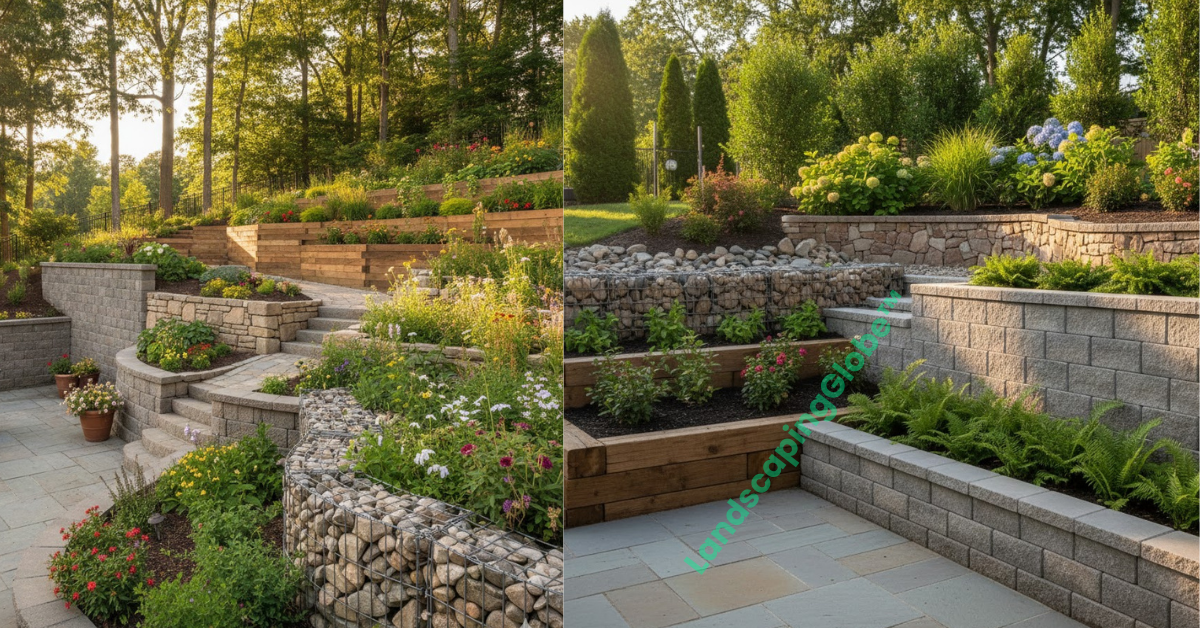
If you struggle with soil erosion or uneven yards, retaining wall blocks are a lifesaver. You can choose interlocking concrete blocks for a DIY-friendly, easy-to-stack solution. For stronger support, standard concrete blocks (CMU) are budget-friendly but need mortar.
Want beauty with strength? Decorative concrete blocks or natural stone add elegance while holding soil securely. Big projects benefit from large concrete blocks for taller walls, sometimes reinforced with geogrid. Timber works for simple landscapes, but landscape-grade wood avoids rot. Gabion baskets filled with rocks prevent erosion near slopes or water edges.
Costs vary: concrete blocks $5–$40/sq ft, stone $25–$95+/sq ft, labor $15–$50+/sq ft, depending on wall height, material, and drainage needs. People use them for terracing, structural support, and landscaping features like garden beds or patios. Choosing the right retaining wall material balances budget, style, and soil stability, making your yard safer and more attractive.
What Are Retaining Wall Blocks?
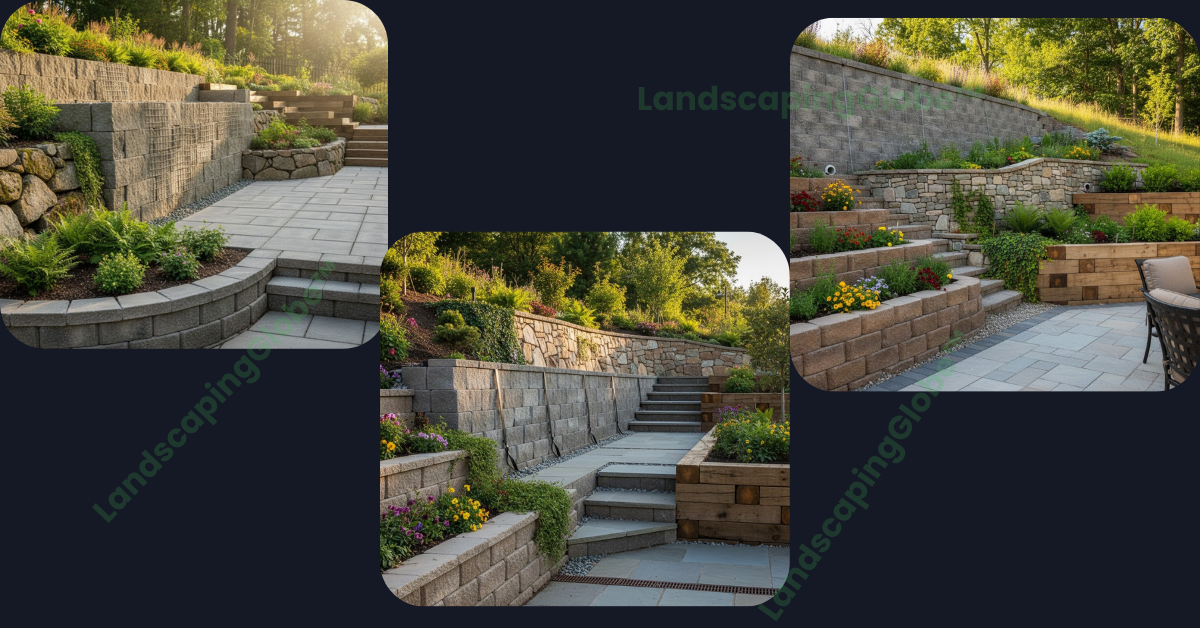
If your yard has slopes or uneven terrain, retaining wall blocks help keep soil in place and prevent erosion. These heavy-duty concrete or stone units create level areas for gardens, patios, and driveways, making spaces both functional and attractive. Many are interlocking blocks, which fit snugly without mortar, simplifying DIY installation.
Taller walls often need geogrid reinforcement for extra stability and strength. Common types include segmental/interlocking blocks, gravity walls, and geogrid reinforced walls, each suited for different heights and soil conditions. Materials vary: concrete, natural stone, or timber, depending on style and budget. Benefits include durability, versatility, and ease of use.
Proper drainage and considering soil type & wall height are crucial for long-lasting walls. Using retaining wall blocks enhances landscape design, prevents soil collapse, and adds visual appeal.
Why Retaining Walls Are Important in Landscaping
Retaining walls are essential for preventing soil erosion and controlling water runoff on sloped properties. They turn uneven land into usable gardens, patios, or terraces, enhancing both functionality and aesthetic appeal.
These walls provide stability for hilly terrain, protect foundations from water damage, and support more versatile outdoor living spaces. They physically hold soil, preventing landslides or barren patches, while proper drainage systems manage flooding and hydrostatic pressure.
By creating level areas, walls enable terracing, safe walkways, and raised garden beds, boosting both curb appeal and property value. They also support plant life, offering flat, well-irrigated spaces for healthier vegetation.
Well-designed retaining walls combine structure, safety, and beauty, transforming challenging slopes into functional and attractive landscaping features.
Types of Retaining Wall Blocks
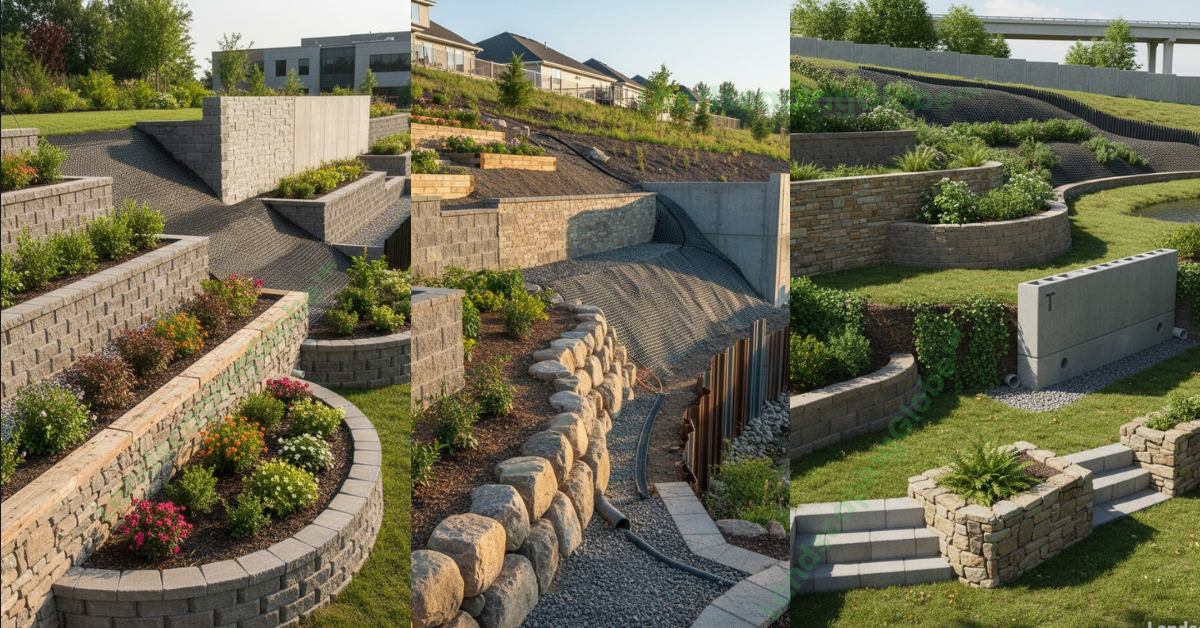
- Concrete Blocks: Affordable, versatile, smooth or textured finishes, used for small to large walls.
- Natural Stone: Premium look, dry-stacked or mortared, durable and decorative.
- CMU (Concrete Masonry Units): Strong, structural support, can be faced with veneer.
- Segmental/Interlocking Blocks: Easy DIY installation, stable design, systems like Duostone or Europa.
- Gravity Walls: Use block weight, ideal for short walls.
- Cantilever Walls: T-shaped concrete, handles soil pressure for taller walls.
- Reinforced Soil Walls (MSE): Geogrid/mesh support for very tall walls.
- Sheet Pile Walls: Steel or vinyl panels, temporary or permanent.
- Grades: Residential (light, small) and Commercial (heavy, machinery-needed) for different projects.
Concrete Retaining Wall Blocks
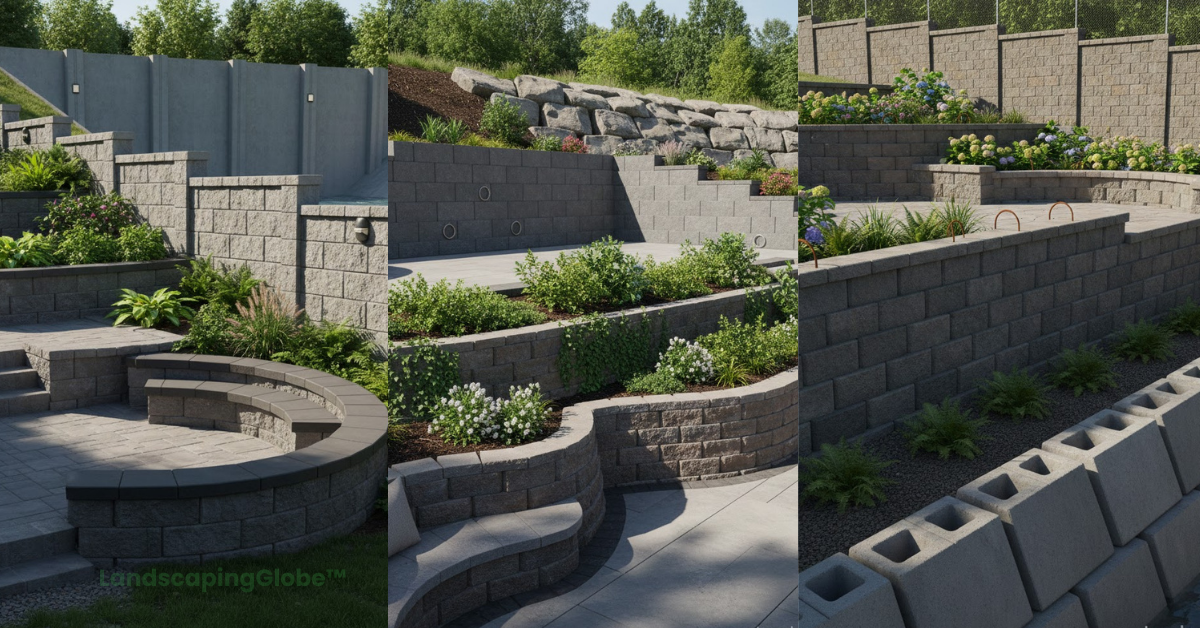
Concrete Retaining Wall Blocks are strong, durable, and affordable solutions for building gravity walls and terraced yards effectively.
Blocks range from 2x2x4 to 2x2x6, with some exceeding 2,000 lbs and featuring built-in rebar rings for extra stability.
They can be stacked like Legos, incorporated into interlocking systems, and used for seating walls, security walls, and flood control.
Finishes include grey charcoal, pewter, and sierra blend, combining durability, affordability, and attractive retaining wall structures for both residential and commercial spaces.
Suppliers like Hanover Concrete, McLeod Landscaping, Brickworks Supply, Mutual Materials, and Rosebud Concrete provide options for residential and commercial-grade blocks nationwide.
Natural Stone Retaining Wall Blocks
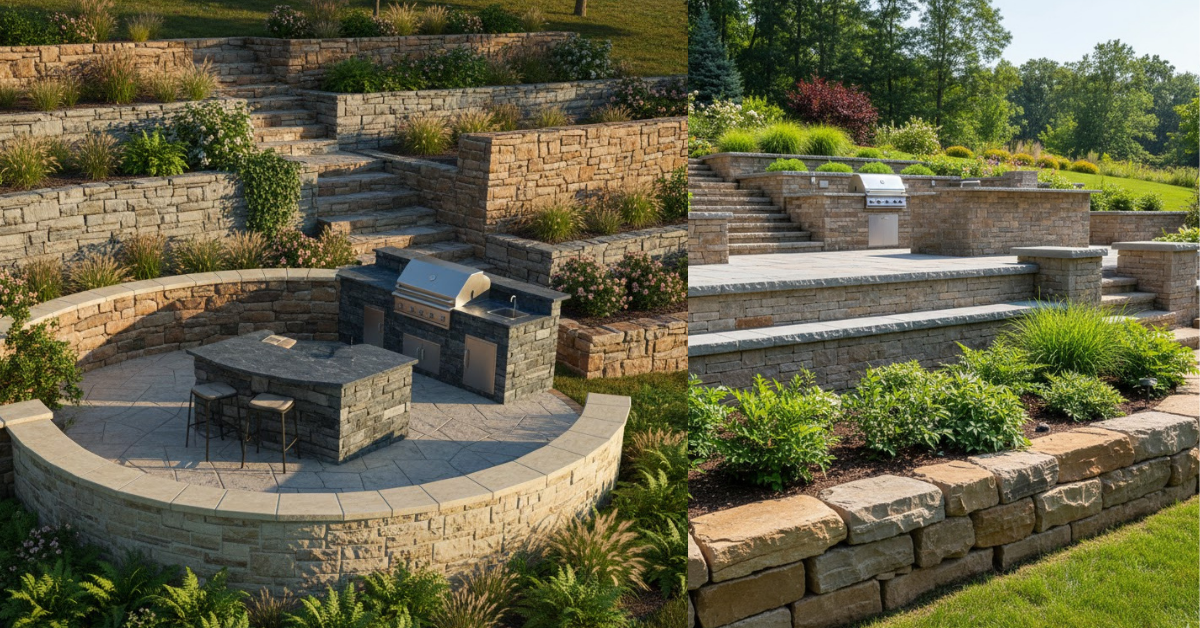
Natural Stone Retaining Wall Blocks provide durable, aesthetic solutions for landscaping, terraced gardens, and freestanding walls, enhancing outdoor living spaces.
EDEN, MOUNTAIN CREST, CHILTON, ManorStone, Brutus Rustic Wall, NEW YORK Bluestone, Armour Stone, Pavestone, Belgard, Mutual Materials supply versatile natural stone block options.
Blocks feature 8-inch widths and random lengths, suitable for residential, commercial, and DIY projects requiring strong, visually appealing retaining walls.
MagnumStone, Heritage Block, Green Monster Landscapes, StonesDirect.com, Absolute Natural Stones, Minick Materials, and SiteOne deliver quality stone blocks for long-lasting landscape structures.
Natural stone blocks support terraces, garden beds, seating walls, outdoor kitchens, and erosion control, adding structure, stability, and value to properties.
They come in varied colors, textures, and sizes, allowing homeowners and designers to create functional and visually stunning landscape features.
Interlocking Retaining Wall Blocks
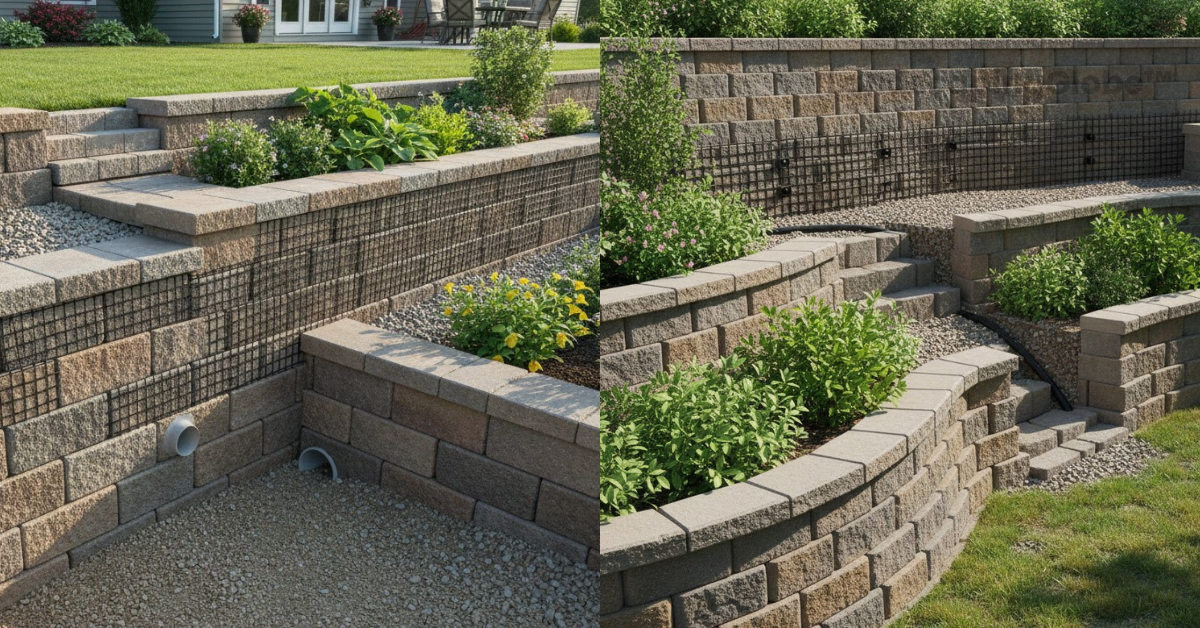
Interlocking retaining wall blocks are mortar-free concrete units that lock together using pins, lips, or tongues, creating strong, stable walls for landscaping and erosion control. DIY-friendly and durable, they are suitable for garden walls, terraces, and larger projects, with proper installation requiring gravel backfill, drainpipes, and a leveled trench base.
Taller walls often need geogrid reinforcement. Major suppliers include Lowe's, The Home Depot, Unilock, Belgard, Del Zotto Concrete Products, Pavestone, Oldcastle, Sunroc, RTS Companies Inc., ROCKWOOD, Castle X, providing versatile sizes and styles for modern outdoor designs.
Timber and Composite Retaining Wall Blocks
| Timber Retaining Wall Blocks | Composite Retaining Wall Blocks |
| Made from pressure-treated wood | Made from recycled composites |
| Natural look and garden warmth | Mimics wood, very durable |
| Lower cost upfront | Higher cost, low maintenance |
| DIY-friendly for small walls | May need professional planning |
| Lifespan: 8–15 years | Lifespan: 25–40+ years |
| Needs sealing and upkeep | Resistant to rot and insects |
| Uses rebar, screws, drainage | Requires stable base and drainage |
| Lightweight, easy to handle | Strong and stable |
| Good for short walls | Suitable for long-term walls |
Choosing the Right Retaining Wall Blocks
- Consider wall height and function: decorative (under 2 ft) vs structural (over 2 ft).
- Small walls: Roman stack stone, Nursery Stone, Chateau Wall™ DIY-friendly.
- Tall or load-bearing walls: geogrid-reinforced blocks, large concrete units, Big Blocks – may need professionals.
- Style choice: rustic/natural (natural stone, Tegula Garden Wall™), modern (Chateau Moderna™), classic brick.
- Site conditions: drainage, soil type, curves vs straight runs (serpentine-compatible systems).
- Cost vs longevity: high-quality blocks save money long-term by reducing repairs.
- Ensure stability, durability, and proper water management with correct installation.
Cost Factors Affecting Retaining Wall Blocks
- Material: Wood is the cheapest, stone is the most expensive, and concrete and brick are in between.
- Wall Size & Height: Bigger walls cost more in materials and labor.
- Labor: Skilled work, slopes, and complex sites increase costs.
- Site Prep: Clearing, leveling, and drainage add extra expenses.
- Permits & Engineering: Needed for walls over 4 ft, which can raise the total cost.
- Drainage & Reinforcement: Gravel, pipes, and geogrid add durability and cost.
- DIY vs Professional: DIY saves labor, but complex walls need experts.
Installation Costs and Labor Considerations
- Labor: Rates vary by location, crew size, skill, and experience; can be $25–$45/hour or $10–$25/sq ft.
- Project Complexity: Custom designs, advanced techniques, and prep work increase labor hours.
- Site Conditions: Sloped, uneven, or difficult terrain raises installation effort and costs.
- Productivity: Crew efficiency, tools, and coordination affect total labor expense.
- Trade Coordination: Waiting on other trades or materials can slow work and add cost.
- Materials: Installation costs include the blocks themselves plus gravel, pipes, or geogrid.
- Overhead & Burden: Taxes, insurance, and benefits can add 50–70% to base labor rates.
- Permits & Inspections: Required in many areas, especially for larger or structural walls.
- Contingency: 10–20% buffer recommended for unexpected issues like weather or hidden damage.
Uses of Retaining Wall Blocks in Landscaping
- Erosion Control: Holds back soil on slopes, preventing runoff, landslides, and foundation damage.
- Terracing & Leveling: Creates flat, usable spaces for gardens, patios, or lawns on sloped terrain.
- Drainage Management: Directs water away from foundations and critical areas to prevent flooding.
- Raised Garden Beds: Durable alternative to wood for vegetables, flowers, or herb gardens.
- Fire Pits & Outdoor Features: Strong, heat-resistant blocks for building fire pits, seating, or walls.
- Steps & Stairs: Blocks create functional and attractive stairways for grade changes.
- Landscape Edging: Define pathways, lawns, and garden beds with clean, structured lines.
- Water Features: Build ponds, waterfalls, or other aquatic elements using concrete, stone, or composite blocks.
- Accent Walls & Pillars: Add architectural interest, texture, and color to outdoor living spaces.
- Durability & Versatility: Concrete blocks, natural stone, and composites resist rot, insects, and weathering.
- Micro-Ecosystems: Gaps between blocks can support plants, insects, and small wildlife habitats.
Decorative vs Functional Retaining Walls
| Aspect | Functional Retaining Walls | Decorative Retaining Walls | Blended Approach |
| Purpose | Hold back soil, prevent erosion, stabilize slopes, and make steep areas usable | Define spaces, add curb appeal, and create features like raised beds | Combine structural support with visual appeal |
| Key Features | Require engineering, drainage systems, stable footings, and sometimes a batter | Focus on appearance, color, texture; no complex drainage | Structural integrity + aesthetic finishes |
| Materials | Poured concrete, segmented concrete blocks, large natural stone, timber | Brick, smaller stones, decorative concrete blocks, wood | Durable, attractive materials like stamped concrete or stone veneers |
| Examples | Walls supporting driveways, terraced gardens, and soil stabilization near foundations | Low garden borders, patio seating walls, and property line markers | Engineered walls faced with attractive stone or brick for terraced gardens |
| Professional Involvement | Recommended for walls with significant soil pressure; involve engineers or landscaping professionals | Often DIY-friendly; professional help optional | Crucial for taller walls or complex designs to ensure safety and longevity |
Retaining Walls for Slopes and Erosion Control – Key Points
- Hold back soil to prevent erosion.
- Stabilizes slopes and steep terrain.
- Manages water runoff and drainage.
- Creates terraces for usable land.
- Protects foundations and pathways.
- Uses materials like concrete, stone, and blocks.
- Types: Gravity, Cantilever, Reinforced, Gabion.
- Maintenance ensures wall longevity.
- Enhances landscape aesthetics.
Safety and Drainage Considerations
- Standing water creates slip/fall hazards (slippery surfaces)
- Stagnant water causes mosquito breeding and health risks (mosquitoes)
- Erosion damages roads and foundations (infrastructure damage, hydroplaning)
- Poor drainage increases construction hazards (trench collapse, equipment failure)
- Missing or damaged grates pose tripping hazards
- Proper drainage design includes slopes, cross-drainage, and open areas
- Use durable pipes, French drains, and grates
- Regular maintenance involves debris clearing, inspections, and professional cleanings
- Workers require PPE: ear, eye, hand, and high-visibility waterproof clothing
- Smooth slopes on roadways prevent accidents and water pooling
DIY vs Professional Retaining Wall Installation
| Feature / Factor | DIY Installation | Professional Installation |
| Labor | Homeowner-led; low cost, high effort | Skilled crew; faster, precise |
| Materials | Concrete blocks, natural stone, brick, timber | Interlocking concrete, geogrid, and large stone |
| Complexity | Low walls (<2 ft), garden beds | High walls, steep slopes, structural walls |
| Drainage & Safety | DIY French drains, careful base prep required | Engineered drainage, slope stabilization, safe installation |
| Site Preparation | Excavation, leveling, vegetation clearing | Handles grading, permits, excavation, difficult terrain |
| Cost | Lower upfront, higher risk of future repairs | Higher upfront, long-term durability |
| Tools & Equipment | Basic hand tools, rental equipment | Professional tools, machinery |
| Structural Integrity | Risk of improper installation or collapse | Engineered for stability and erosion control |
| Permit & Regulations | Must research local codes | Professionals ensure compliance |
Conclusion
Selecting the best retaining wall blocks for your project requires balancing functionality, aesthetics, and durability. Concrete blocks are a practical choice for their affordability and compatibility with geogrid reinforcement, making them ideal for slope stabilization and structural walls. Natural stone offers long-lasting strength and a premium decorative appearance, but often needs skilled labor and proper site preparation. Brick and wood work well for decorative walls or raised garden beds, though they may require more maintenance.
Key factors include whether the wall is functional, supporting soil,l and preventing erosion, or primarily decorative, the site conditions including drainage requirements, cost, and labor, as well as local permits for taller or load-bearing walls. By carefully considering these elements, homeowners can achieve a durable, visually appealing retaining wall that enhances both the stability and overall beauty of their landscape.
FAQs:
Q: How do I choose between a functional and decorative retaining wall?
A: If your goal is slope stabilization and erosion control, opt for functional retaining walls made with concrete or reinforced stone. For visual appeal, decorative walls with brick, wood, or decorative stone can enhance landscape aesthetics without needing heavy engineering.
Q: What factors affect the cost of retaining wall blocks?
A: Material type, wall height, site conditions, labor, permits, and drainage requirements influence cost. For example, natural stone is more expensive than concrete blocks, while complex slopes or poor site preparation increase installation costs.
Q: Can I install retaining wall blocks myself?
A: DIY installation is possible for small decorative walls or raised garden beds, but professional installation is recommended for tall walls, steep slopes, or projects requiring drainage management and structural integrity.
Q: How important is drainage for retaining walls?
A: Proper drainage prevents water buildup, soil erosion, and wall failure. Use French drains, gravel backfill, or geogrid reinforcement depending on the wall type and site conditions.
Q: How long do retaining wall blocks last?
A: Lifespan depends on material and installation quality. Concrete blocks and natural stone can last decades with proper maintenance, while wood may require treatment or replacement over time.