

How to Scale Aquaculture Without Hurting Water Quality
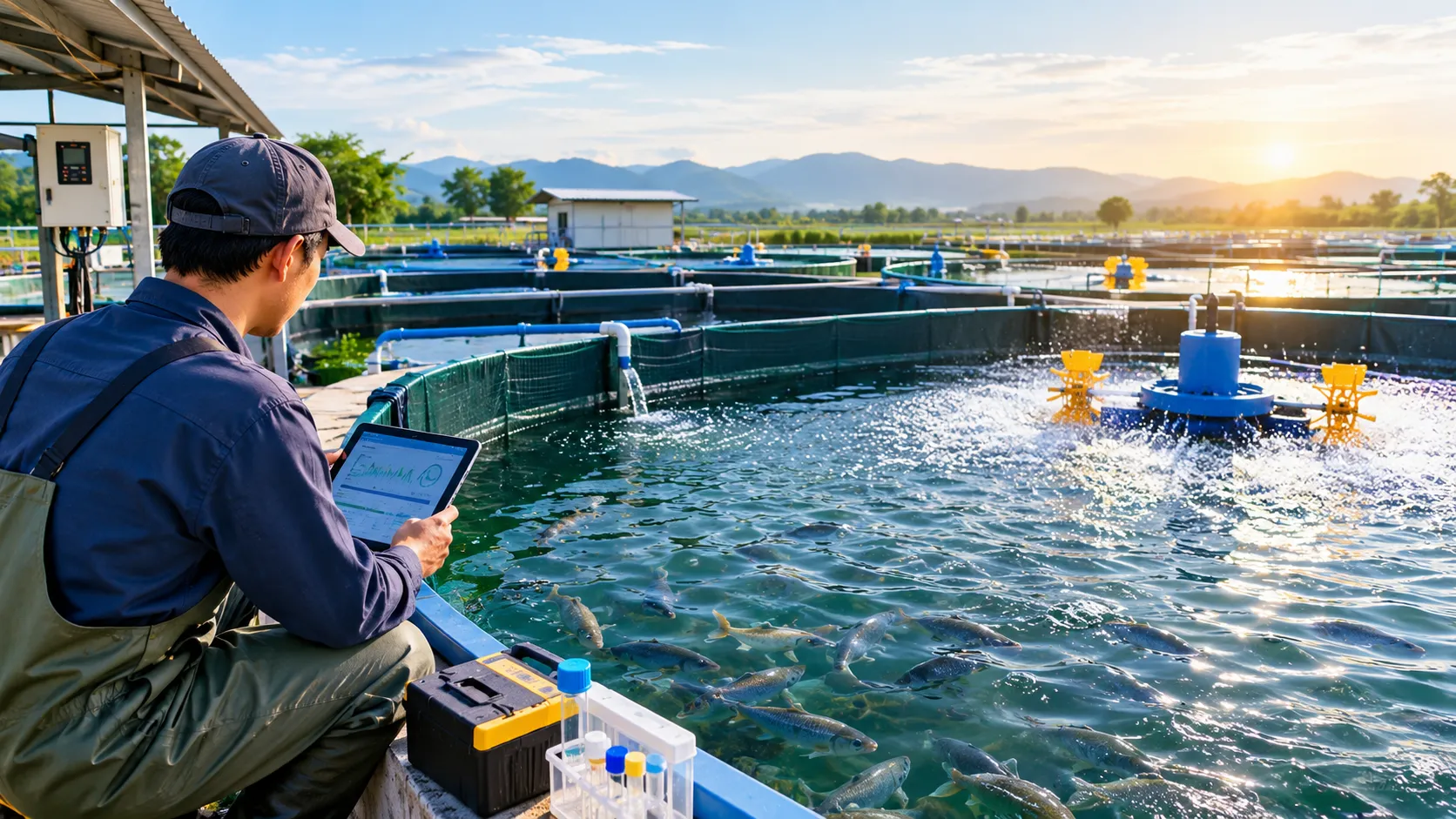
Aquaculture is one of the fastest-growing ways to produce fish and other aquatic foods. As demand for seafood increases, fish farmers need to produce more fish while keeping their systems clean, safe, and healthy. However, increasing fish production is not as simple as adding more fish to a pond or tank. Higher production can create more waste, use more oxygen, and place extra pressure on water quality.
Learning how to scale an aquaculture operation without compromising water quality helps farmers increase profits while protecting fish health and the environment. Whether you manage a small fish farm or a large commercial facility, good planning is essential for long-term success.
Modern aquaculture uses several methods to support growth, including better aeration, biological filtration, smart feeding, water quality monitoring, and Recirculating Aquaculture Systems (RAS). These methods help farmers control harmful substances, reduce water waste, and maintain stable growing conditions.
In this guide, you will learn how to expand a fish farming business step by step. We will cover water quality parameters, dissolved oxygen, pH levels, ammonia control, filtration systems, stocking density, fish health, and sustainable aquaculture practices.
Consider Before Scaling an Aquaculture Operation
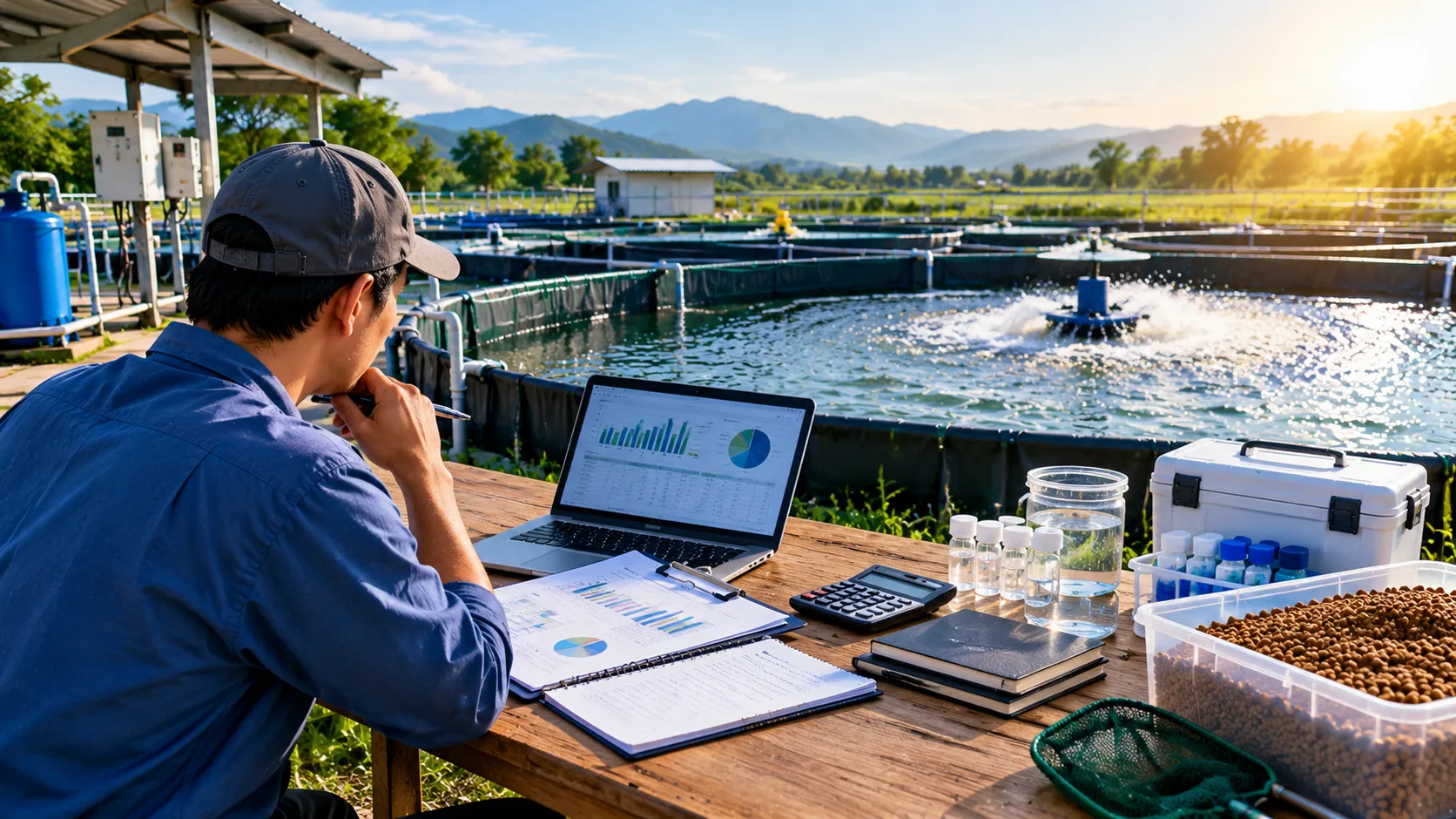
Before increasing fish production, farmers should understand the limits of their current system. Expanding without a clear plan can lead to poor water quality, slow fish growth, higher costs, and fish losses.
Start by reviewing your current production capacity. Check how many fish your ponds or tanks can support, how much water is available, and whether your pumps and aerators can handle a larger stock. Also, consider the type of fish you raise. Species such as tilapia, trout, and catfish have different oxygen needs, temperature ranges, and feeding habits.
Next, review your farm's operating costs. More fish require more feed, energy, labor, and waste treatment. You should calculate whether the expected increase in sales can cover these expenses.
Water supply is another important factor. Your source should provide enough water with suitable temperature, pH, and low levels of harmful pollutants. Test the water before increasing production.
Create a step-by-step expansion plan instead of making every change at once. Increase production in stages, monitor the results, and fix problems before moving to the next stage.
- Current and future fish production targets.
- Water supply and storage capacity.
- Aeration and filtration requirements.
- Feed storage and waste removal plans.
- Equipment maintenance and emergency backup systems.
- Budget, labor needs, and fish health management.
Careful planning helps reduce risks and makes aquaculture expansion easier to manage.
Essential Water Quality Parameters for Healthy Fish Farming
Water quality is the foundation of successful fish farming. Fish live in the water around them, so even small changes can affect their growth, feeding, and health. When production increases, farmers must monitor water conditions more closely.
Several water quality parameters are especially important.
- Dissolved oxygen (DO): Fish need oxygen in the water to breathe. Low oxygen can cause stress, reduce feeding, and lead to fish deaths.
- pH: This measures how acidic or alkaline the water is. The ideal range depends on the fish species and the farming system. Sudden changes can harm fish and affect ammonia toxicity.
- Water temperature: Temperature affects fish metabolism, oxygen demand, and growth. Warm water usually holds less oxygen than cool water.
- Ammonia: Fish release ammonia through their waste, and uneaten feed also adds to the problem. High levels can damage the gills and other tissues.
- Nitrite: This substance forms during the breakdown of ammonia. High nitrite levels can interfere with oxygen transport in fish.
- Nitrate: Nitrate is usually less toxic than ammonia and nitrite, but it can build up over time and affect some systems at high concentrations.
Other useful checks include alkalinity, hardness, turbidity, and suspended solids. Alkalinity helps keep pH stable, while suspended solids can clog gills and increase waste loads.
Test these parameters regularly and compare the results with the needs of your fish species. Record the readings so you can spot changes early and respond before they become serious problems.
Dissolved Oxygen Management for High-Density Aquaculture
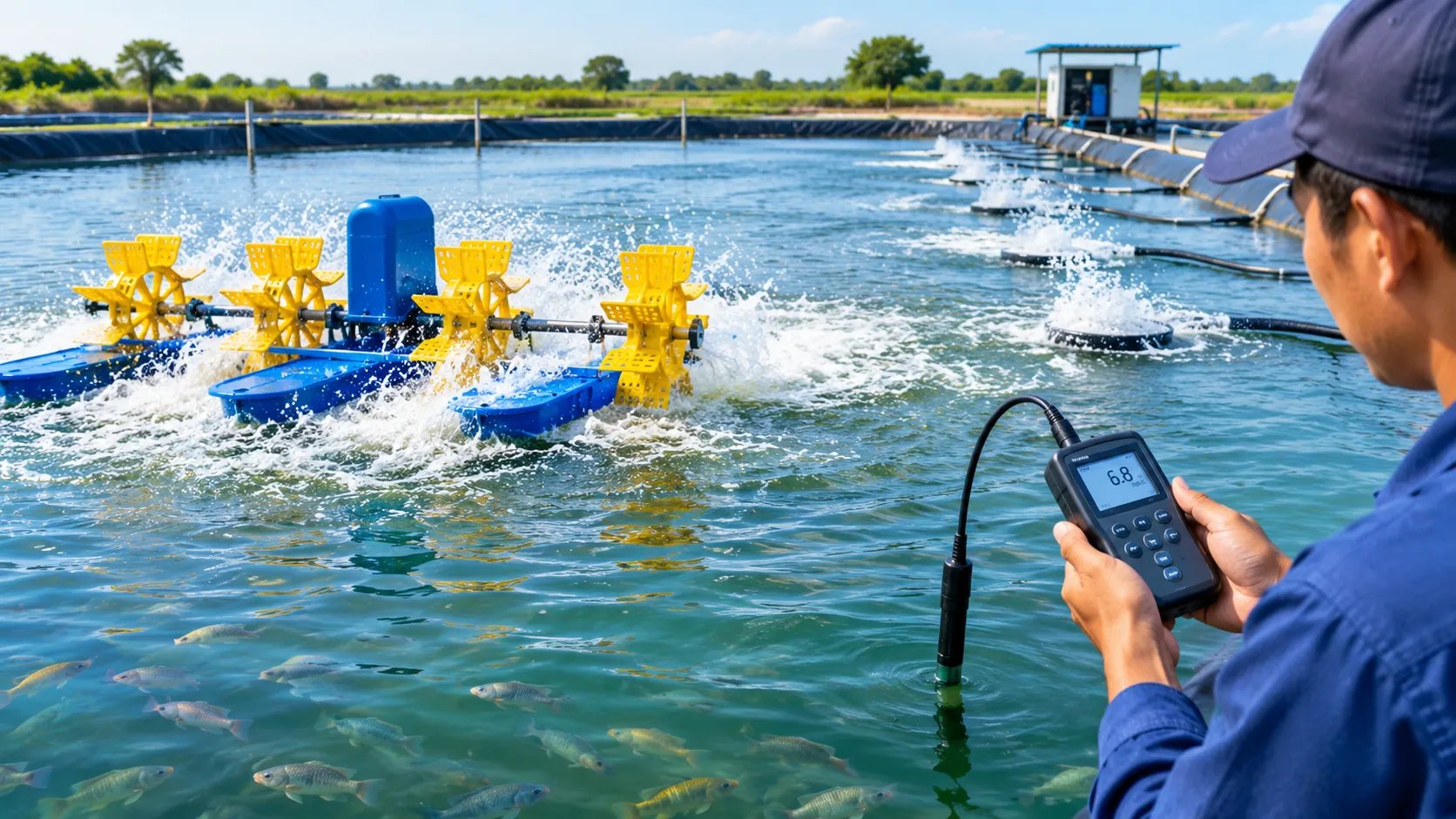
Dissolved oxygen becomes more important as fish numbers increase. More fish consume more oxygen, while their waste and leftover feed increase the activity of bacteria that also use oxygen. Without proper aeration, oxygen levels can fall quickly.
Farmers can maintain healthy oxygen levels by using suitable aeration equipment. Common options include paddlewheel aerators, air blowers, diffusers, and mechanical aerators. The right choice depends on pond size, tank design, water depth, fish species, and stocking density.
In tank-based systems, diffused air can help move oxygen through the water. In ponds, paddlewheel aerators can improve oxygen transfer and water circulation. Some farms also use oxygen injection systems when fish are raised at high densities.
Measure dissolved oxygen at different times of the day. Oxygen levels often fall overnight because algae and other organisms continue to use oxygen when there is no sunlight. Early morning is therefore an important time to check pond water.
Do not rely only on a fixed aeration schedule. Use a dissolved oxygen meter or sensor to understand changing conditions. Set suitable warning levels for your species and system.
Keep backup aerators, spare parts, and emergency power available. A power failure during hot weather can cause a rapid oxygen drop and threaten the entire stock.
Strong oxygen management supports feeding, growth, and fish health. It also gives farmers more control when increasing production.
Maintaining Optimal pH Levels in Aquaculture Systems
The pH level of water affects fish health, biological filtration, and the toxicity of certain chemicals. A pH reading below 7 is acidic, while a reading above 7 is alkaline. A value of 7 is neutral.
Many freshwater fish grow well within a pH range of about 6.5 to 8.5, but this is only a general guide. The suitable range depends on the species, life stage, and production system. Farmers should use species-specific guidance rather than treating one range as ideal for every fish.
Sudden pH changes can stress fish even when the final reading falls within a normally acceptable range. Low alkalinity can also make pH less stable. Alkalinity acts as a buffer that helps resist sudden changes.
To manage pH effectively, test the water regularly and track the results over time. Also monitor alkalinity, especially in recirculating aquaculture systems where biological filters use alkalinity during nitrification.
If pH needs adjustment, identify the cause before adding treatment chemicals. Agricultural limestone may help increase alkalinity in suitable ponds, while other systems may need carefully controlled treatment methods. The correct method depends on the water chemistry and farm design.
Avoid making large corrections in a short period. Add approved materials in controlled amounts and retest the water.
Stable pH supports fish health and helps beneficial bacteria work effectively. Good pH management is especially important when expanding production because greater feeding and waste loads can change water chemistry more quickly.
Ammonia, Nitrite, and Nitrate Control in Fish Farming
Ammonia, nitrite, and nitrate are important parts of the nitrogen cycle in aquaculture. These substances form as fish release waste and bacteria break down uneaten feed and other organic material.
Ammonia is one of the biggest water quality risks in intensive fish farming. It exists in different forms, including unionized ammonia (NH3) and ammonium (NH4+). Unionized ammonia is much more toxic to fish. Its concentration can rise as pH and temperature increase, so a simple total ammonia reading does not tell the whole story.
Nitrite is another concern. It can interfere with the blood's ability to carry oxygen. Nitrate is generally less toxic, but high concentrations can still create problems depending on the species and system.
The best way to control these substances is to prevent waste from building up. Avoid overfeeding, remove solids, maintain proper stocking density, and keep biological filters working well.
Beneficial bacteria convert ammonia into nitrite and then nitrate through a process called nitrification. This process requires oxygen, suitable pH, and enough surface area for the bacteria to grow.
Test total ammonia nitrogen (TAN), nitrite, and nitrate according to the needs of your system. Interpret the results using species-specific limits and consider pH and temperature when assessing ammonia risk.
If levels rise, reduce unnecessary feeding, check aeration, inspect filters, and increase monitoring. Water exchange or other approved treatment methods may also be needed.
Never wait for fish to show signs of distress before checking nitrogen compounds. Early testing helps prevent major losses.
Advanced Water Filtration and Waste Management Systems
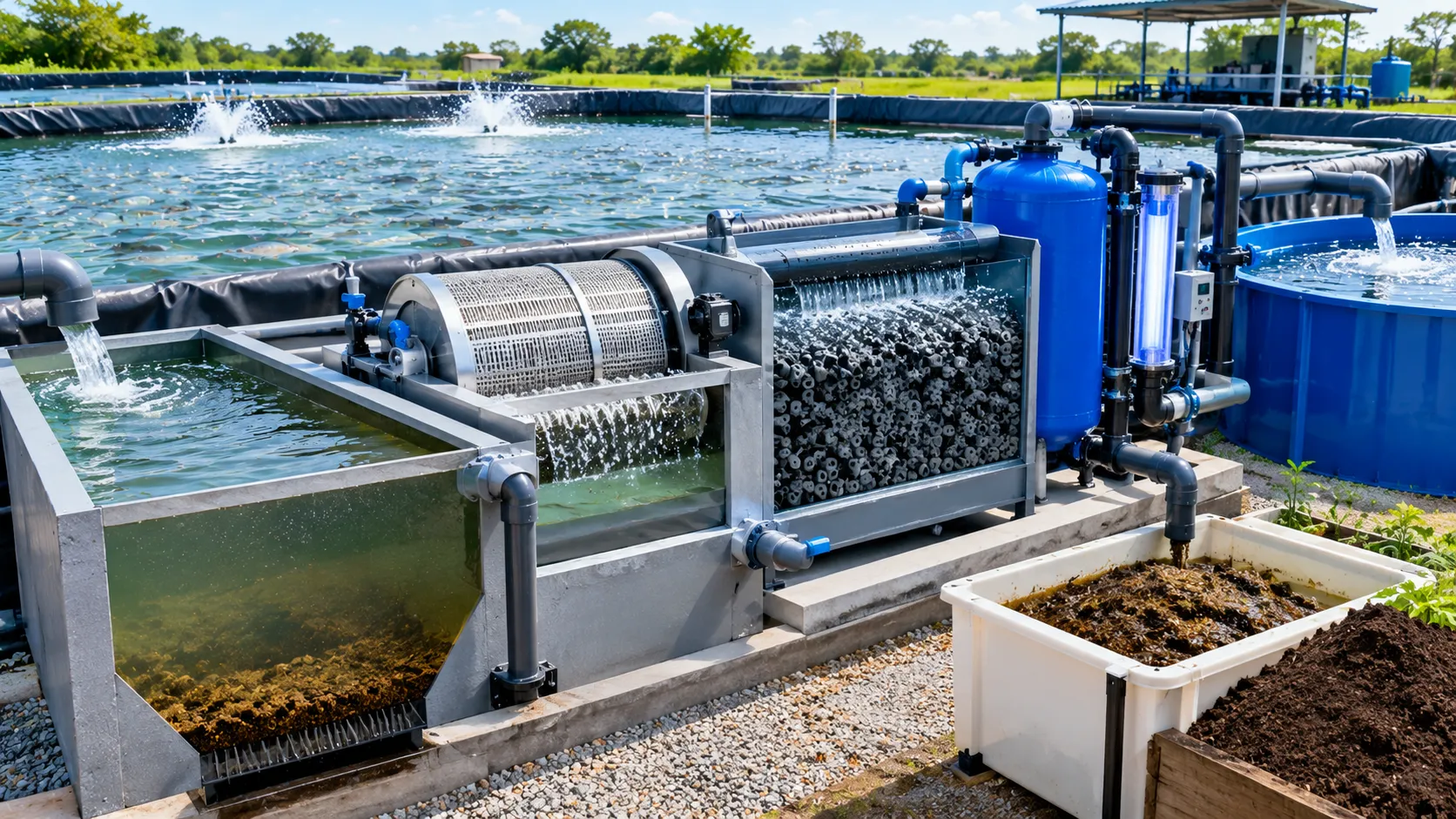
As fish production increases, water treatment becomes more important. Fish produce solid waste, and uneaten feed can break down into substances that harm water quality. Without a good waste management plan, these materials can build up and reduce the performance of the farm.
Mechanical filtration removes solid particles from the water. Common options include settling tanks, screen filters, drum filters, and other solids separators. Removing waste early reduces the amount of organic matter that enters biological filters.
Biological filtration supports beneficial bacteria that convert toxic ammonia into nitrite and then nitrate. These filters are important in intensive fish farms and Recirculating Aquaculture Systems.
Some facilities also use foam fractionation, UV treatment, or ozone systems for specific water treatment needs. Their suitability depends on the system design, water chemistry, and fish species. These technologies do not replace basic solids removal and biological filtration.
Waste must also be handled safely after it leaves the water. Sludge can contain nutrients and organic matter that may be useful in approved land application or composting systems. However, it should be treated and managed according to local environmental rules.
When selecting filtration equipment, consider the daily feed load, water flow rate, expected fish biomass, and amount of waste produced. A filter that works for a small farm may not perform well after expansion.
Clean filters as recommended by the manufacturer, inspect pumps, and check for blockages. Keep records of cleaning schedules and filter performance.
An effective filtration system helps protect water quality, reduce waste, and support higher fish production.
Increasing Fish Stocking Density Without Compromising Water Quality
Stocking density refers to the amount of fish kept in a given volume of water or pond area. Increasing density can improve production from existing space, but it also increases the demand for oxygen, feed, filtration, and waste removal.
There is no single stocking density that works for every aquaculture farm. The safe level depends on fish species, fish size, water temperature, oxygen supply, system design, and the skills of the farm team.
Before increasing stocking density, check whether your current system can support the extra biomass. Look at dissolved oxygen, ammonia, nitrite, water flow, and the capacity of your filters. Remember that small fish need less space and oxygen than larger fish, so system demand changes as they grow.
Increase stocking density in stages. Monitor the fish closely after each change and keep accurate records of survival, growth, feed use, and water quality.
Fish behavior can provide useful warning signs. Fish gathering near water inlets, gasping at the surface, eating less, or swimming unusually may indicate oxygen problems or poor water conditions. These signs need prompt investigation.
Use suitable grading and stocking practices to reduce competition and size differences. Avoid adding new fish without following appropriate quarantine and health checks.
It is also important to plan for the largest expected fish biomass, not just the number of fish at the start of a production cycle.
Higher stocking density can be successful when water treatment and farm management are designed to handle the increased load. The goal is not to keep as many fish as possible, but to produce healthy fish consistently.
Scaling Fish Production with Recirculating Aquaculture Systems (RAS)
- Water Reuse: RAS allows fish farmers to reuse treated water and reduces the need for fresh water.
- High Fish Production: It supports high fish production in a small space.
- Main Components: A typical RAS includes fish tanks, mechanical filters, biological filters, pumps, and oxygenation equipment.
- Mechanical Filtration: Mechanical filters remove solid waste, such as uneaten feed and fish waste.
- Biological Filtration: Biofilters help control ammonia and nitrite by supporting beneficial bacteria.
- Water Quality Monitoring: Regular testing helps maintain safe water conditions for fish.
- Oxygen Management: Aeration and oxygenation systems provide the oxygen fish need to survive and grow.
- Temperature Control: Temperature control helps maintain suitable conditions for fish growth.
- Gas Removal: Degassing equipment removes harmful gases, such as excess carbon dioxide.
- Disease Prevention: UV disinfection can help reduce harmful microorganisms in circulating water.
- Better Production Control: RAS allows farmers to manage feeding, water temperature, and production schedules.
- Lower Water Consumption: Water recycling reduces overall water use compared with many traditional fish farming systems.
- High Operating Costs: RAS requires investment in equipment, electricity, maintenance, and skilled workers.
- System Maintenance: Pumps, filters, and other equipment must work continuously to maintain water quality.
- Emergency Backup Systems: Backup power, emergency oxygen supplies, alarms, and spare equipment help protect fish during system failures.
- Financial Planning: Farmers should calculate construction costs, electricity bills, feed expenses, labor costs, and expected selling prices before investing.
- Start Small: Testing the system at a manageable production level helps farmers identify problems before expanding.
- Skilled Management: Workers need proper training to operate equipment and respond to emergencies.
- Sustainable Fish Farming: RAS can reduce water use and support fish production in areas with limited land and water resources.
- Main Benefit: A properly designed and managed RAS helps farmers increase fish production while maintaining stable water quality.
Biofilter Management and Biological Filtration in Aquaculture
- Importance of Biofilters: Biofilters help remove toxic ammonia and nitrite from aquaculture water.
- Beneficial Bacteria: Biofilters provide surfaces for beneficial bacteria to grow and break down fish waste.
- Nitrification Process: Beneficial bacteria convert ammonia into nitrite and then into nitrate.
- Types of Biofilter Media: Common biofilter materials include plastic media, moving-bed media, and fixed-bed materials.
- Biofilter Cycling: Allow beneficial bacteria to develop before adding large numbers of fish to the system.
- Oxygen and Alkalinity: Maintain sufficient oxygen and suitable alkalinity to support beneficial bacteria.
- Regular Water Testing: Monitor ammonia, nitrite, and nitrate levels to maintain healthy water conditions.
- Careful Cleaning: Clean biofilters carefully to prevent clogging without damaging beneficial bacteria.
- Proper Biofilter Management: Choose the right filter size and monitor feed levels to support increased fish production while maintaining water quality.
Smart Fish Feeding Strategies to Reduce Water Pollution
Feed is often one of the largest operating costs in fish farming. It also has a direct effect on water quality. When fish receive more feed than they can eat, leftover food breaks down and adds organic waste and nitrogen compounds to the water.
Smart feeding begins with selecting a suitable feed for the fish species and growth stage. The feed should provide the right balance of protein, energy, fats, vitamins, and minerals.
Farmers should adjust feeding rates according to fish size, water temperature, health, and appetite. Fish may eat less when oxygen is low, water conditions are poor, or temperatures fall outside their preferred range.
Use feeding trays, automatic feeders, or direct observation to check how much feed the fish consume. Automatic feeders can improve consistency, but they still need proper settings and regular inspection.
Avoid giving the same amount of feed every day without checking fish behavior and growth. Review feed records and compare them with fish weight gain. The feed conversion ratio (FCR) helps measure how efficiently feed is converted into fish biomass. A lower FCR generally means better feed efficiency, although results depend on the system and production conditions.
Feed only what the fish can consume without leaving excessive waste. Store feed in a cool, dry place and protect it from moisture, pests, and contamination.
When expanding production, increase feeding capacity along with fish biomass, but do not increase feed blindly. More feed means more oxygen demand and more waste for the filtration system to handle.
Good feeding practices can improve growth, reduce costs, and protect water quality at the same time.
Real-Time Water Quality Monitoring Sensors and Automation
- Real-Time Monitoring: Monitor water quality continuously to detect sudden changes and protect fish health.
- Water Quality Sensors: Use sensors to measure dissolved oxygen, temperature, pH, and other important parameters.
- Automated Alerts: Set alarms to notify workers when water quality readings move outside safe limits.
- Automation Systems: Automated systems can control aerators, pumps, feeders, and water treatment equipment.
- Oxygen Control: Automated aeration can help maintain suitable dissolved oxygen levels in fish tanks.
- Sensor Maintenance: Clean and calibrate sensors regularly to ensure accurate readings.
- Water Quality Records: Keep records of water quality, feeding, fish growth, and equipment performance.
- Emergency Response: Train workers to respond quickly to alarms and equipment failures.
- Better Farm Management: Real-time monitoring helps farmers make faster decisions, improve efficiency, and maintain stable water quality.
Water Exchange and Wastewater Treatment in Aquaculture Farms
Water exchange helps remove dissolved waste and replace some of the water used in aquaculture systems. However, changing water too often can increase costs and place pressure on local water resources. The right approach depends on the production method and water quality.
Traditional ponds may use water exchange when conditions require it, while RAS facilities usually treat and reuse most of their water. Neither method removes the need for regular testing.
Before adding new water, check its temperature, pH, dissolved oxygen, and possible contaminants. Water from wells, rivers, or other sources may contain substances that are harmful to fish. Sudden differences between incoming water and tank water can also cause stress.
Wastewater from aquaculture may contain fish waste, leftover feed, suspended solids, nutrients, and treatment chemicals. Releasing it without proper management can affect rivers, lakes, and other natural water bodies.
Mechanical settling, filtration, and suitable biological treatment can reduce waste before discharge. Some farms may also use constructed wetlands or other approved treatment methods, depending on local conditions.
Sludge should be collected and managed responsibly. Do not assume that untreated waste is safe for crops or natural waterways. Follow local environmental rules and use suitable testing where needed.
To reduce water use, fix leaks, improve filtration, remove solids early, and avoid unnecessary exchanges. Track how much water the farm uses per production cycle so you can identify areas for improvement.
A well-planned water management system protects fish health, reduces operating costs, and supports responsible aquaculture growth.
Fish Health Management and Disease Prevention During Expansion
- Healthy Fingerlings: Purchase healthy fish from reliable hatcheries to reduce the risk of disease.
- Quarantine Procedures: Check and quarantine new fish before adding them to existing stock.
- Good Water Quality: Maintain proper oxygen, temperature, pH, and ammonia levels to protect fish health.
- Regular Fish Inspection: Monitor fish behavior, appetite, skin color, and signs of illness.
- Equipment Hygiene: Clean and disinfect equipment to reduce the spread of diseases between tanks.
- Health Records: Record fish growth, mortality, water quality, and treatments to identify health problems.
- Proper Disease Treatment: Consult qualified fish health professionals and use approved medicines when necessary.
- Disease Prevention Plan: Prepare a health management plan before increasing fish production.
- Stress Reduction: Avoid overcrowding and sudden changes in water conditions to keep fish healthy.
Aquaculture Infrastructure, Equipment, and Operational Costs
- Infrastructure Planning: Ensure tanks, ponds, pipes, drains, and water storage facilities can support increased production.
- Pumps and Aeration: Install suitable pumps and aerators to maintain water flow and oxygen levels.
- Filtration Systems: Use properly sized filters to manage fish waste and maintain good water quality.
- Energy Costs: Estimate electricity consumption for pumps, aerators, sensors, and treatment equipment.
- Budget Planning: Include construction, fish feed, fingerlings, labor, electricity, and maintenance costs.
- Equipment Efficiency: Choose durable, energy-efficient equipment that meets the farm's production needs.
- Regular Maintenance: Inspect and maintain equipment regularly to prevent breakdowns.
- Emergency Preparedness: Keep backup power, emergency oxygen, and spare parts available.
- Profitability Monitoring: Review production costs and revenue after each cycle to evaluate expansion success.
Sustainable Aquaculture Practices for Long-Term Growth
Sustainable aquaculture aims to produce fish while using resources responsibly and limiting harm to the environment. As farms expand, sustainability becomes more important because higher production can increase water use, feed demand, energy consumption, and waste.
Start by using water efficiently. Repair leaks, maintain pumps, improve filtration, and reuse water when the system allows it. RAS facilities can reduce water demand, although they require energy and careful technical management.
Choose high-quality feed and use feeding strategies that reduce waste. Better feed efficiency can lower costs and reduce the amount of nitrogen and organic material entering the water.
Manage fish stocking levels according to the capacity of the system. High production should never come at the cost of repeated oxygen shortages, poor fish health, or unsafe waste levels.
Protect nearby water bodies by treating wastewater and managing sludge responsibly. Follow local environmental requirements for water withdrawal, discharge, and farm operations.
Farmers can also review energy use, improve equipment efficiency, and consider suitable renewable energy options where practical. Any new technology should be assessed for cost, reliability, and its effect on fish welfare.
Keep records of water use, feed conversion ratio, fish survival, energy consumption, and waste production. These measurements help you track progress and find opportunities for improvement.
Sustainability also includes worker training, responsible fish health practices, and reliable production planning. A farm that protects water quality is better prepared for long-term growth.
By combining efficient technology with careful management, aquaculture businesses can increase output, reduce waste, and support a more dependable seafood supply.
Conclusion
Learning how to scale an aquaculture operation without compromising water quality requires careful planning, reliable equipment, and regular monitoring. Increasing fish numbers without improving water treatment can lead to oxygen shortages, ammonia buildup, poor growth, and disease problems.
The best approach is to expand in stages. Check your water quality parameters, improve aeration, maintain stable pH, control ammonia and nitrite, and make sure filtration systems can handle the expected waste load. Smart feeding, biofilter care, real-time sensors, and proper fish health management can make a major difference.
Recirculating Aquaculture Systems can support efficient production, but they need reliable power, skilled workers, and careful maintenance. Traditional pond systems can also scale successfully when stocking levels, water supply, and waste management are handled correctly.
Remember that successful expansion is not just about producing more fish. It is about keeping fish healthy, using resources wisely, controlling costs, and protecting the environment.
With a clear growth plan and consistent water quality management, you can build a more productive and sustainable aquaculture operation for the long term.
Frequently Asked Questions
1. How can you scale an aquaculture operation safely?
Increase fish production gradually while improving aeration, filtration, feeding practices, and water quality monitoring to protect fish health.
2. What are the key water quality parameters in aquaculture?
Important parameters include dissolved oxygen, pH, temperature, ammonia, nitrite, nitrate, and alkalinity for maintaining healthy fish.
3. What is the ideal dissolved oxygen level for fish farming?
Many fish farming systems target dissolved oxygen levels of at least 5 mg/L, depending on species and stocking density.
4. How can farmers control ammonia in fish farming?
Farmers can control ammonia by avoiding overfeeding, removing solid waste, maintaining biofilters, and testing water regularly.
5. What is a Recirculating Aquaculture System (RAS)?
A Recirculating Aquaculture System treats and reuses water through filtration, helping farmers increase production while reducing water consumption.
6. Why is biofiltration important in aquaculture?
Biofiltration uses beneficial bacteria to convert toxic ammonia into nitrite and nitrate, helping maintain safer water conditions.
7. How can farmers increase fish stocking density?
Farmers should improve aeration, filtration, water circulation, and waste management before gradually increasing fish stocking density.
8. How does overfeeding affect water quality?
Overfeeding increases organic waste, raises ammonia levels, reduces oxygen availability, and can negatively affect fish health.
9. Why are water quality monitoring sensors important?
Water quality sensors track oxygen, temperature, and pH, helping farmers detect problems early and respond quickly.
10. How can aquaculture farms reduce water pollution?
Aquaculture farms can reduce pollution by controlling feed waste, removing solids, treating wastewater, and managing sludge responsibly.