

Topsoil Types: Screened vs Loam for Healthy Gardens
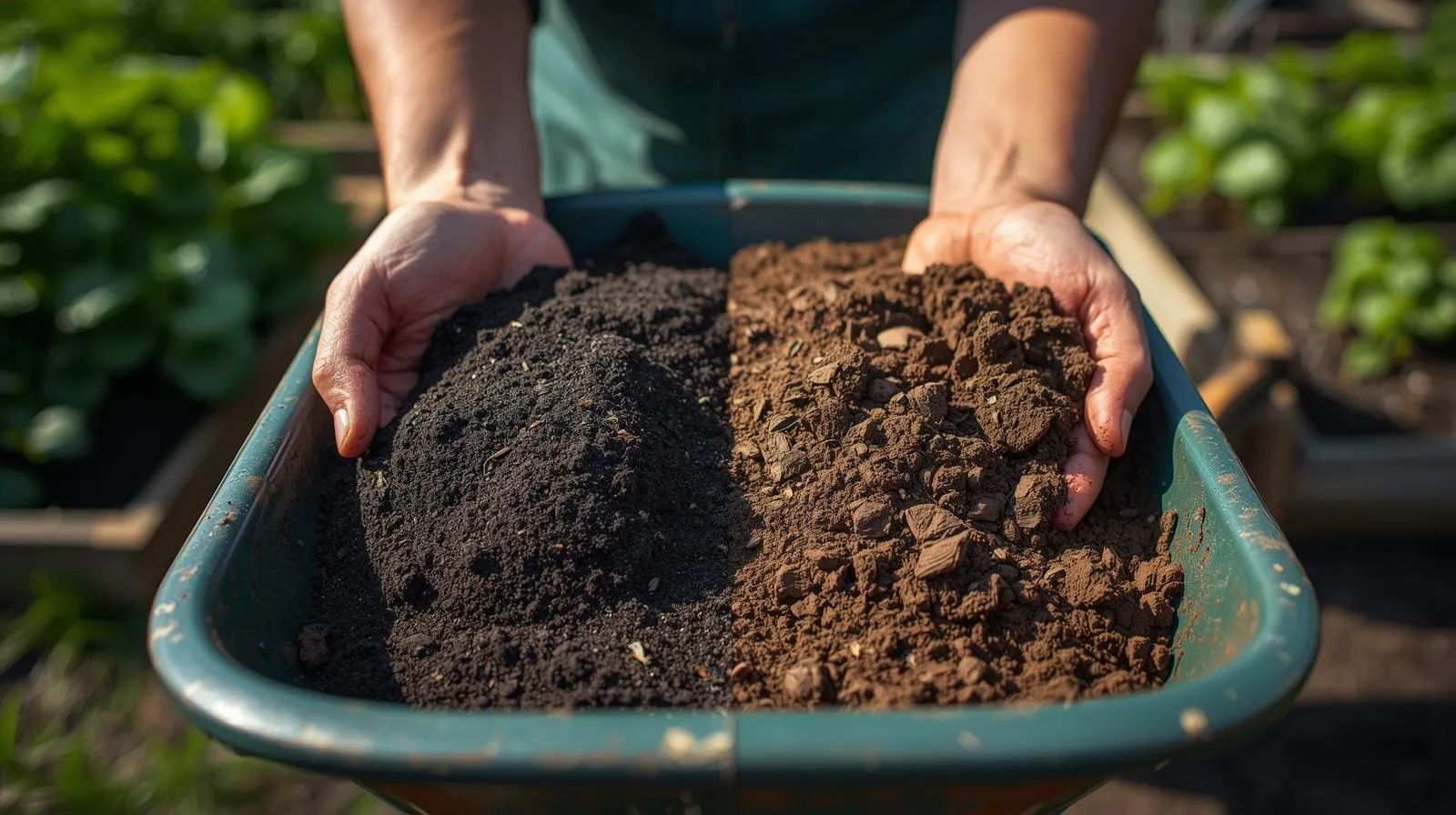
Topsoil Types Explained: Screened vs Loam
Choosing the right soil is the first step to a healthy garden. Topsoil types affect drainage, nutrient content, and plant growth. Two common types are screened topsoil and loam soil. Each type has its advantages depending on your gardening needs.
Using the correct topsoil ensures better water retention, stronger roots, and easier garden maintenance.
What Is Screened Topsoil?
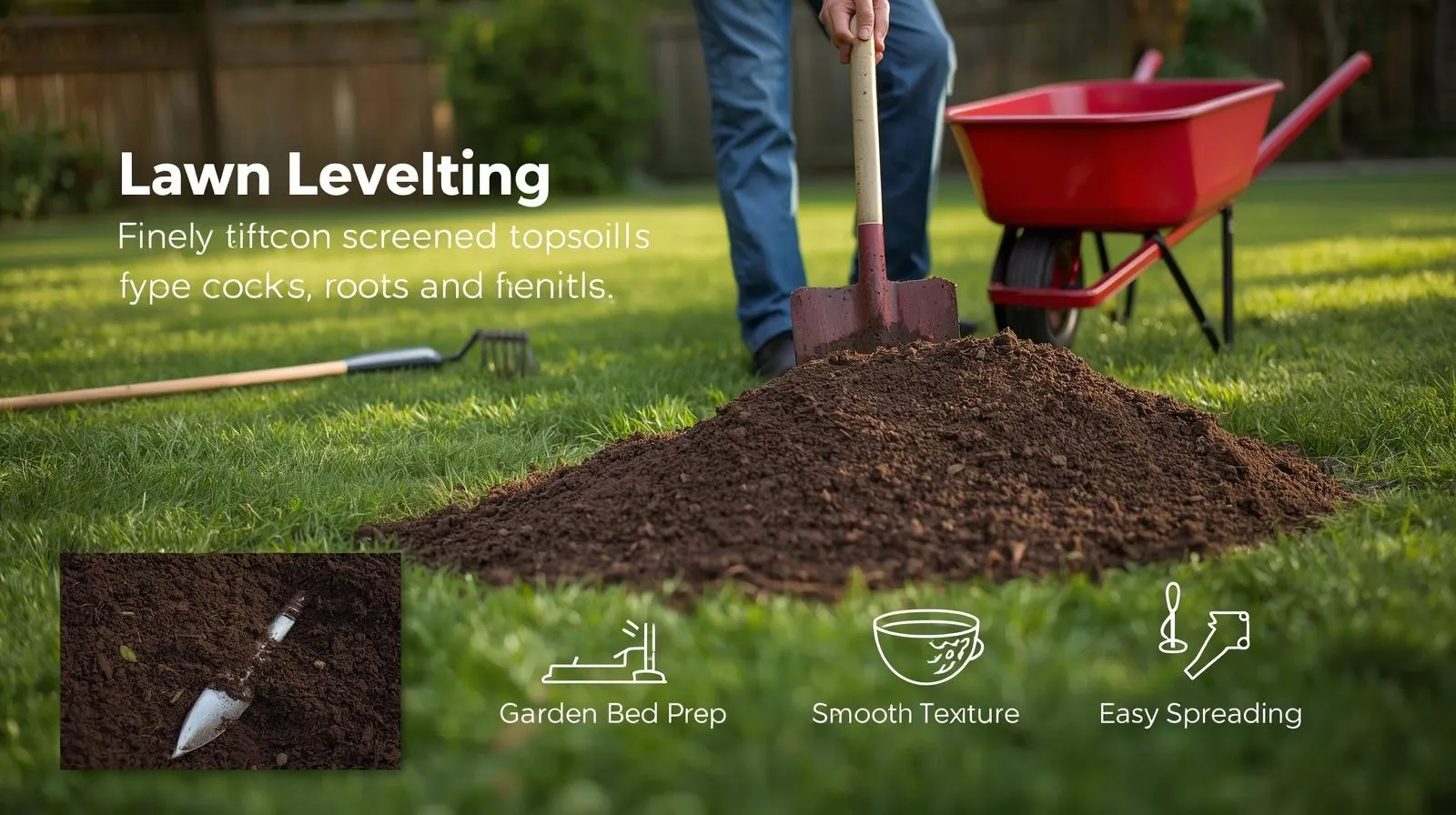
Screened topsoil is soil that has been sifted to remove rocks, roots, and debris. It has a smooth texture, making it easy to work with.
Uses of screened topsoil:
- Leveling lawns or garden areas
- Filling low spots in yards
- Preparing flower beds for planting
- Creating a uniform surface for seeding or sod
Benefits:
- Easy to spread and grade
- Reduces root damage from rocks or debris
- Ideal for small landscaping projects
- Works well for seed starting
Tip: Screened topsoil often has fewer nutrients than loam, so mix in compost for better fertility.
What Is Loam Soil?
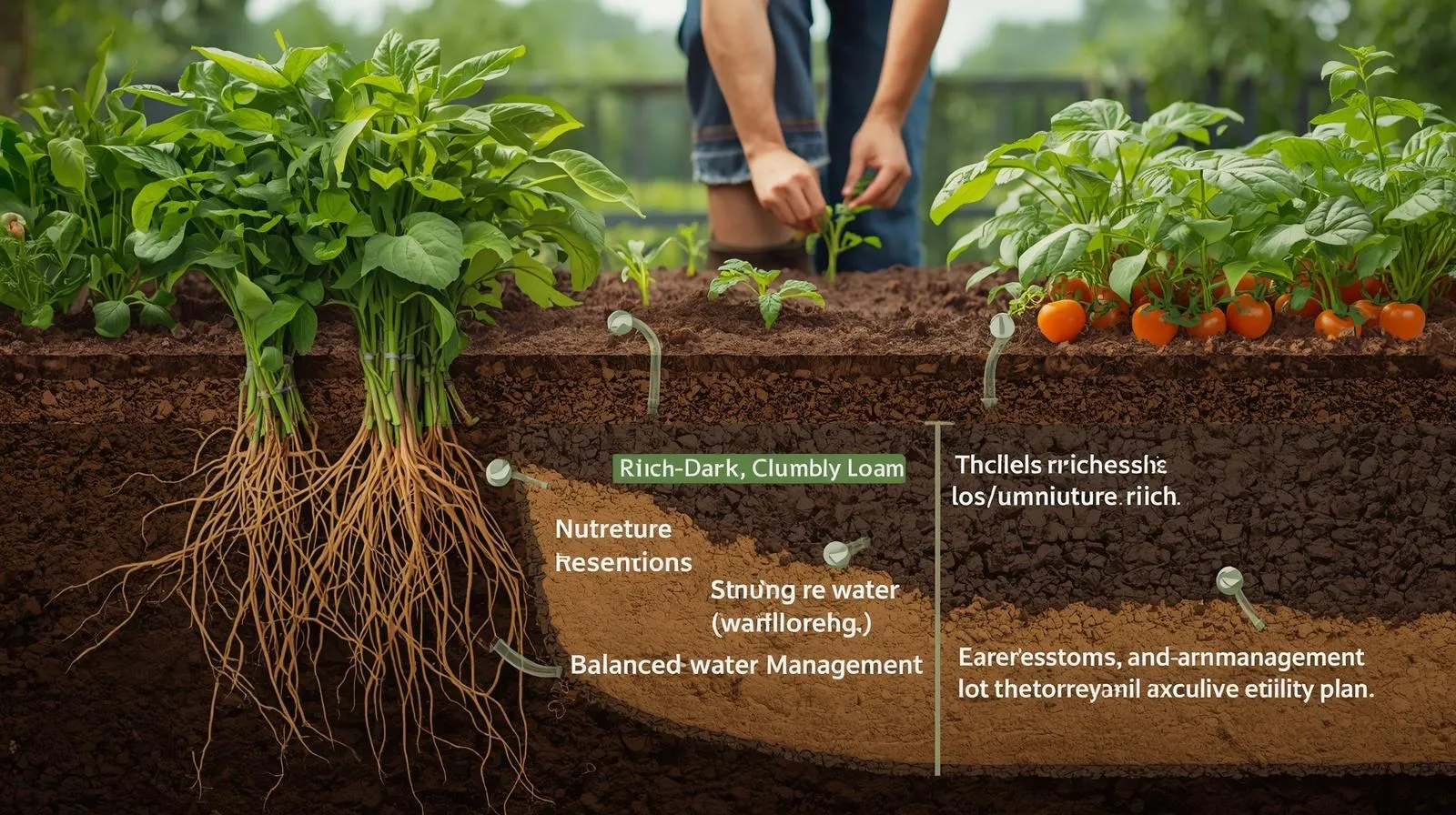
Loam is a balanced mixture of sand, silt, and clay. It retains moisture while draining well. Loam is naturally nutrient-rich, making it ideal for long-term plant growth.
Uses of loam soil:
- Vegetable gardens
- Flower beds
- Landscaping and shrubs
- Raised garden beds
Benefits:
- Supports healthy root growth
- Holds water without waterlogging
- Nutrient-rich for strong plant growth
- Encourages soil microbes for natural fertility
Loam soil has a dark, crumbly texture. It is the preferred choice for most gardeners.
Screened Topsoil vs Loam – Key Differences
| Feature | Screened Topsoil | Loam Soil |
| Texture | Smooth, fine | Mix of sand, silt, clay |
| Nutrients | Low, may need enrichment | Nutrient-rich naturally |
| Drainage | Good, depends on source | Excellent, holds moisture evenly |
| Best Use | Lawn leveling, flower beds | Vegetable gardens, planting beds, landscaping |
| Appearance | Light or medium brown | Dark, rich, crumbly |
| Maintenance | Needs compost/fertilizer | Low maintenance |
Topsoil Installation Tips
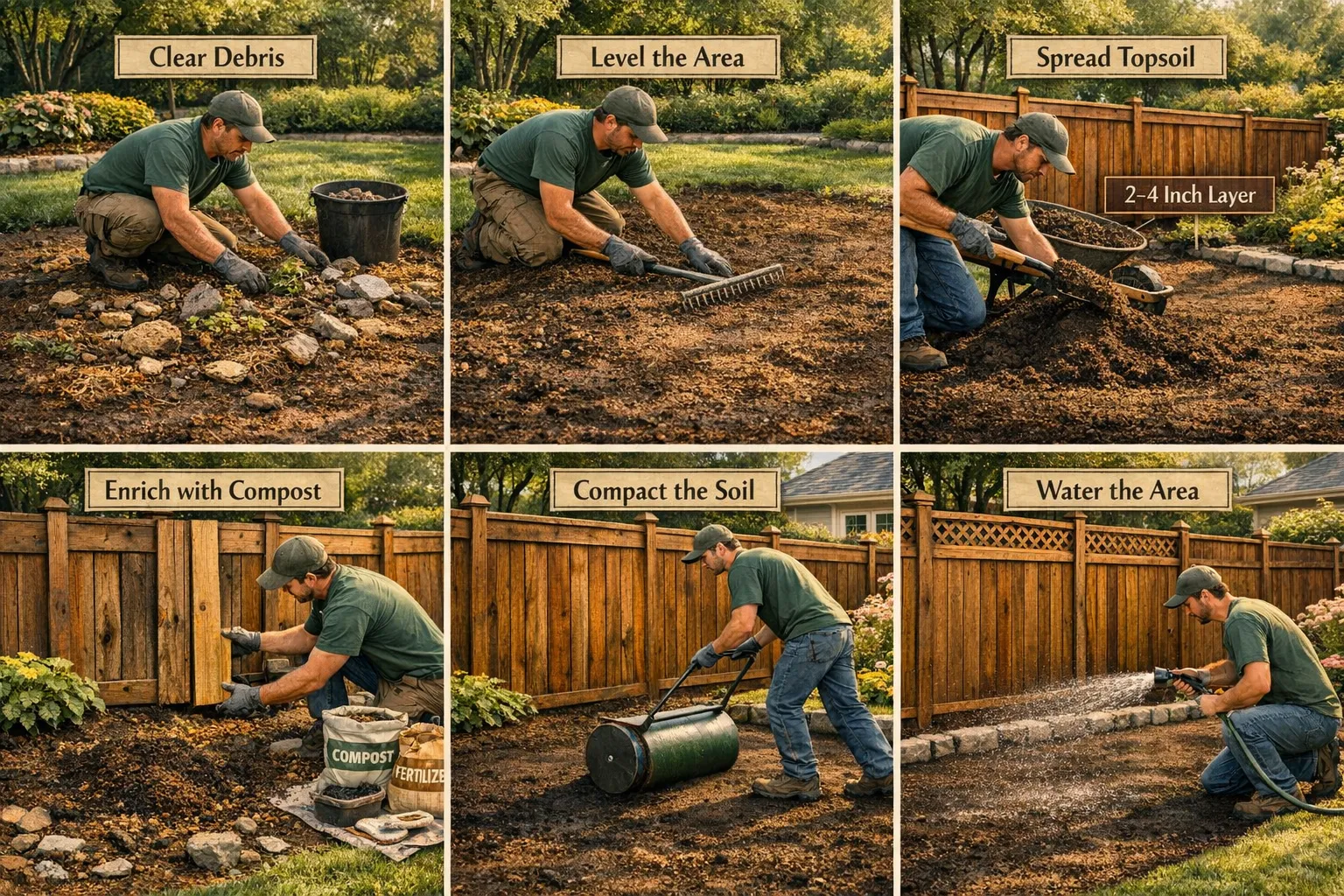
- Remove debris, weeds, and rocks
- Level the area with a rake
- Spread topsoil 2–4 inches thick
- Add compost or fertilizer if using screened topsoil
- Lightly compact the soil
- Water thoroughly to help settling
Maintenance Tips for Topsoil
- Sweep or rake to prevent compaction
- Add mulch to retain moisture
- Reapply compost or fertilizer yearly
- Test soil pH for optimal growth
- Prevent erosion with ground cover or grass
Common Mistakes to Avoid
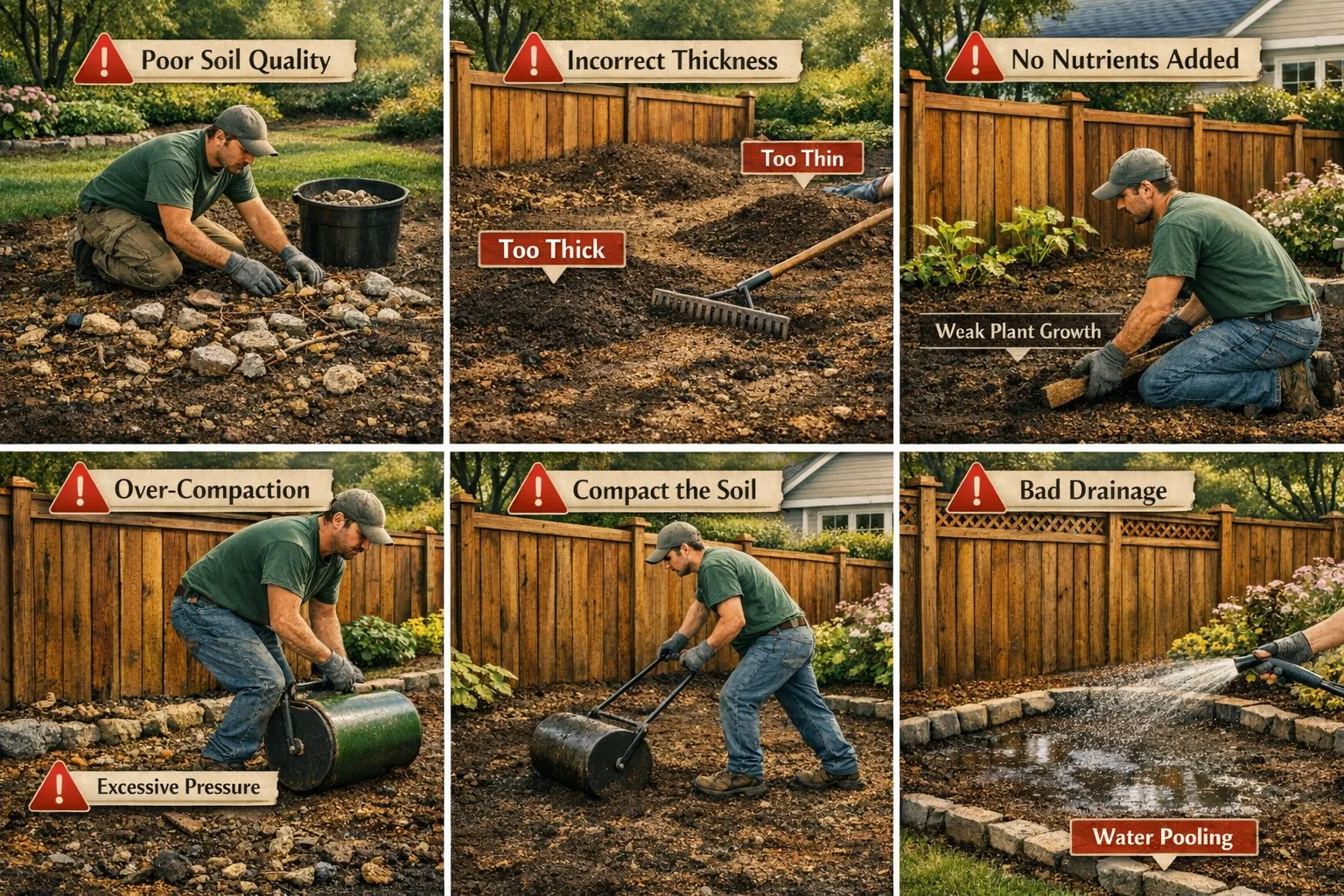
- Using untested soil with unknown composition
- Applying soil too thick or too thin
- Not adding nutrients to screened topsoil
- Over-compacting soil, preventing root growth
- Ignoring drainage in garden beds
Cost Considerations
| Topsoil Type | Average Cost per Cubic Yard | Notes |
| Screened Topsoil | $25–$45 | Easy to spread, may need fertilization |
| Loam Soil | $40–$60 | Premium option, nutrient-rich |
- Delivery costs vary by volume
- Mixing in compost increases cost
- Loam may save future fertilization expenses
FAQs
Can I use screened topsoil for vegetable gardens?
Yes, but enrich it with compost for better results.
Is loam suitable for lawns?
Yes, loam supports grass, but spreading is heavier work.
How thick should topsoil be applied?
2–4 inches is ideal for lawns and garden beds.
Can I mix screened topsoil and loam?
Yes, mixing gives a smooth surface plus fertility.
Which topsoil lasts longer?
Loam retains nutrients and moisture longer.
Pro Tip
Use screened topsoil for leveling and quick garden fixes. Use loam for planting beds and long-term gardens. Mixing both gives a smooth, nutrient-rich surface.