

Drainage Pipes & French Drains for Yard & Foundation Water Control
Control excess water with drainage systems engineered to protect yards, foundations, and commercial landscape infrastructure. LandscapingGlobe™ connects project planners, landscape contractors, and infrastructure builders with manufacturers and specialized suppliers of drainage pipes and French drain systems for dependable water conveyance.
Specify your drainage requirements, project conditions, pipe configurations, and required quantities to connect with businesses equipped for residential, commercial, and large-scale landscape water-control applications.
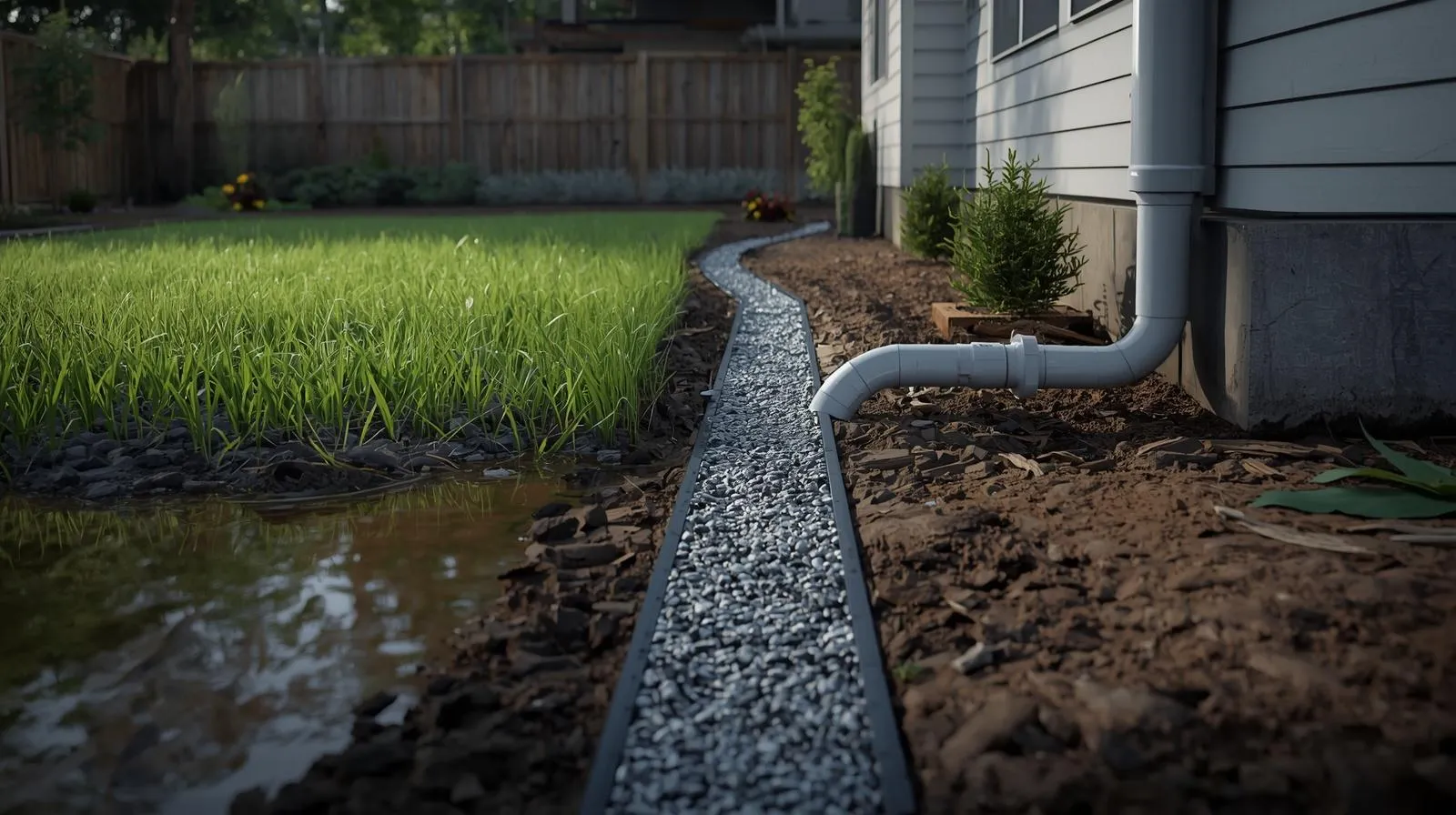
Drainage Materials for Water Control
Choose the right drainage material based on site conditions, water volume, installation requirements, and the level of protection needed for the landscape or foundation.
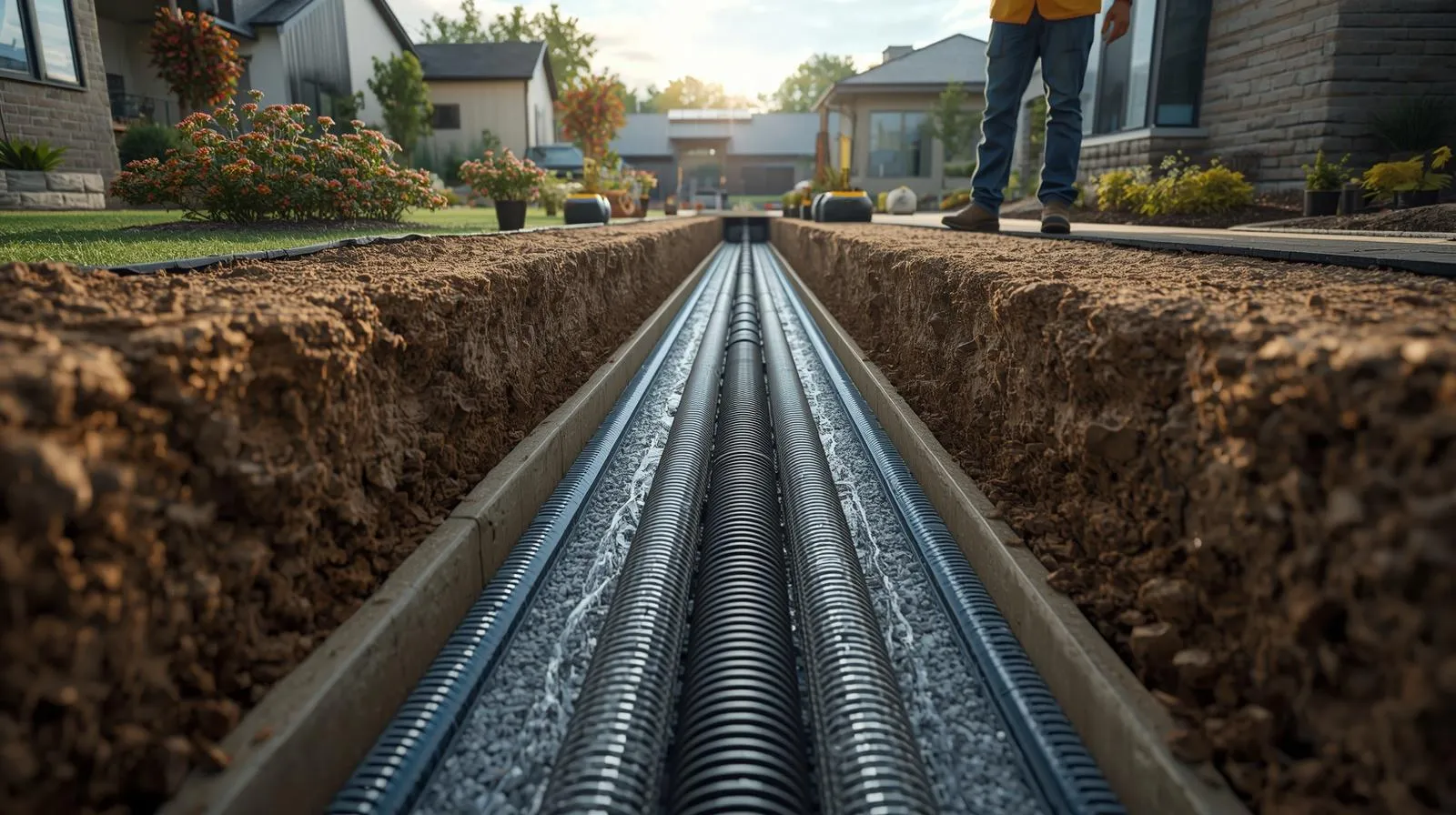
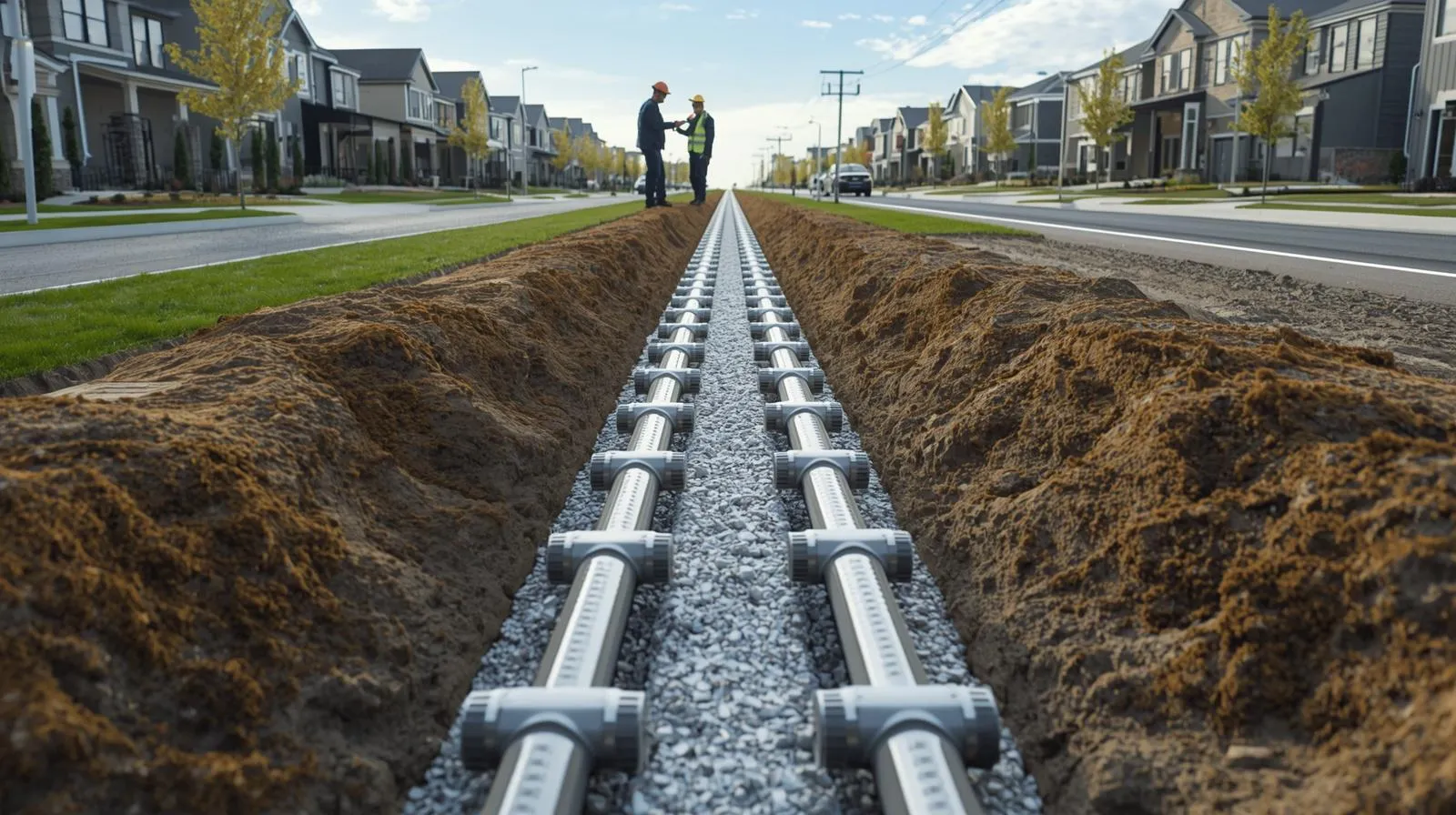
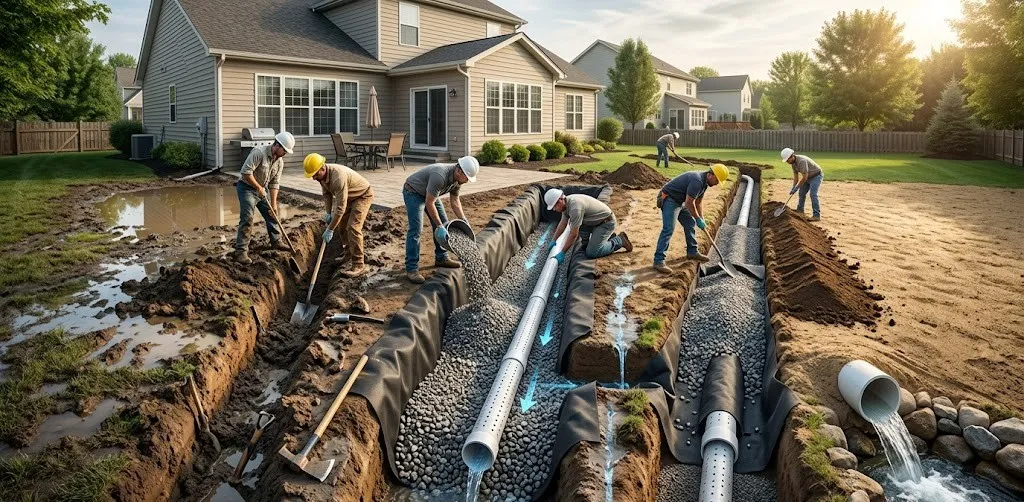
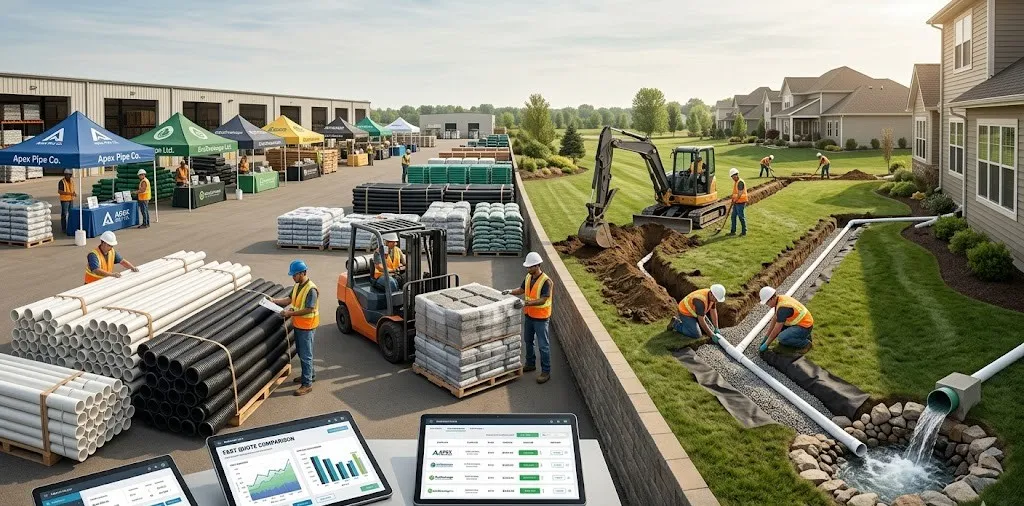
Why Choose LandscapingGlobe™
LandscapingGlobe™ brings infrastructure builders, commercial landscaping contractors, and field operators closer to businesses handling drainage and water-control equipment. Build your project requirements around the right pipe configurations, system quantities, and application needs, then connect through a B2B marketplace designed for direct business-to-business procurement.
Drainage System Features & Benefits
Well-planned drainage infrastructure helps control excess water, protect developed landscapes, and direct runoff away from vulnerable foundation areas. The right combination of pipe type, installation layout, and discharge planning supports reliable performance across residential, commercial, and large-scale landscape projects.
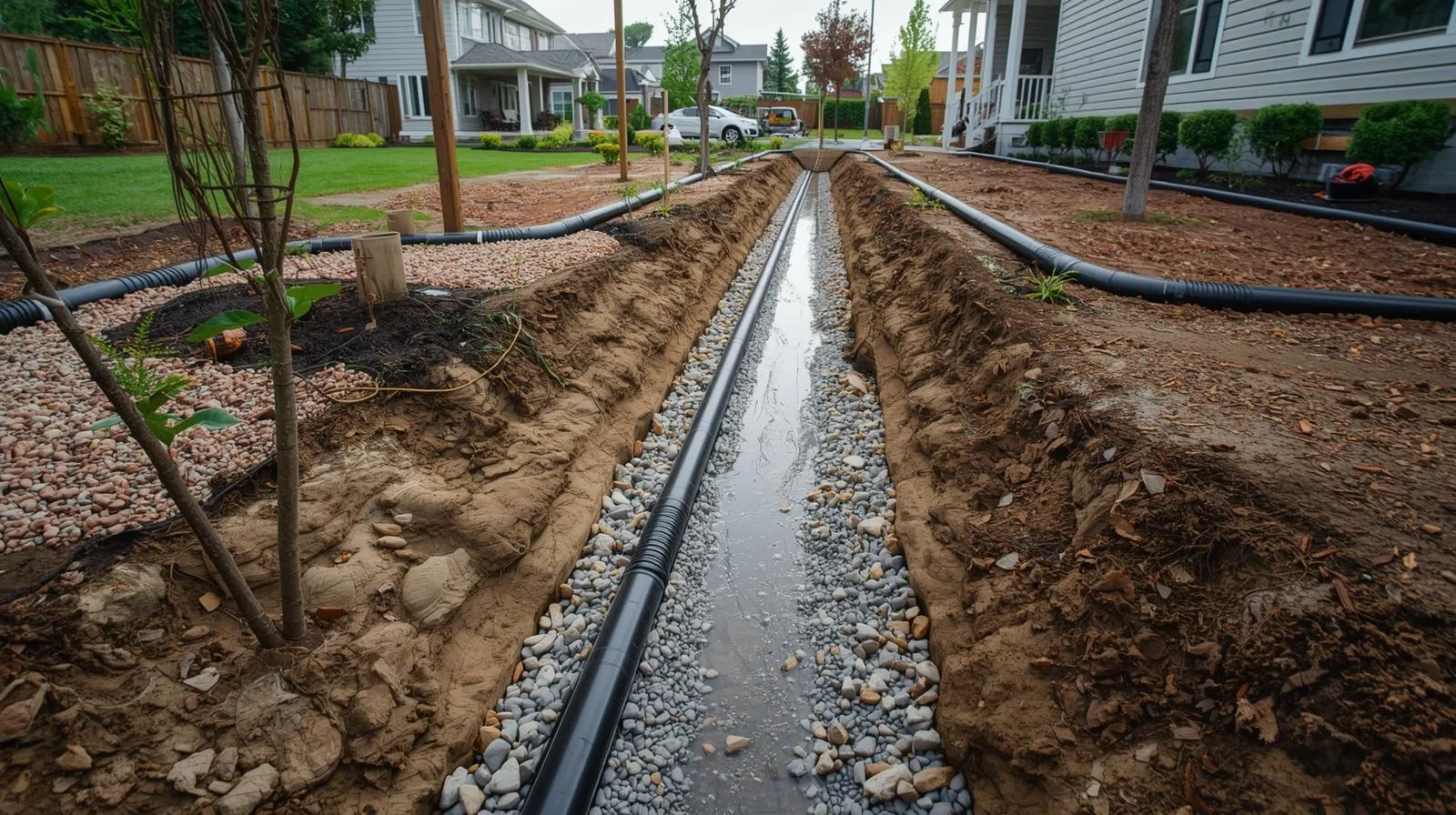
Engineered Drainage for Landscape & Foundation Protection
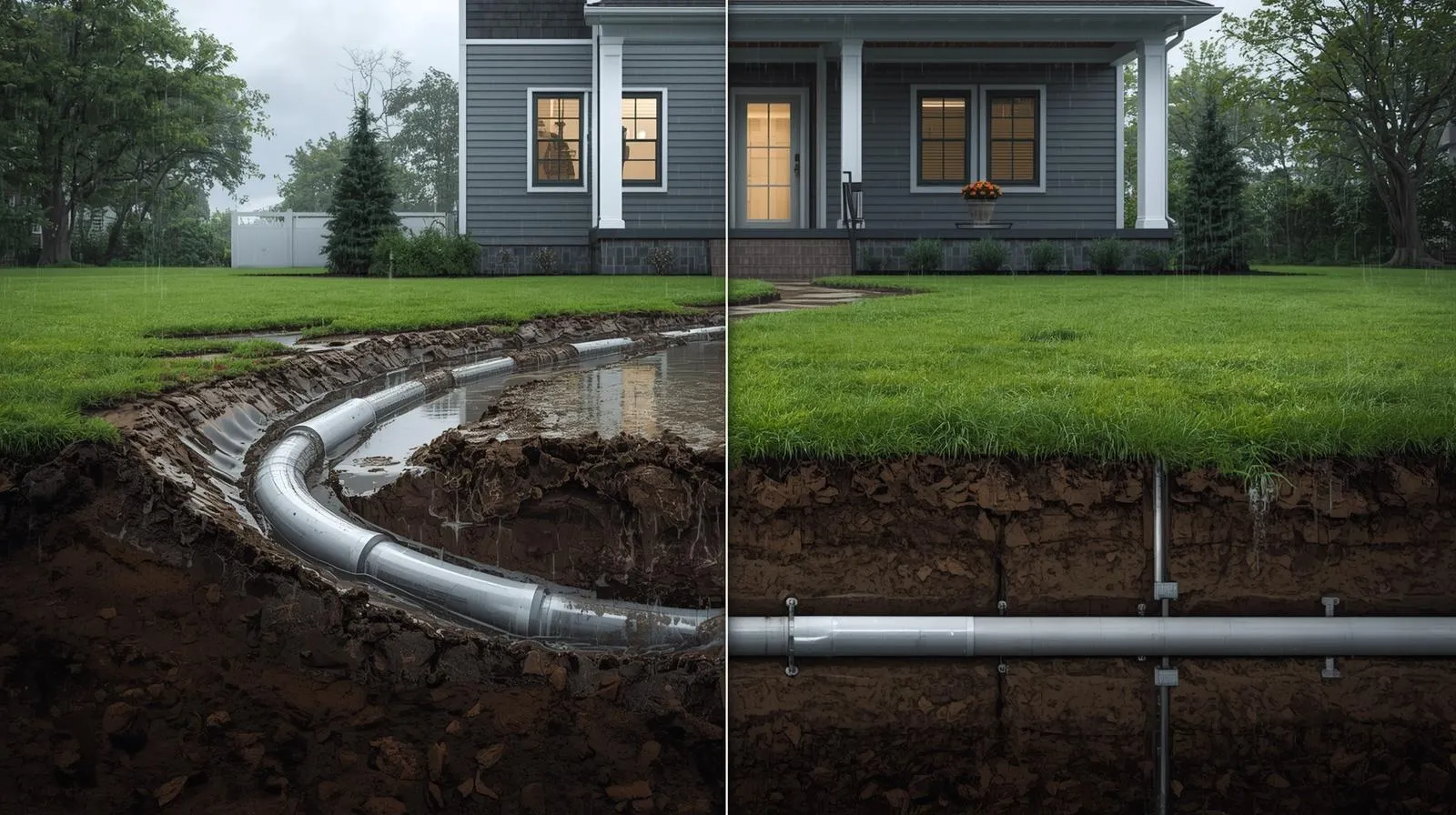
Effective water control begins with a drainage layout built around the site's flow conditions, soil profile, discharge route, and project requirements. LandscapingGlobe™ helps infrastructure builders and commercial landscape contractors identify drainage products suited to underground conveyance, excess-water collection, and foundation-area protection.
From flexible corrugated configurations to rigid PVC systems and complete French drain assemblies, project teams can present their required specifications, quantities, and application details to businesses equipped to support their drainage needs.
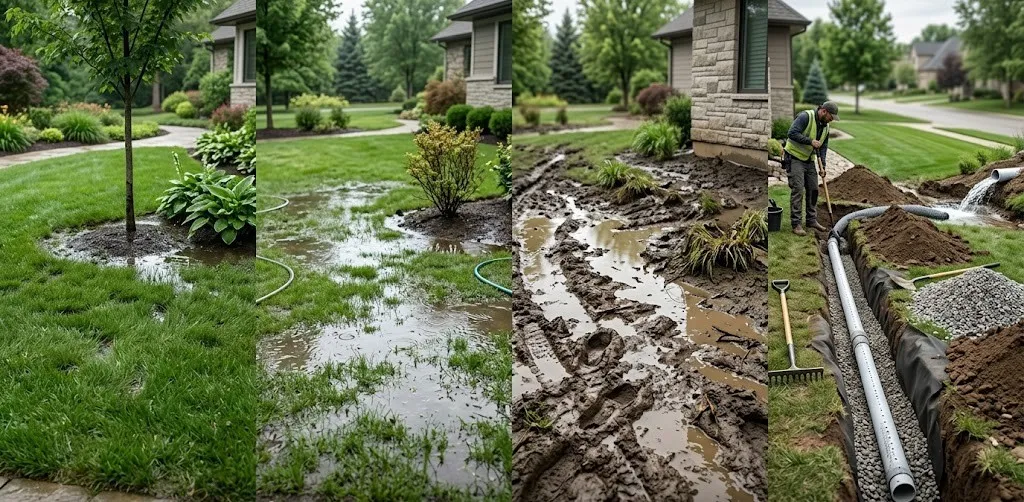
Built for Demanding Water-Control Projects
Commercial landscapes, developed sites, and foundation zones need drainage layouts that can handle changing water conditions without disrupting site operations.
LandscapingGlobe™ supports project teams in identifying suitable drainage pipe configurations and French drain systems based on flow requirements, installation conditions, site layout, and required quantities. Whether the project involves managing runoff across broad landscape areas or controlling groundwater around structural zones, the right drainage components help create a defined path for excess water and support dependable site performance.
Drainage Applications for Different Site Requirements
- Landscape Runoff Control: Manage excess rainwater across lawns, planted areas, pathways, and other developed landscape zones.
- Foundation Water Management: Direct subsurface water away from foundation areas to help limit persistent moisture around structural zones.
- Commercial Site Drainage: Support drainage requirements across larger properties where multiple collection and discharge points must work together.
- Wet Area Correction: Improve water movement in locations affected by saturated ground, poor drainage conditions, or recurring surface accumulation.
- Underground Conveyance: Create defined routes for collected water using suitable pipe configurations selected around project flow requirements.
- Slope Runoff Management: Guide water away from vulnerable landscape areas where uncontrolled runoff may contribute to erosion or ground movement.
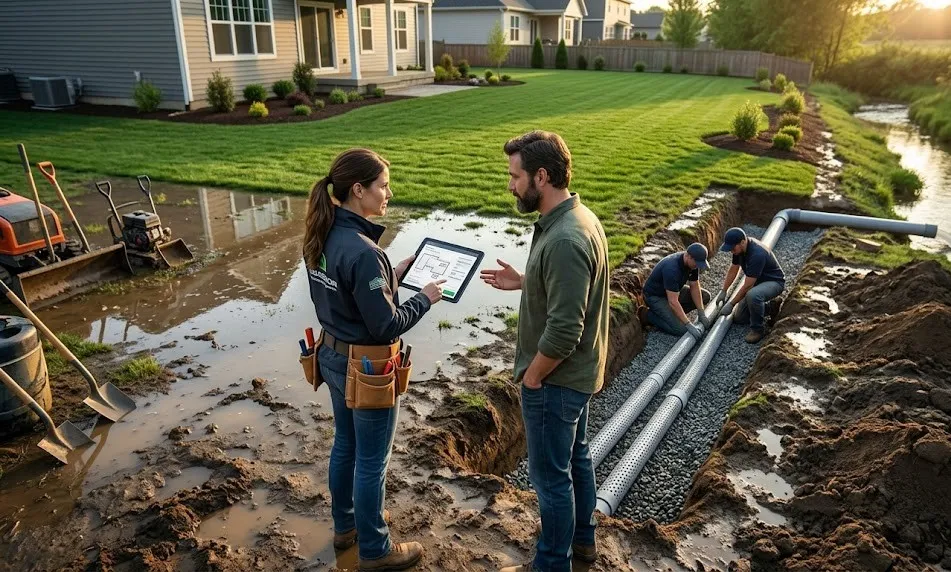
Compare Drainage Systems by Project Requirement
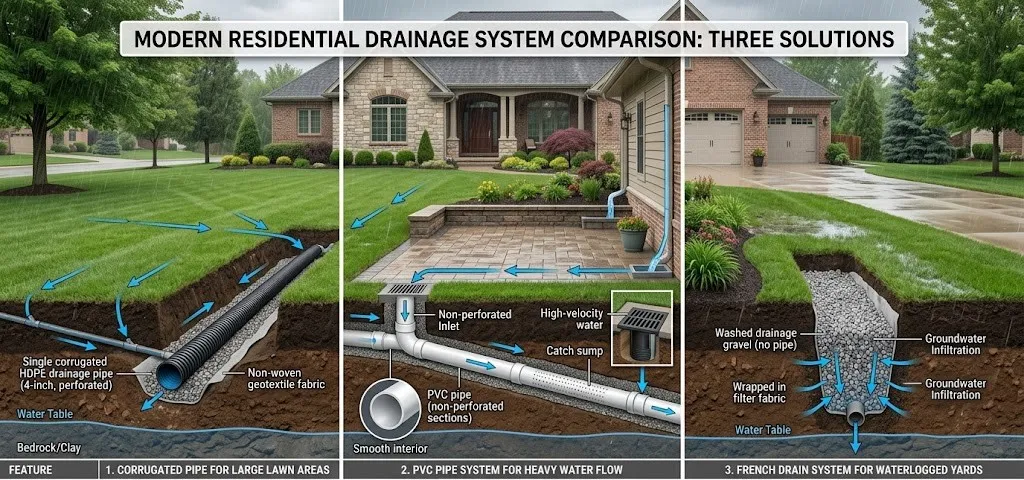
Select the drainage configuration according to water volume, installation conditions, expected service life, and the area requiring protection. The comparison below helps contractors and project teams evaluate common options before specifying materials for a drainage installation.
| Feature | Corrugated Drainage Pipe | PVC Drainage Pipe | French Drain System |
| Structure | Flexible and adaptable | Rigid and defined | Gravel trench with perforated pipe |
| Water Collection | Available in perforated configurations | Primarily used for controlled conveyance | Designed to collect surrounding groundwater |
| Flow Direction | Suitable for routed underground drainage | Provides a defined flow path | Collects and redirects subsurface water |
| Installation | Easier to shape around site layouts | Requires more precise alignment | Requires trench, gravel, pipe, and suitable outlet |
| Typical Application | Landscape areas and broad drainage zones | Higher-flow conveyance and structured layouts | Waterlogged ground and foundation-area drainage |
| Project Consideration | Useful where flexibility is important | Useful where rigidity and defined routing matter | Useful where groundwater collection is required |
Plan the Right Water-Control Path
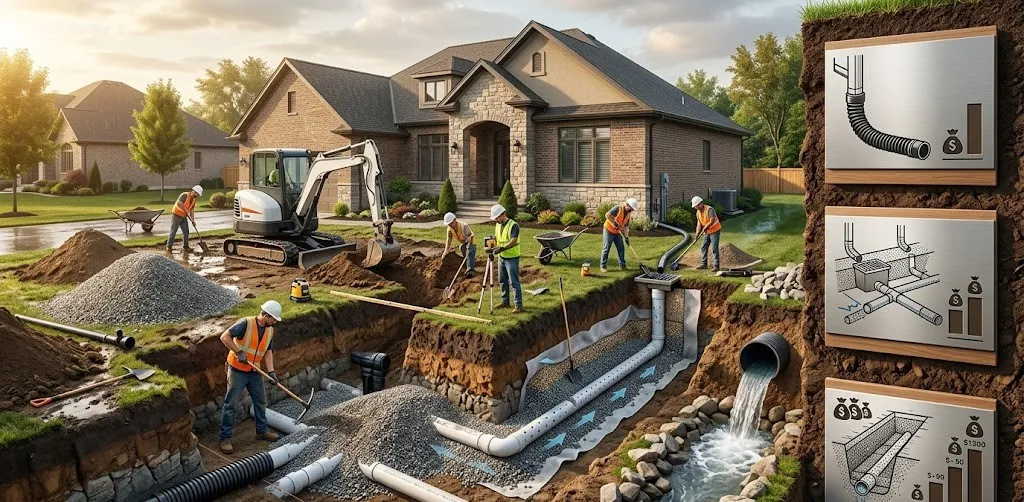
The right drainage setup depends on where water collects, how much flow the site receives, and where that water needs to go. LandscapingGlobe™ helps project teams evaluate suitable drainage configurations for landscape areas, commercial sites, and foundation zones, making it easier to match pipe systems with practical site requirements and installation conditions.
Coordinate Drainage With Site Requirements
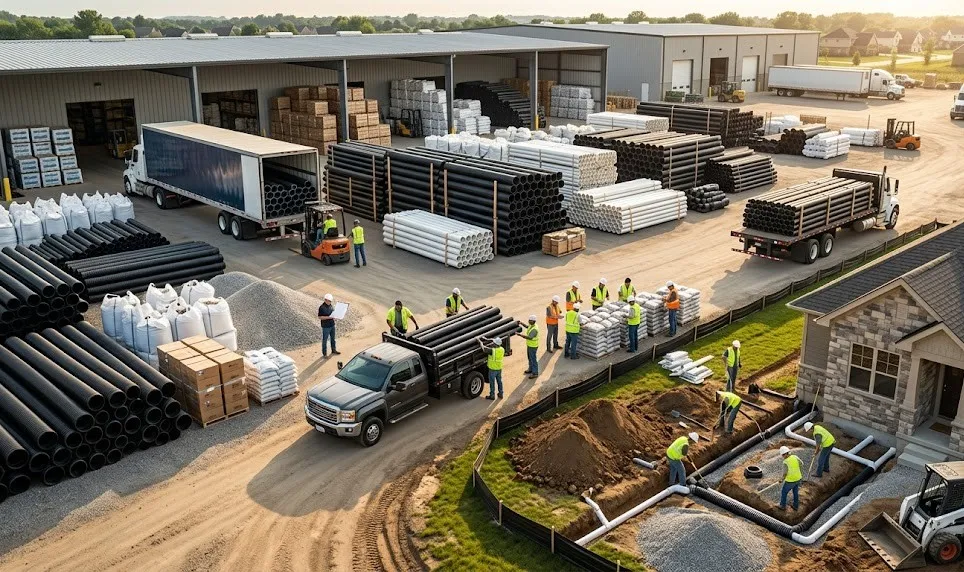
Drainage performance starts with clear project specifications. Define the required pipe type, water-flow conditions, installation area, discharge route, and order quantity before selecting a system. LandscapingGlobe™ gives commercial landscape contractors and infrastructure teams a practical way to communicate these requirements and connect with businesses offering suitable drainage components for the project.
Need the Right Drainage Setup for Your Project?
Identify the site area, water conditions, required flow capacity, pipe configuration, and installation scope before selecting drainage equipment. LandscapingGlobe™ helps project teams communicate these requirements clearly so suitable drainage pipes and French drain systems can be considered for the intended application, whether the work involves landscape infrastructure, commercial properties, or foundation water control.
Where Drainage Systems Fit Best?
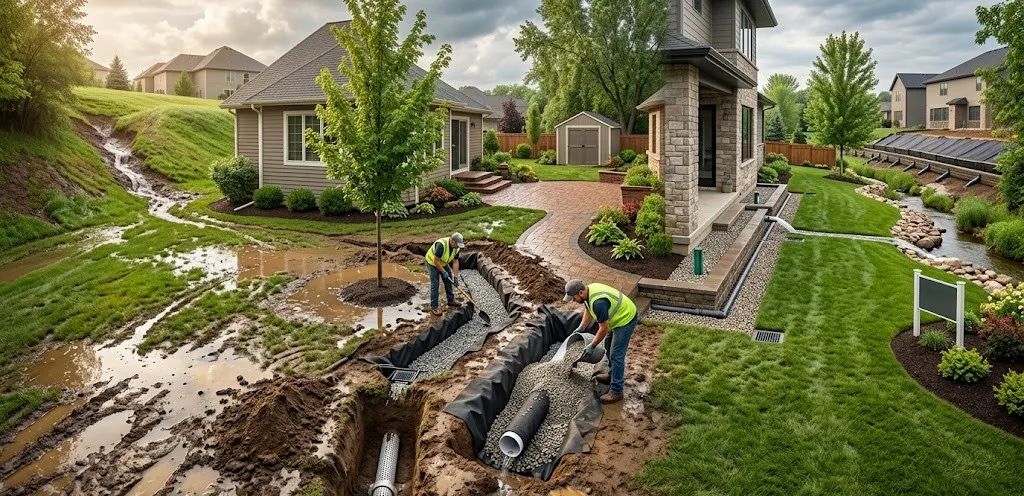
Different site conditions call for different drainage configurations. The right system can help manage excess water across developed landscapes, structural areas, and larger commercial properties.
- Foundation Zones: French drains and suitable underground pipe systems can collect and redirect water around foundation areas where moisture control is important.
- Waterlogged Yards: Perforated drainage pipes can help collect excess groundwater in lawns and landscape areas that remain saturated after rainfall.
- Commercial Landscapes: Larger drainage layouts can support water movement across planted areas, walkways, public spaces, and other developed landscape environments.
- Sloped Sites: Properly planned drainage routes can guide runoff away from vulnerable areas and reduce uncontrolled water movement across the property.
- Heavy-Flow Areas: Rigid PVC configurations can support defined water-conveyance routes where project conditions call for structured flow management.
- Poorly Drained Ground: French drain assemblies can provide an underground collection path for sites where natural soil drainage is limited.
Specify the Right Drainage Configuration
Drainage performance depends on matching the system to the site's actual water conditions. Clear technical details help contractors and project teams identify suitable components and avoid selecting a configuration that does not fit the application.
- Pipe Diameter: Select dimensions according to expected water volume and site requirements.
- Perforation Type: Use perforated sections where surrounding groundwater needs to enter the drainage line.
- Material Selection: Consider corrugated or PVC construction based on flexibility, flow needs, and installation conditions.
- System Layout: Plan collection points, pipe routes, slope, and discharge locations before installation.
- Filter Protection: Include suitable filter fabric where needed to limit soil and debris entering the drainage assembly.
- Outlet Planning: Establish a safe discharge route so collected water can leave the site effectively.
A properly defined specification gives infrastructure teams a clearer basis for comparing drainage configurations, quantities, and installation requirements. This supports more practical procurement decisions for landscape and foundation water-control projects.
What Project Teams Say
Here’s what the Project Teams across the UK say about drainage pipe performance and French drain installation.

- Sophia, Infrastructure Project Manager
“We needed a practical solution for recurring water around developed landscape areas. The available drainage choices made it easier to evaluate the right system for our site conditions.”

- Daniel Howard, Commercial Landscape Contractor
“The drainage options were easy to review against our project requirements. We found suitable pipe configurations for a large landscape area and could clearly communicate the quantities and application details.”

- George, Landscape Installation Specialist
“The process helped us narrow down the right drainage configuration for our installation. Having the pipe type and project requirements clearly defined made procurement much more straightforward.”

- Emma Thompson, Commercial Landscaping Contractor
“Our project required drainage components for several site zones. The range of available configurations gave our team useful options for handling different water-control requirements.”

- David Lee, Site Development Consultant
“We were looking for a dependable way to manage excess water near a structural area. The drainage information helped us assess the suitable pipe and French drain setup for the project.”
Have a Drainage Project to Plan?
Turn your site requirements into a clear drainage solution. Define the application, pipe configuration, project scale, and water-control needs, then connect with businesses equipped to handle the specifications.
FAQs
Get clear answers to practical drainage questions before choosing equipment for your next landscape, commercial, or foundation water-control project.