

Erosion Control Materials for Soil Protection & Land Stability
Engineered Soil Protection for Stable Landscapes, Slopes, and Infrastructure
Protect exposed ground, control runoff, and maintain soil stability with commercial-grade erosion control materials designed for landscaping, horticulture, agricultural sites, construction zones, and infrastructure projects.
LandscapingGlobe™ connects project planners, landscape contractors, agricultural operators, and infrastructure teams with manufacturers and distributors offering erosion control fabrics, biodegradable blankets, stabilization mats, geotextiles, and related soil protection systems.
Define your site conditions, material requirements, project quantities, and performance specifications to connect directly with qualified providers for project-based purchasing and competitive B2B terms.
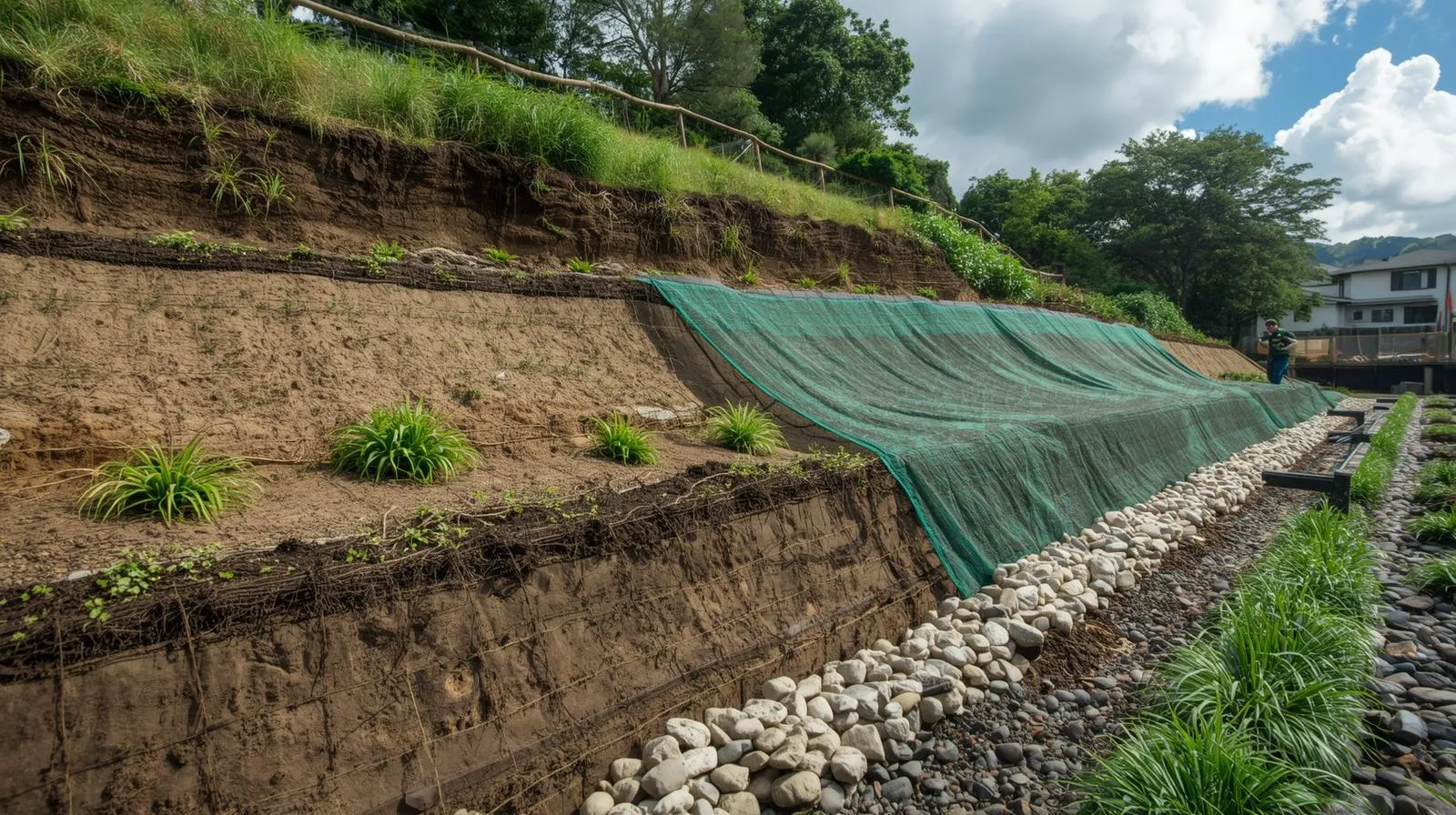
Erosion Control Fabrics & Mats
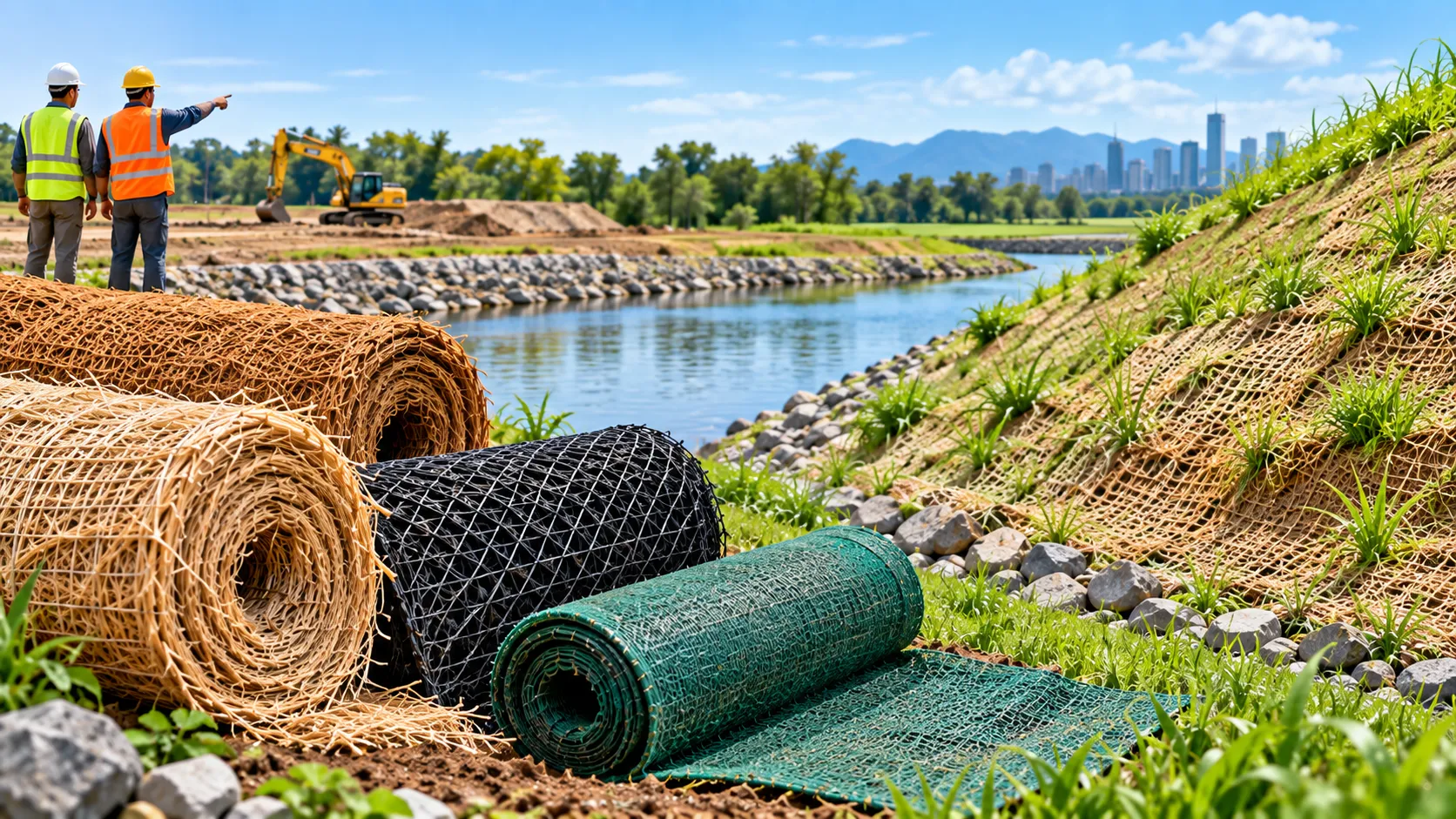
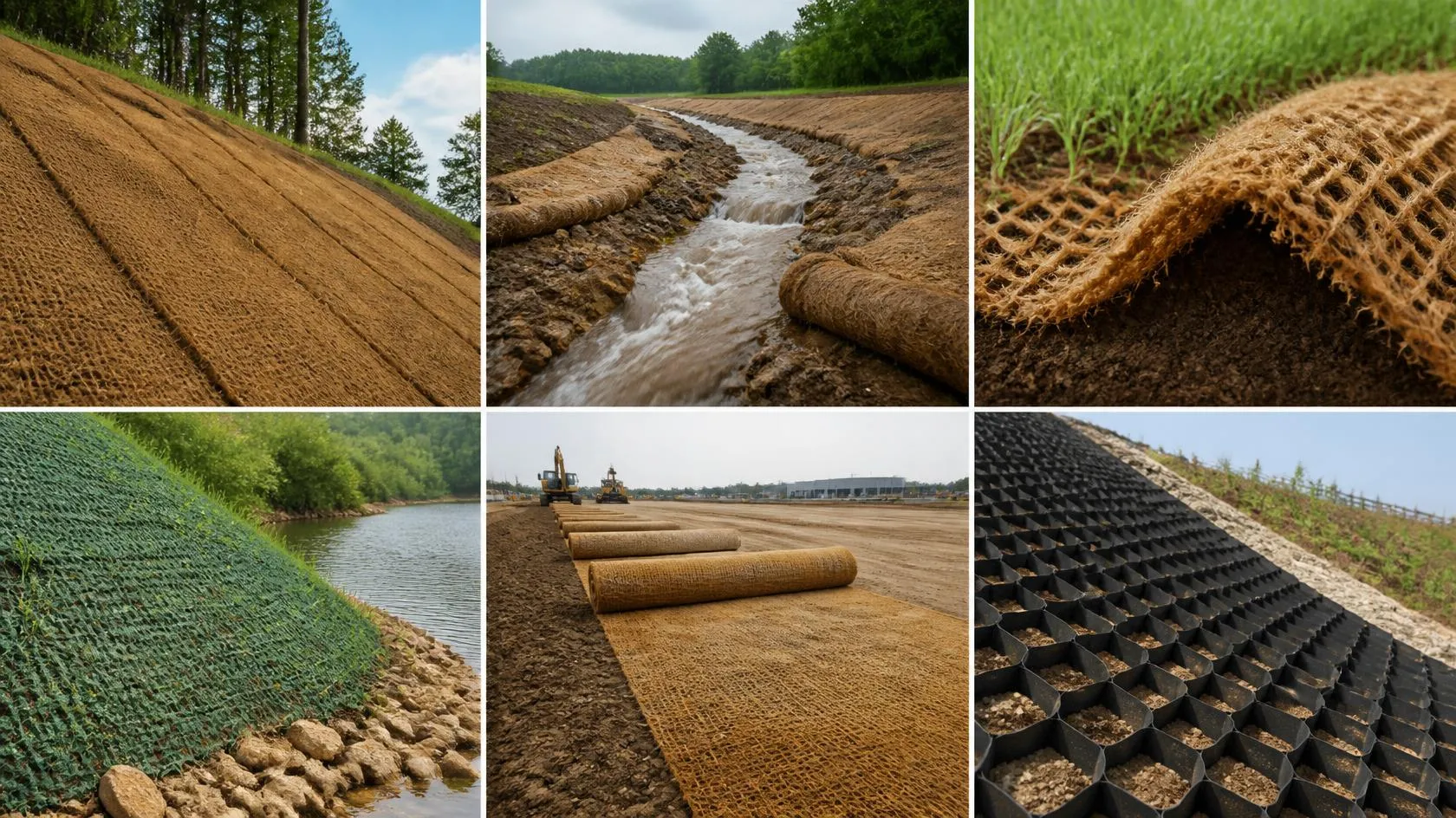
Our erosion control solutions provide reliable surface protection while supporting natural vegetation growth. From biodegradable natural fibers to durable synthetic mats, each solution is designed to help manage soil movement, reduce runoff, and promote stable ground conditions.
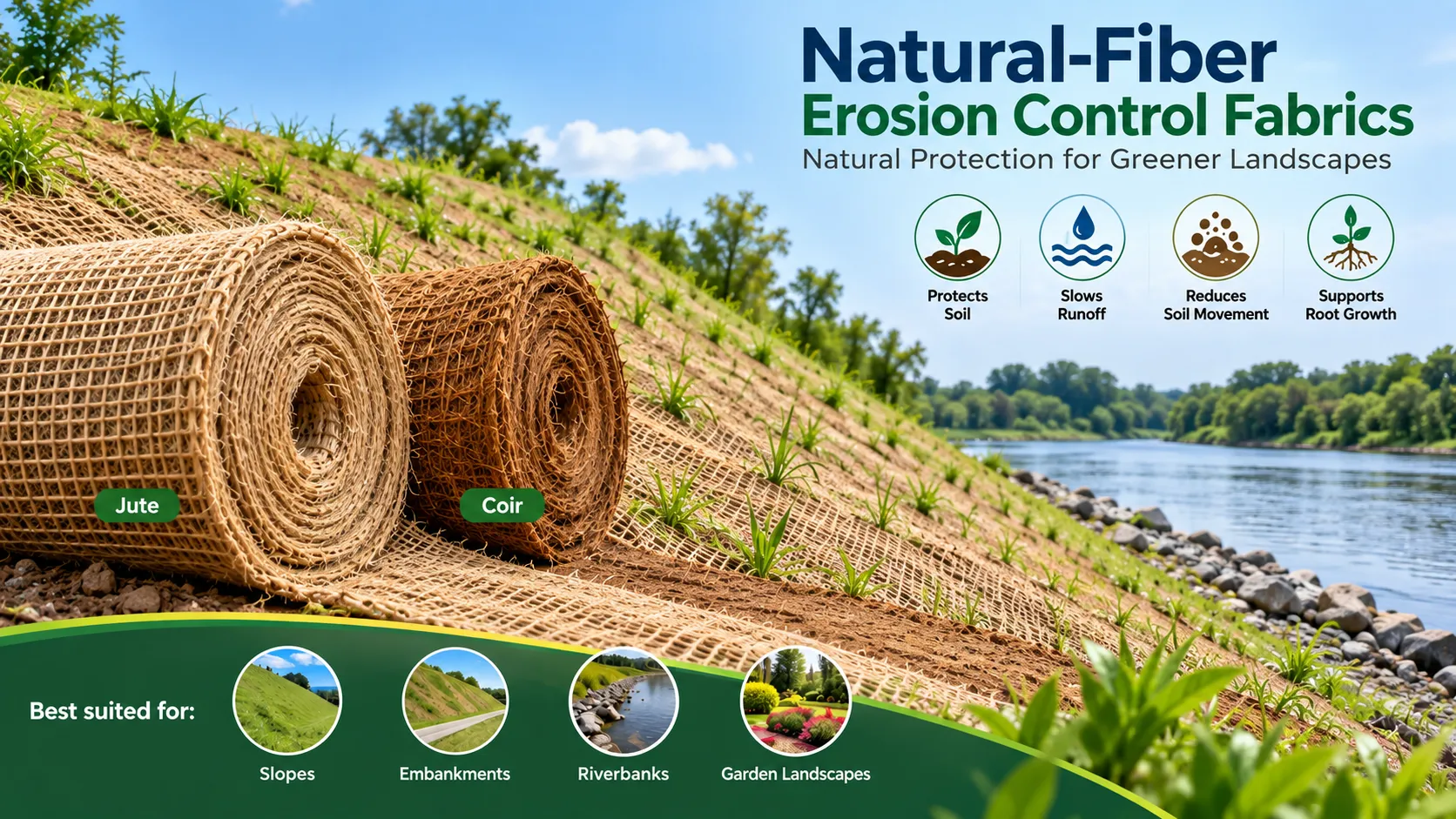
Best suited for: Slopes, embankments, riverbanks, garden landscapes, and areas where vegetation establishment is a priority.
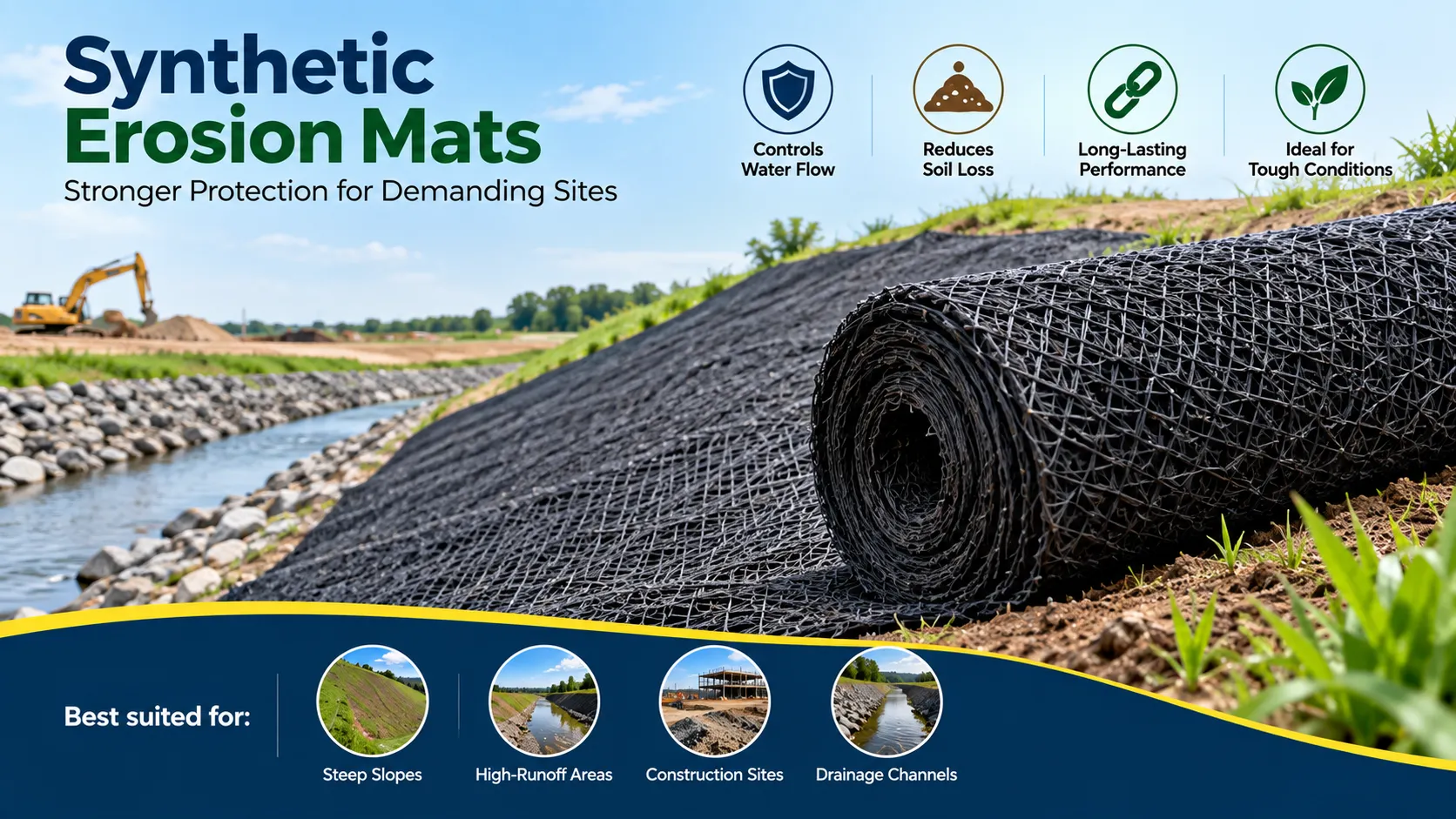
Best suited for: Steep slopes, high-runoff areas, construction sites, drainage channels, and commercial landscaping projects requiring extended service life.
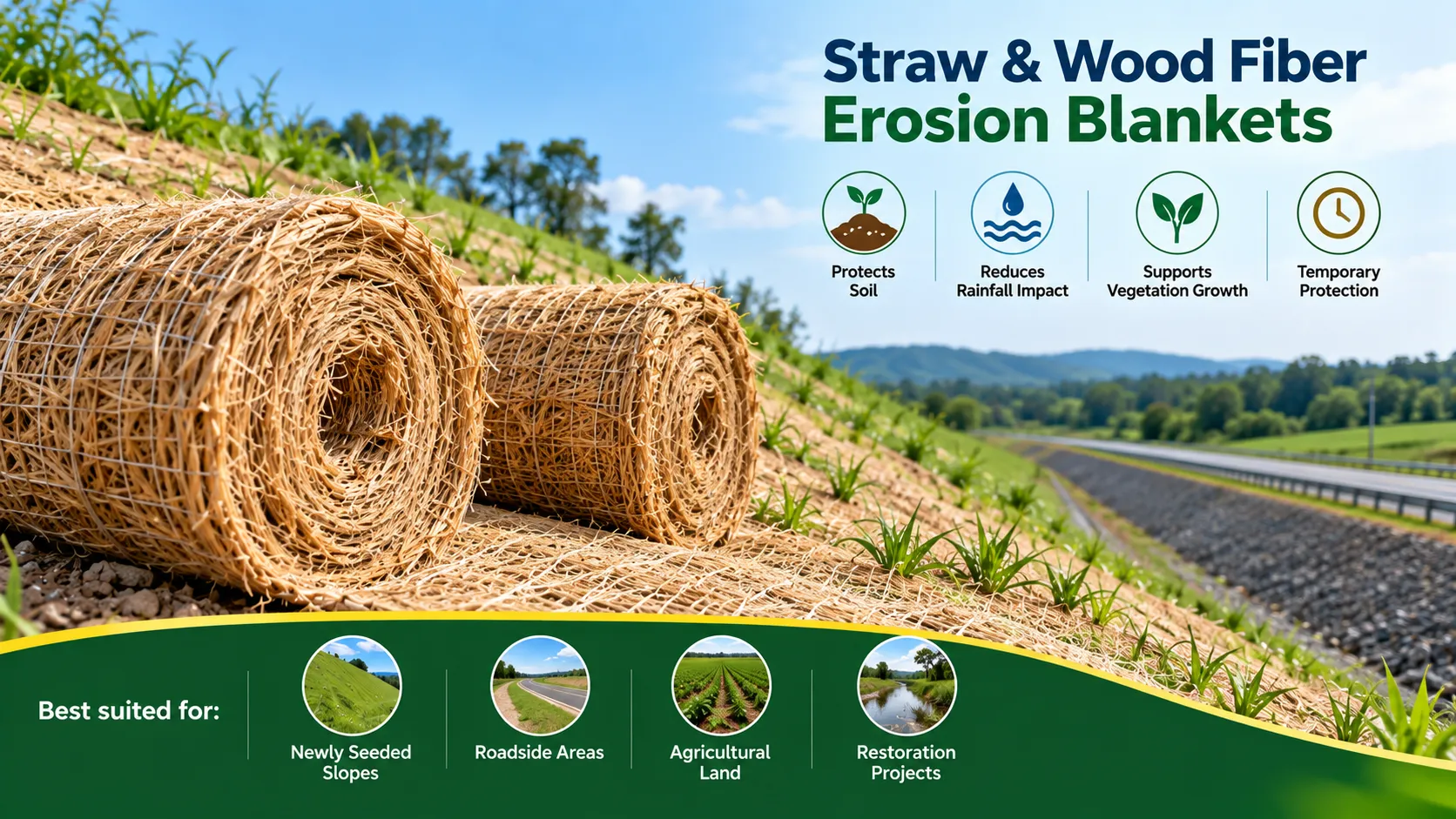
Best suited for: Newly seeded slopes, roadside areas, agricultural land, restoration projects, and commercial landscapes requiring short-term ground protection.
Why Choose LandscapingGlobe™
Direct B2B Access for Erosion Control Procurement
LandscapingGlobe™ helps contractors, landscape professionals, agricultural operators, and infrastructure teams identify suitable erosion control materials for project requirements. Bring your material specifications, site needs, and required quantities together in one focused B2B marketplace built for commercial purchasing.
Erosion Control Features & Benefits
Built to Protect Soil, Support Vegetation, and Improve Site Stability
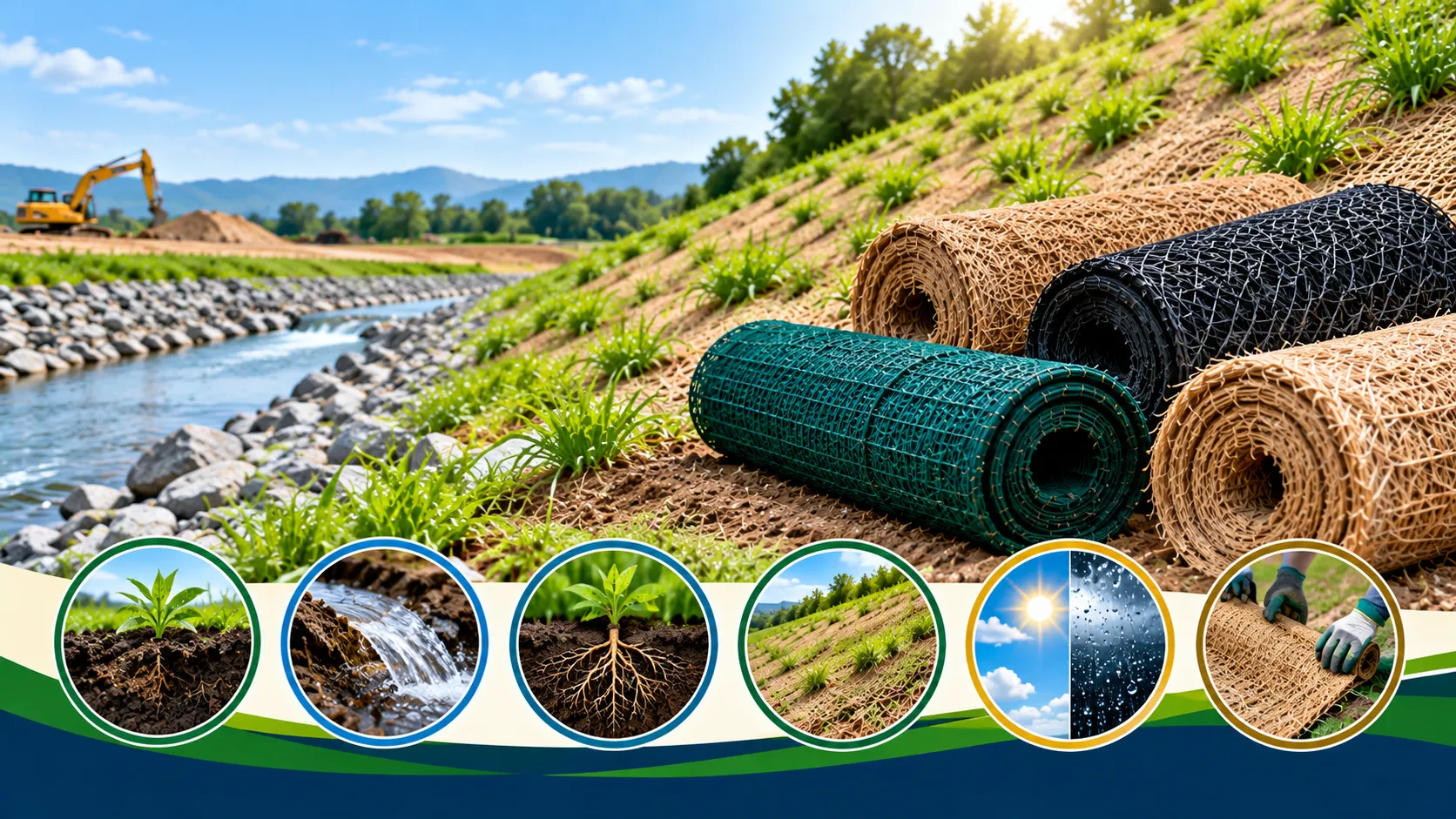
Erosion control materials provide a protective surface that helps manage water movement, reduce soil displacement, and create better conditions for vegetation to establish. The right material can improve ground performance across slopes, landscapes, agricultural areas, and construction environments.
Protect Exposed Ground Before Soil Loss Becomes a Larger Project Issue
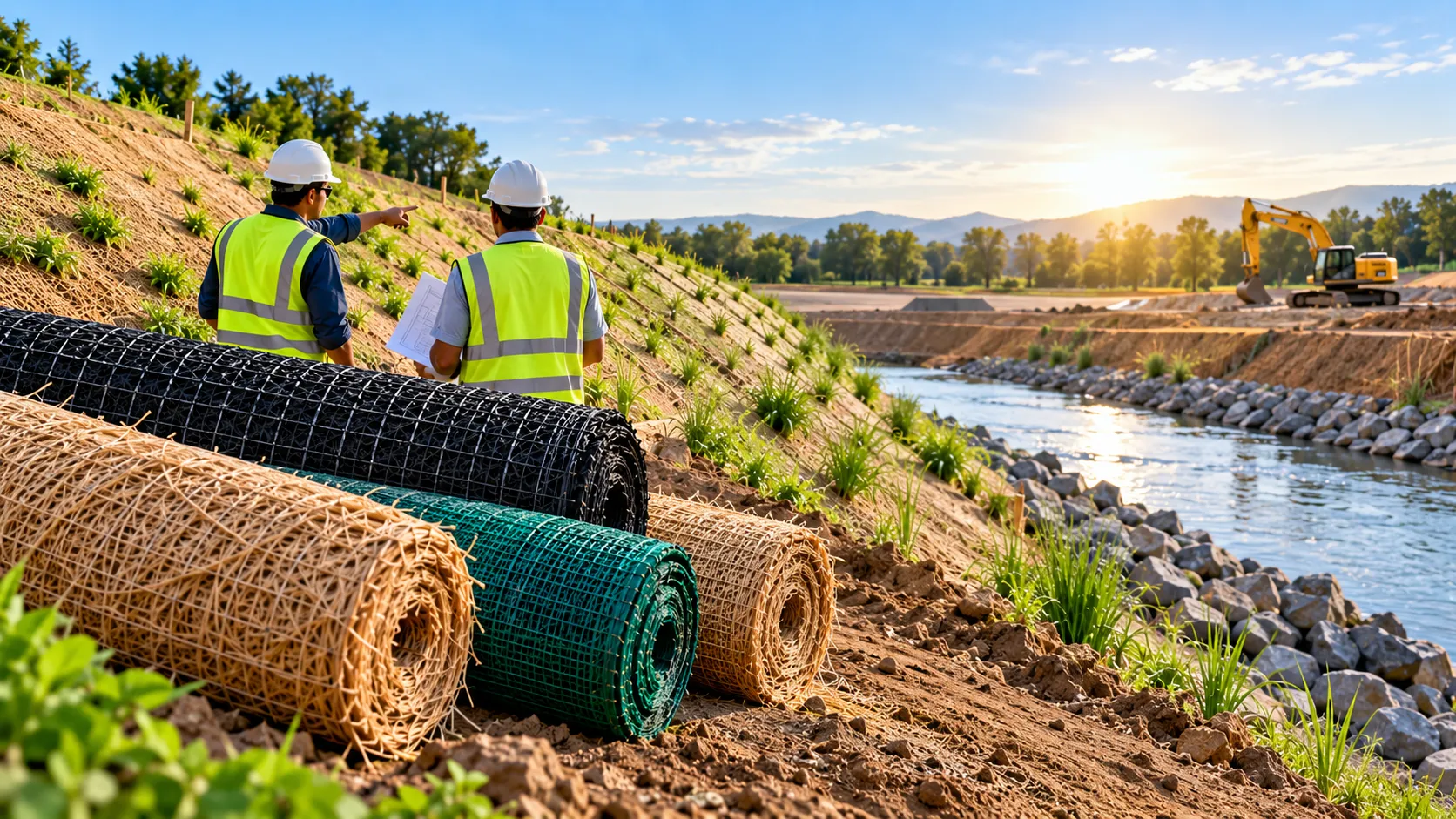
Erosion can affect slopes, embankments, planting areas, drainage zones, and construction sites when rainfall and surface water move unprotected soil. LandscapingGlobe™ helps commercial teams identify erosion control materials suited to the site, application, and required level of protection.
From natural-fiber fabrics and biodegradable blankets to reinforced synthetic mats and geotextile solutions, project teams can review material options based on ground conditions, vegetation requirements, expected water flow, and project scale.
Provide the required specifications and quantities to connect with relevant industry providers and evaluate suitable materials for professional soil protection applications.
Protection Designed Around Real Site Conditions
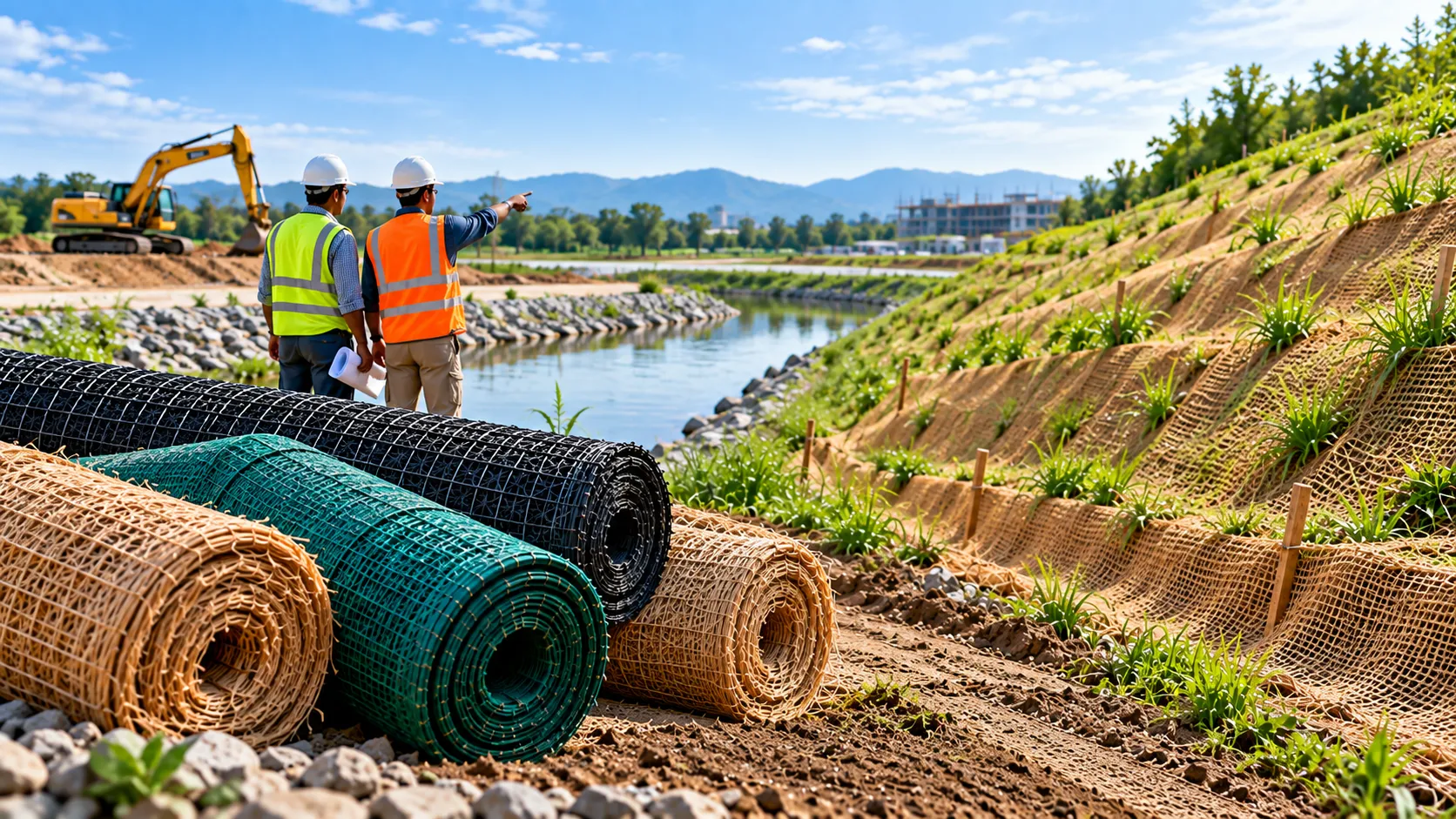
Erosion control requirements vary with slope conditions, water movement, soil exposure, and the type of project being managed. LandscapingGlobe™ supports commercial landscape contractors, agricultural operators, construction teams, and infrastructure planners in identifying suitable fabrics, blankets, mats, and stabilization materials for specific site needs. Whether protecting a newly planted slope, reinforcing an exposed embankment, managing runoff around a construction area, or supporting vegetation on agricultural land, the right material helps maintain ground integrity while fitting the practical demands of the project.
Select the Right Protection for Your Project
The right erosion control material depends on the site, soil movement, water exposure, and expected project conditions. Consider these points when defining your material requirements:
- Slope Profile: Match the material to the angle and condition of the slope for dependable surface coverage.
- Water Movement: Consider rainfall, runoff speed, drainage paths, and areas exposed to concentrated water flow.
- Soil Condition: Select a suitable structure for loose, exposed, sandy, or easily displaced ground.
- Vegetation Plans: Choose materials that allow grass, plants, and groundcover to establish where revegetation is required.
- Project Duration: Use temporary blankets for short-term protection or more durable systems for extended site performance.
- Application Scale: Account for site area, installation requirements, material quantities, and commercial project demands.
Compare Erosion Control Materials by Project Requirement
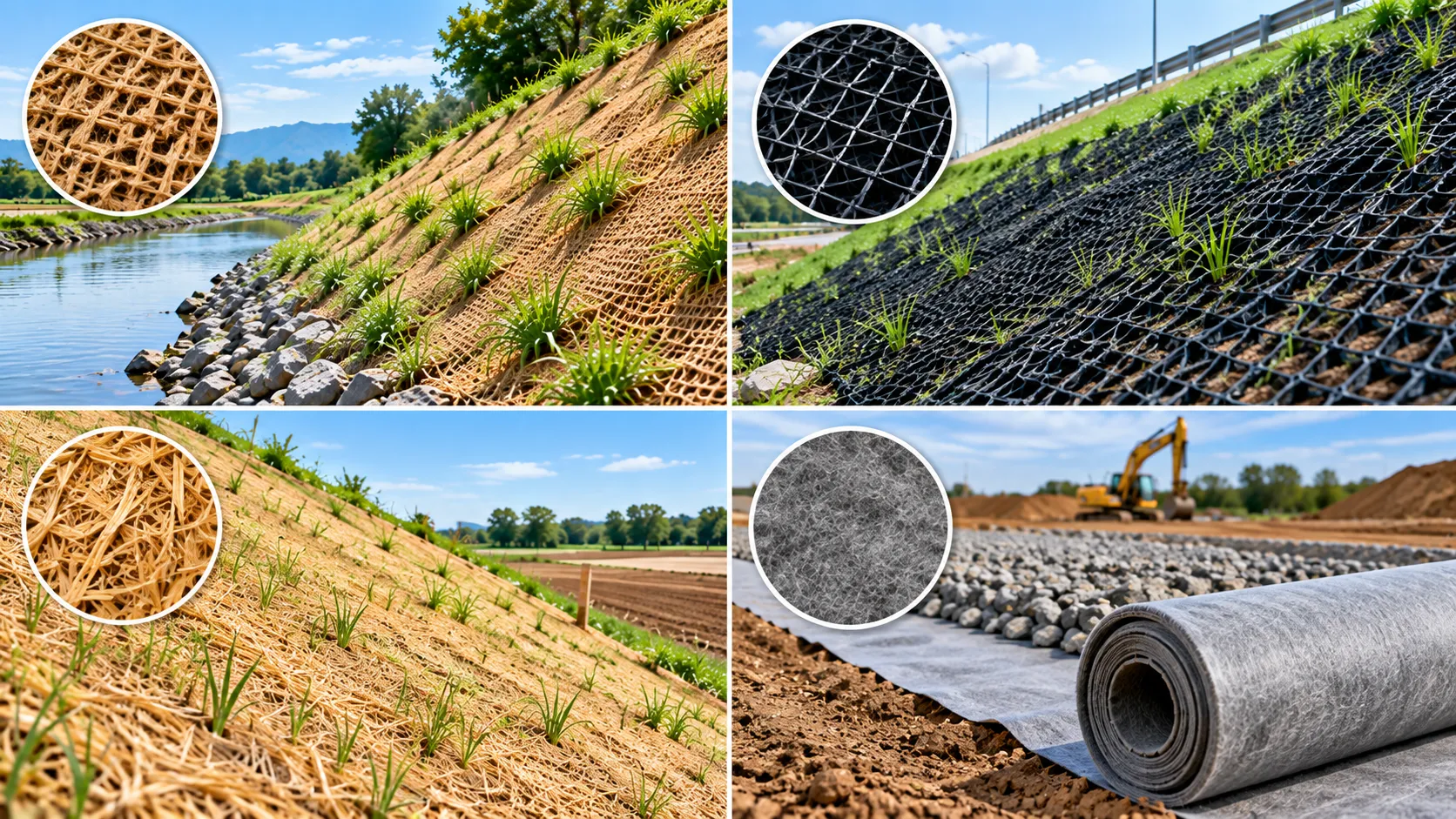
Different materials provide different levels of coverage, durability, and site support. Use the comparison below to identify the option that best matches the ground conditions and project requirements.
| Material Type | Primary Strength | Typical Service | Vegetation Support | Suitable Applications |
| Jute & Coir Fabrics | Natural soil coverage | Temporary to moderate | Excellent | Slopes, embankments, riverbanks |
| Synthetic Mats | High durability | Long-term | Good | Construction areas, steep slopes, drainage zones |
| Straw & Wood Fiber Blankets | Surface runoff protection | Short-term | Excellent | Seeding areas, restoration, agricultural sites |
| Geotextile Fabrics | Ground reinforcement | Long-term | Application dependent | Soil stabilization, infrastructure, commercial sites |
Built for Demanding Landscape & Infrastructure Projects
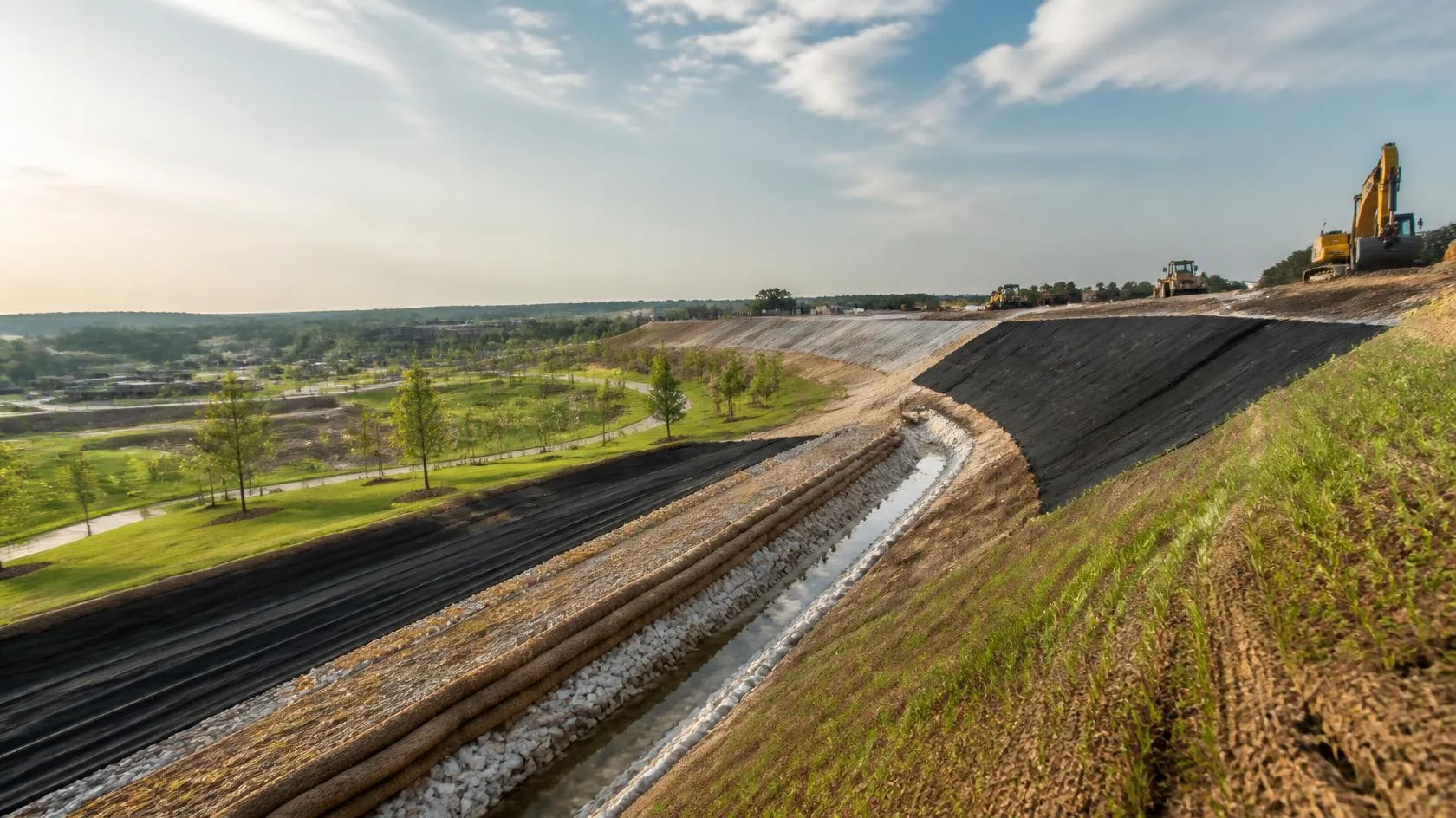
LandscapingGlobe connects commercial project teams with erosion control materials selected for practical site requirements, from exposed slopes and drainage areas to agricultural land, construction zones, and large-scale landscape developments. Review suitable material options, define project quantities and specifications, and move toward the right product for reliable ground protection and long-term site performance.
Plan Soil Protection Around Your Project Requirements
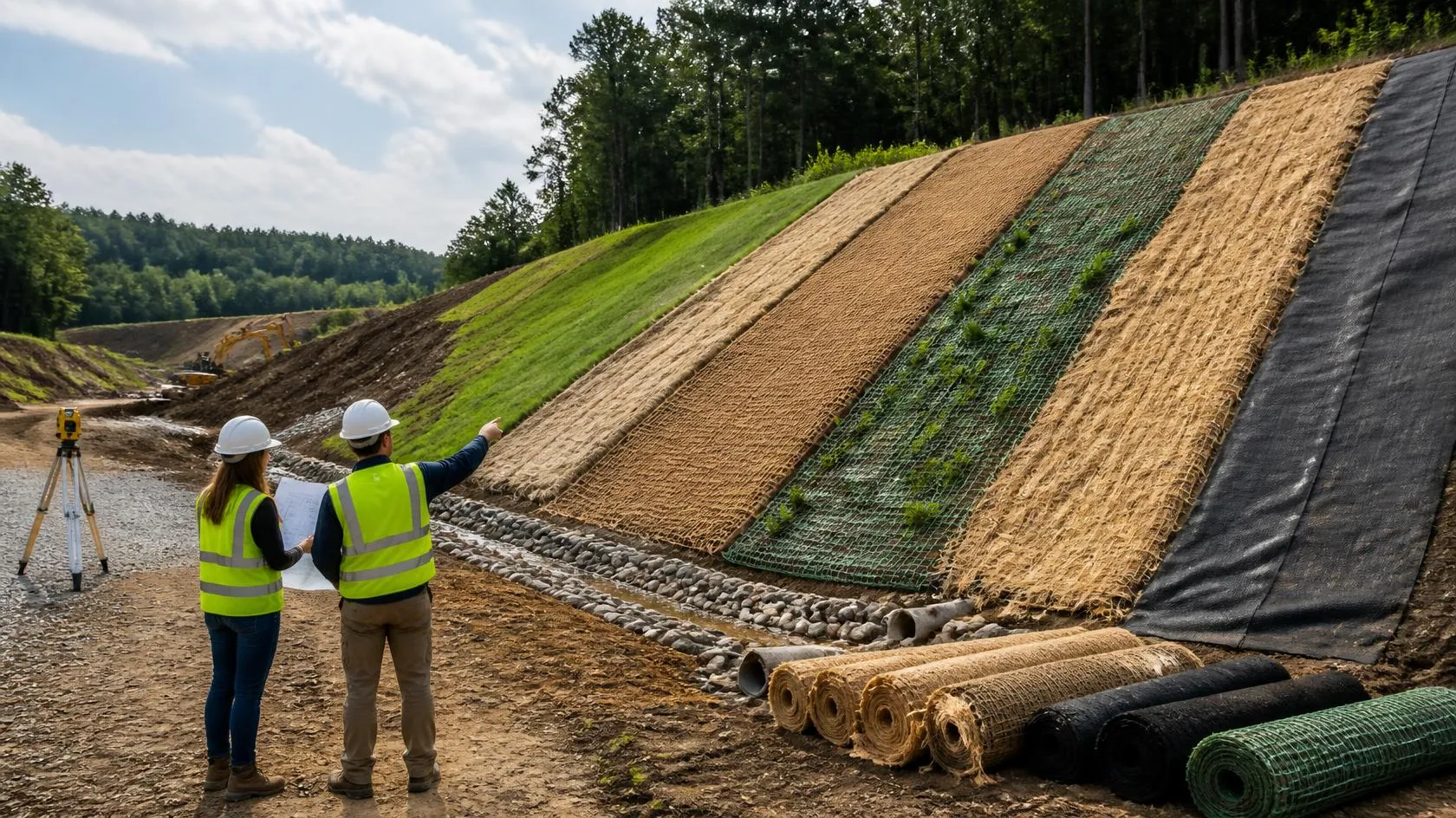
From commercial landscapes and agricultural operations to construction sites and infrastructure developments, erosion control must match the way water moves across the land and how the surface will be used. LandscapingGlobe™ helps project teams evaluate suitable materials by considering soil type, slope conditions, expected runoff, coverage area, vegetation plans, and required durability. This approach makes material selection more practical and helps teams specify the right protection for the conditions their projects will face.
Not Sure Which Erosion Control Material Fits Your Site?
LandscapingGlobe™ helps commercial teams narrow down suitable options by looking at the conditions that matter most—soil type, slope angle, runoff exposure, vegetation plans, project scale, and required service life. Define these requirements clearly to evaluate jute and coir fabrics, synthetic mats, fiber blankets, or geotextile solutions that align with the performance needs of your site.
Where Erosion Control Materials Fit Best
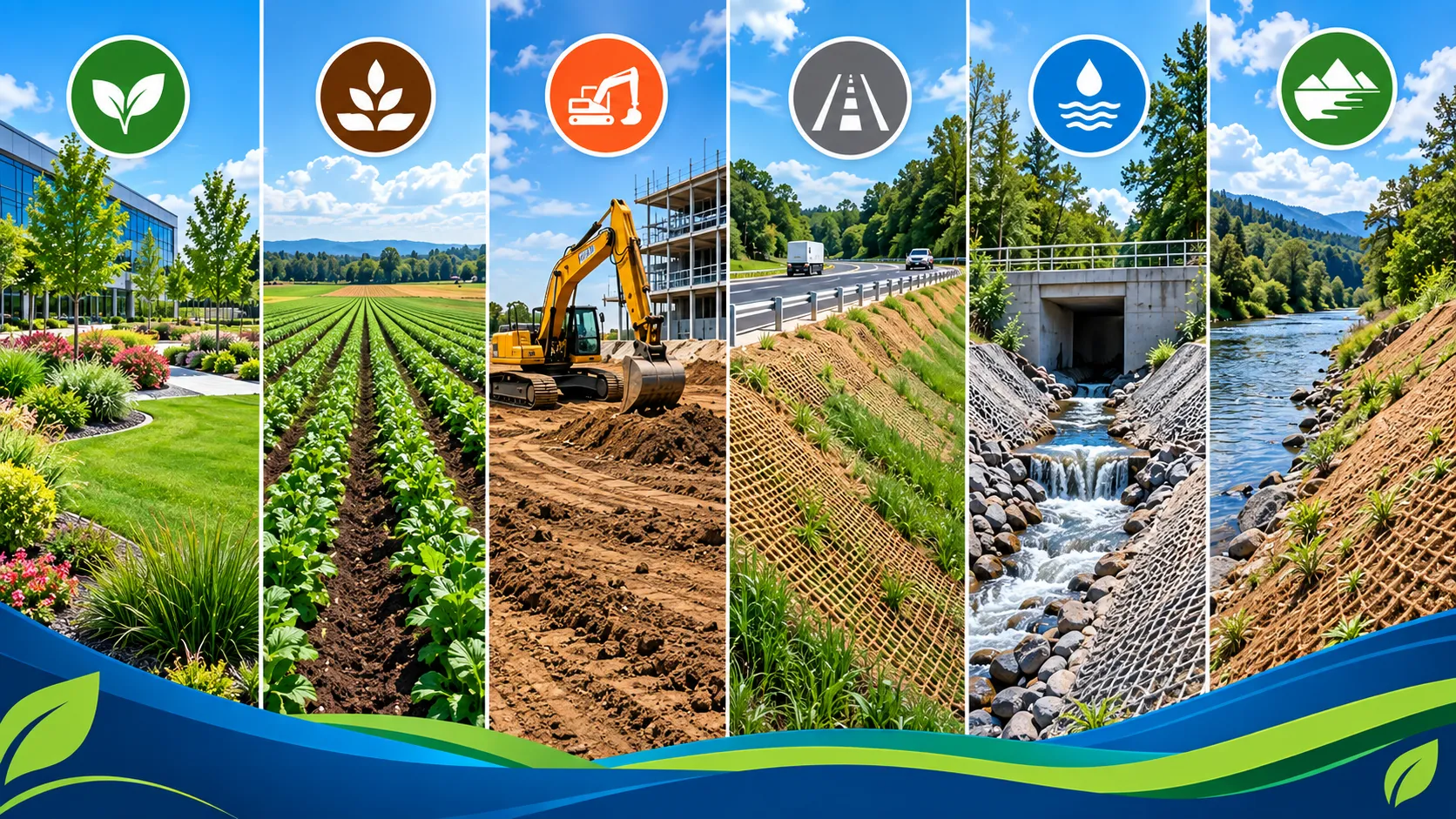
Different sites require different forms of soil protection. LandscapingGlobe™ supports commercial teams in selecting materials according to ground conditions, water exposure, vegetation plans, and project requirements.
Commercial Landscapes
Protect planting areas, landscaped slopes, open grounds, and exposed soil around large property developments where surface runoff can affect finished landscapes.
Agricultural Land
Help retain productive soil across cultivated areas, nursery grounds, and plant production sites exposed to rainfall and surface water movement.
Construction Sites
Cover disturbed ground, newly formed slopes, and exposed areas during site development to reduce soil movement before permanent landscaping or structural work is completed.
Roadside Embankments
Provide surface protection for roadside slopes and embankments where flowing water can gradually weaken exposed ground.
Drainage Areas
Use suitable mats, fabrics, or blankets around drainage paths where controlled surface flow is important for maintaining surrounding soil.
Riverbanks & Slopes
Apply appropriate erosion control materials to vulnerable banks and sloped areas where repeated water exposure can accelerate soil loss and affect ground stability.
Prepare the Right Material Plan Before Installation
A well-defined erosion control plan helps commercial teams select materials that match actual site conditions. Before finalizing product requirements, review the following project details:
- Site Conditions: Identify exposed ground, unstable areas, slope sections, and locations affected by surface water.
- Material Performance: Decide whether the project requires temporary coverage, extended protection, or stronger reinforcement.
- Coverage Requirements: Calculate the surface area and determine the quantity needed for complete and consistent installation.
- Water Exposure: Review rainfall patterns, drainage paths, runoff intensity, and concentrated flow across the site.
- Vegetation Requirements: Consider whether the protected area will be seeded or planted after material placement.
- Installation Method: Account for anchoring, ground preparation, access, and the practical requirements of the installation team.
Clear specifications make it easier to evaluate suitable products and communicate project requirements to qualified providers.
For larger commercial sites, accurate quantities and performance requirements also help keep procurement aligned with the project schedule and intended site use.
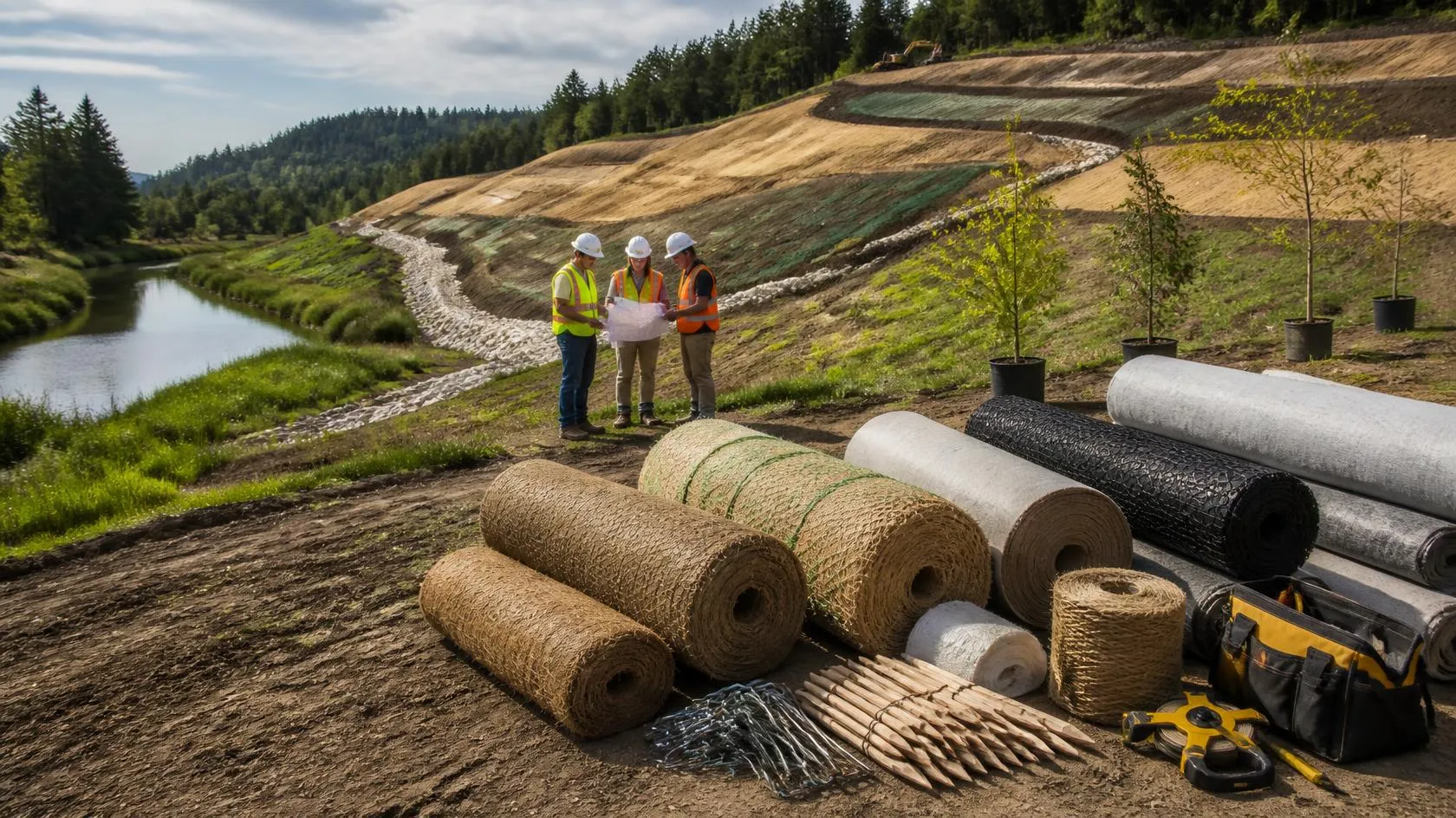
What Project Teams Say About Their Experience

- Hannah Collins, Landscape Project Manager
“Finding suitable erosion control materials for a large landscape project became much easier. The product categories helped us narrow down the right options based on our site conditions and project requirements.”

- George Bennett, Horticulture Operations Lead
“We needed materials that could protect exposed soil while allowing new vegetation to establish. The range of fabrics and blankets made it easier to evaluate options for our planting areas.”

- Albert, Construction Procurement Manager
“Our project required dependable protection for several exposed slopes. Having commercial material options in one place helped our team define quantities and compare products for the installation schedule.”

- Emma Thompson, Agricultural Project Director
“We were looking for practical erosion protection across production areas affected by runoff. The clear product information helped us identify materials suited to our soil and vegetation requirements.”
Ready to Protect Your Project From Soil Loss?
Define your site conditions, material requirements, project quantities, and performance needs, then connect with relevant erosion control providers for commercial-grade fabrics, mats, blankets, and stabilization solutions.
Frequently Asked Questions
Clear Answers for Better Erosion Control Decisions
Understand the practical details that can affect material selection, project planning, installation, and commercial purchasing.